Johannesburg: A Guide to Accommodation, Attractions and Practical Planning
Johannesburg, or Jo’burg as it is affectionately known, sits at the heart of Gauteng and serves as a dynamic gateway to South Africa’s urban culture, history and contemporary nightlife. When planning a stay, consider staying in strategically positioned neighbourhoods that suit your rhythm—from buzzy business districts to leafy residential pockets with easy access to rail and road transport. A well-chosen base can cut travel time and amplify your experience, whether you are there for business, culture, or weekend exploration.
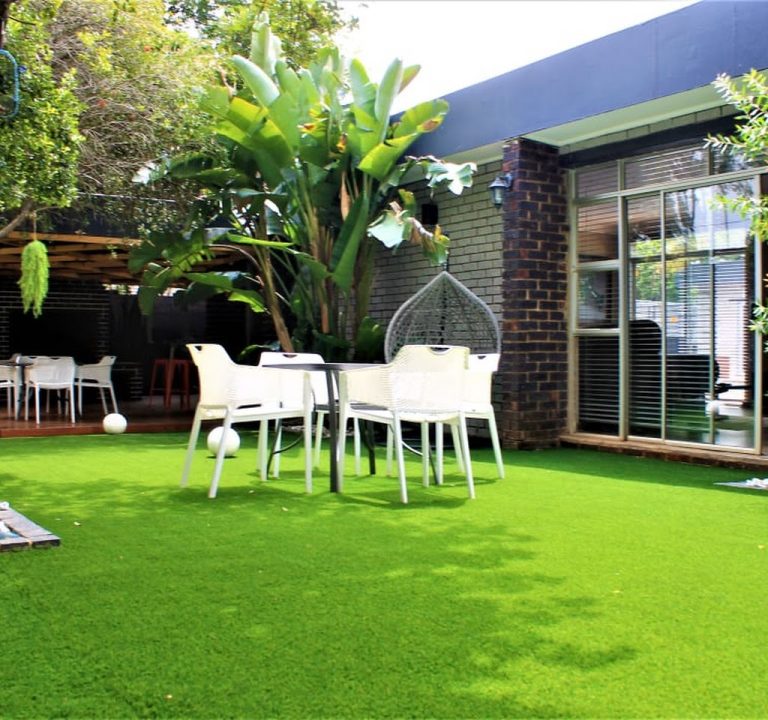
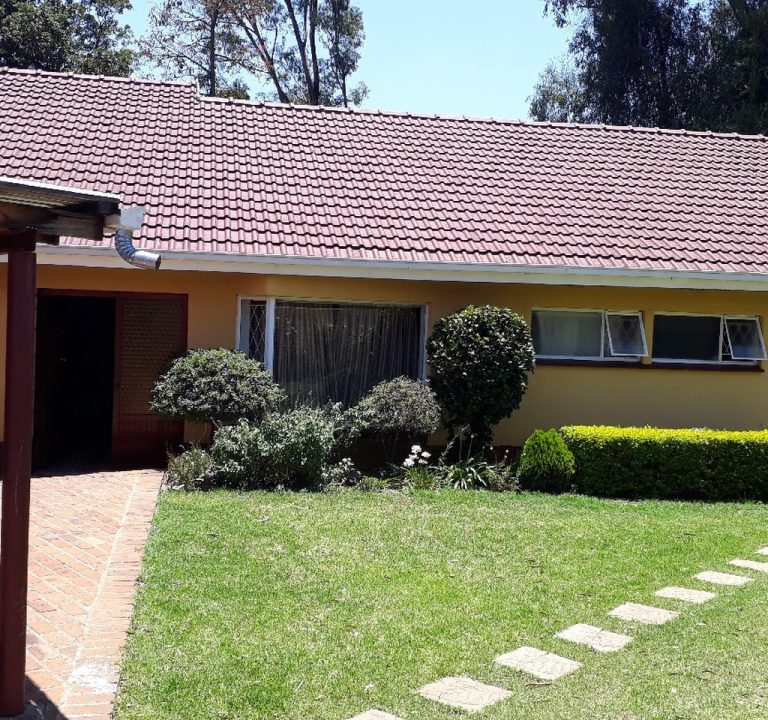
Accommodation options in Johannesburg range from boutique hotels and stylish guesthouses to self‑catering apartments and modern city hotels. In central districts, you’ll find contemporary properties with compact amenities geared toward comfort and convenience: reliable Wi‑Fi, on-site dining, secure parking or easy street access, and helpful front desk services. Suburban and precinct-based stays often offer more space and a calmer atmosphere, with garden areas, kitchen facilities and in-block coffee shops that create a home-from-home feel after busy days in the city. For travellers seeking a blend of character and modern convenience, properties such as boutique apartments and converted townhouses in well‑connected areas can provide a thoughtful balance of style and practicality.
When choosing where to stay, think about what matters most for your itinerary. If you plan early-morning meetings or late-night city wanderings, proximity to transport hubs—especially the Gautrain, national roads, and major arterials—can make a big difference. For those chasing cultural experiences, staying in or near central districts gives you immediate access to galleries, markets, live music venues and diverse dining. If you prefer a quieter backdrop or family-friendly facilities, a leafy suburb with easy access to parks and shopping centres may suit you better.
Typical amenities to look for include secure parking, 24-hour reception or concierge services, reliable hot water, well-equipped kitchens or kitchenette areas, and workspace-friendly desks or dining zones. On-site eateries, fitness rooms, and laundry facilities can be particularly convenient for longer stays. Check reviews for clarity on noise levels, especially if you are staying near nightlife hubs or busy main streets. Accessible rooms or staff assistance for mobility needs are worth confirming if relevant to your plans.
Transport in Johannesburg is best planned with flexibility in mind. The city’s layout means travel times can vary with traffic, particularly during peak hours. Many properties offer parking space or valet options, while others are within easy reach of taxi services, ride-hailing apps or convenient bus routes. If you are exploring well beyond the central districts, a vehicle can be advantageous, but you will benefit from staying in a location with straightforward access to major routes and public transport links.
The best time to visit Johannesburg is generally in the South African autumn and spring months (March to May and September to November), when the weather is comfortable and there are fewer crowds at popular attractions. Winter (June to August) brings cooler temperatures and the potential for dry, clear days — ideal for city photography and museum visits. Summer can be warm and occasionally humid, with the possibility of afternoon showers; plan outdoor activities for the mornings or late afternoons when possible. Always check long-range weather forecasts as you prepare your itinerary, and have a flexible plan to accommodate sudden rain or heatwaves.
Beyond the room, a range of experiences can enrich a Johannesburg stay. Historical and cultural highlights abound, from museums and former political landmarks to vibrant markets and street-art precincts. The city’s dining scene spans elegant fine dining, modern bistro-style eateries, and casual eateries offering diverse South African and international cuisine. When planning meals out, you’ll encounter a mix of polished hotel restaurants, modern casual venues, and urban hubs where locals gather for coffee, light bites and late-night fare. It’s worth exploring neighbourhoods that blend dining with art, music or design spaces to get a real feel for the city’s creative energy.
For visitors staying in well‑located accommodation such as a boutique apartment or a family-friendly guesthouse, nearby attractions and experiences can be a walk or a short ride away. Options often include guided neighbourhood walks, markets offering crafts and local foods, and galleries that showcase contemporary South African artists. In many areas, you’ll also find green spaces, strong street life, and panoramic views from city escarpments and vantage points. If you are researching places to stay or specific experiences, look for accommodation providers who offer guest services that help you plan day trips, advise on safe routes, and share up-to-date tips on local transport and dining.
Case in point, a charming boutique stay such as Apartment at 34 Columbine can provide a stylish base within easy reach of central attractions. It blends contemporary design with practical amenities, and its location may offer straightforward access to transport links and nearby dining options. More information can be found on its website: http://34columbine.co.za/.
To help you plan your itinerary, consider this practical checklist:
- Define your priorities: proximity to transport, cultural sites, or dining neighbourhoods.
- Check for flexible cancellation policies and up-to-date guest reviews.
- Match the accommodation type to your trip length and group size.
- Verify essential amenities (Wi‑Fi, kitchen facilities, secure parking, quieter rooms).
- Map out a rough daily plan, leaving room for spontaneous discoveries in distinct districts such as central business areas, creative quarters and upmarket suburbs.
Johannesburg rewards curious travellers with a mix of modern comforts and vibrant city life. With thoughtful planning, your stay can be as convenient as it is memorable, leaving time to discover both well-known sights and the city’s lesser-visited corners.