Accommodation and Activities in Johannesburg: Where to Stay and What to Do
Johannesburg, or Jo’burg as many locals call it, is a sprawling city of neighbourhoods, culture, and dynamic dining scenes. Whether you’re visiting for business, a cultural break, or a family holiday, choosing the right base can shape your whole experience. The city offers a range of options from boutique guest houses and comfortable BnBs to modern hotels and serviced apartments. A well-planned stay helps you balance time between iconic sights, intricate street art, and the inviting pace of South African hospitality.
When selecting accommodation, consider the area and how easy it is to access your planned activities. The northern suburbs, such as Sandton and Rosebank, are popular for easy highway links and a concentration of business centres, shopping, and leafy avenues. In the inner city, Braamfontein, Newtown, and Maboneng offer blend of vibrant street life, galleries, and culinary scenes, often with a modern, design-forward vibe. For a more soulful experience, neighbourhoods like Melville and Parkhurst offer walkable streets, independent cafés, and a village feel. If your focus is guided tours and cultural insight, staying near Soweto can provide deeper context and the chance to visit historic sites and markets with a knowledgeable local guide.
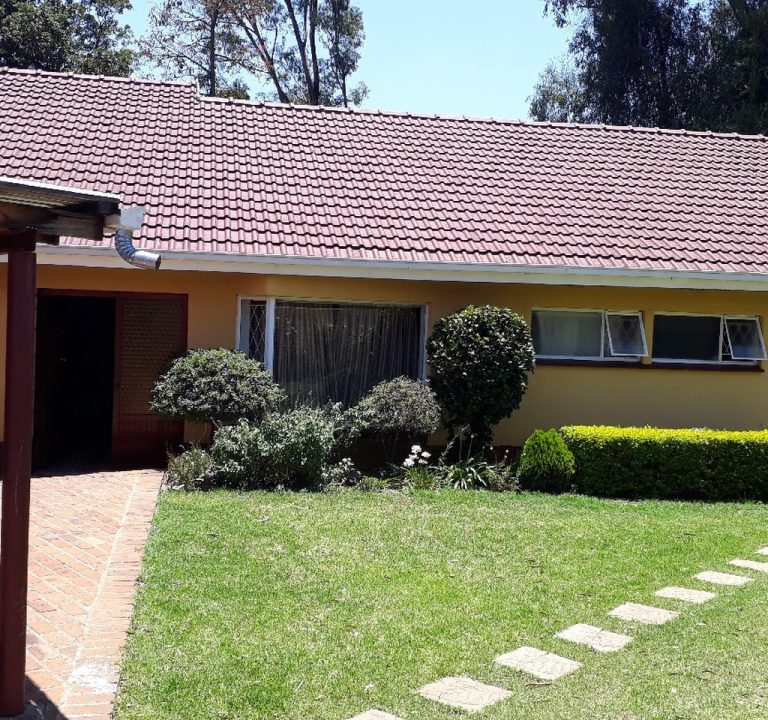
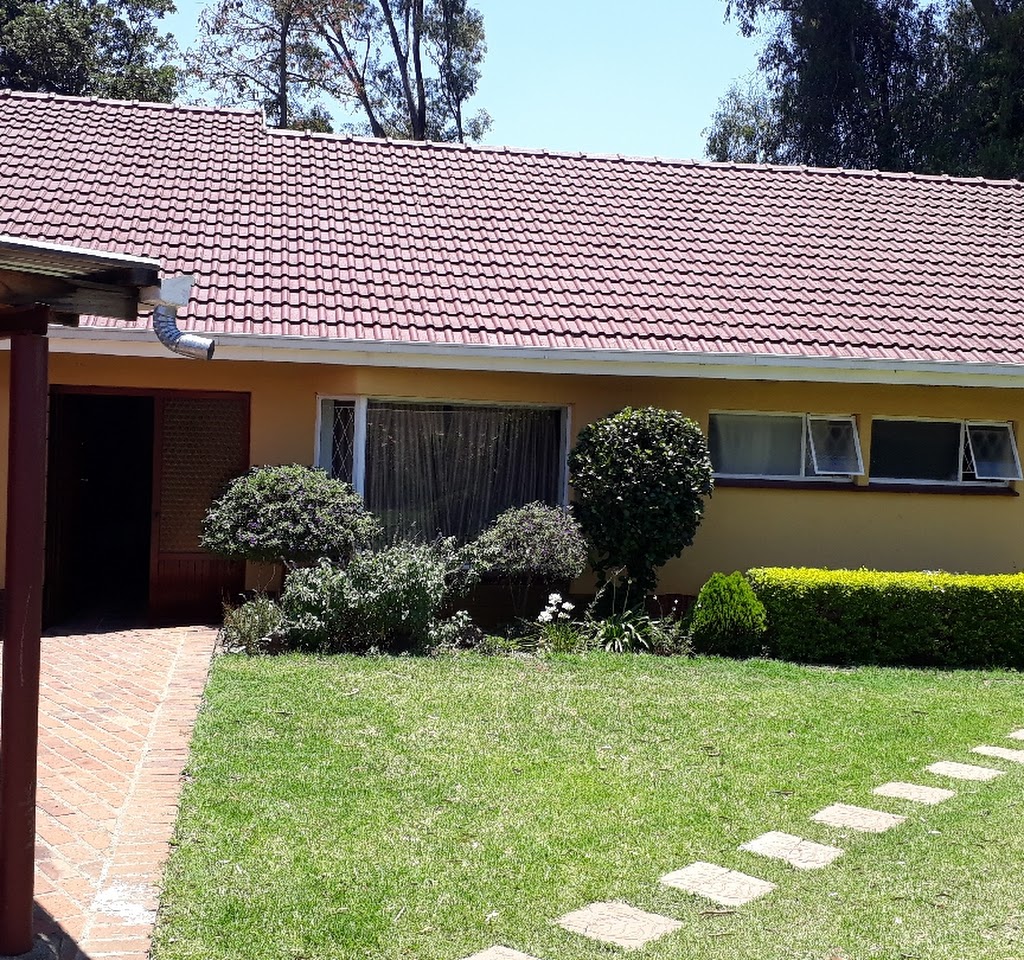
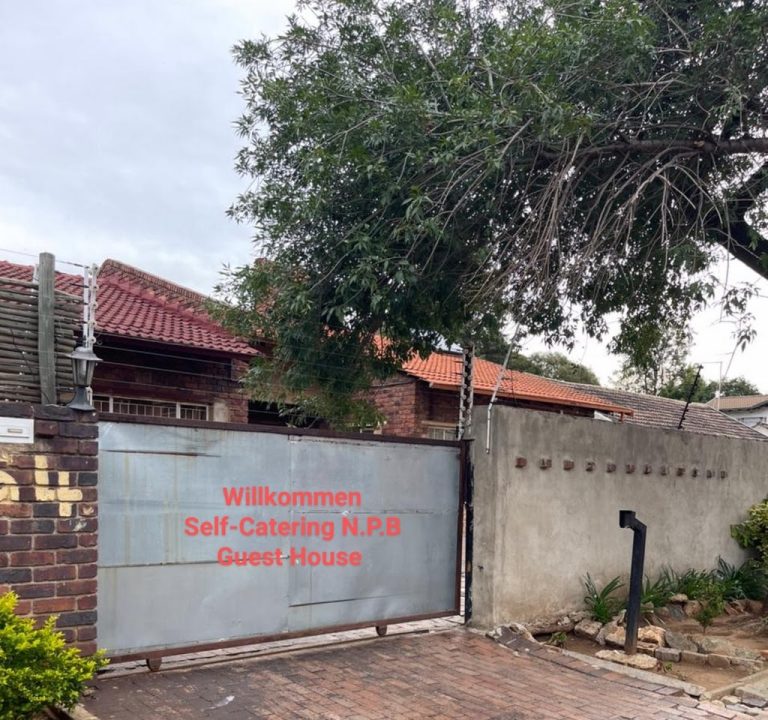
Typical qualities to look for when booking include secure parking or easy access to safe public transport, reliable wi‑fi, breakfast options, and friendly, responsive hosts or front desk staff. Many guest houses in Johannesburg emphasise hospitality and personal recommendations, including help with planning day trips, arranging airport transfers, or booking guided tours. Check recent guest reviews for consistency on cleanliness, noise levels, and the responsiveness of staff. A good guest house should clearly state policies on breakfast service, housekeeping frequency, and any exceptional requirements such as accessibility features or pet policies, if relevant to your plans.
Transport in Johannesburg can be practical and efficient if planned ahead. The Gautrain rail network is a convenient option for fast trips between the airport and northern business hubs, while authorised taxis or reputable rideshare services help navigate between neighbourhoods. If you’re renting a car, factor in city traffic and parking arrangements at your chosen property, especially in busier districts. Some areas maintain a pedestrian-friendly vibe with cafés and markets within a short walk, whereas others may feel more car-centric. When planning day trips or evenings out, check whether your accommodation offers shuttle services or can suggest reliable local operators for guided experiences.
Amenities often reflect the price tier and the character of the accommodation. Expect essentials such as en-suite bathrooms, daily or mid-week housekeeping, secure entry or 24-hour reception, and guest-use lounges or communal kitchens in some guest houses. Breakfast formats range from continental self-serve setups to cooked-to-order options. Free or paid parking, air conditioning (important in Jo’burg’s warm months), and guest access to shared spaces like gardens or rooftop terraces can elevate a stay. A number of properties also provide practical extras such as luggage storage, late check-in arrangements, and personalised city maps or travel tips.
Best time to visit Johannesburg balances climate with cultural events. The city enjoys warm summers with afternoon thunderstorms and cooler, sunny winters. Spring and autumn tend to offer pleasant temperatures for outdoor exploration. If your schedule allows, align your trip with local markets, food fairs, or street culture events, which can provide a window into daily life beyond the tourist sites. While Johannesburg can be enjoyed year-round, planning around major events can enhance your experience and provide opportunities for special dining or live performances.
Top experiences to consider include exploring historic districts and museums that trace South Africa’s diverse past, discovering contemporary art in vibrant galleries, and sampling a spectrum of cuisines in casual bistros and fine‑dining venues. For a broader sense of the city, guided walking tours or street-food strolls can reveal the neighbourhood fabric, while day trips to nearby nature reserves or river reserves offer a restorative contrast to city life. If you enjoy markets, you’ll find similar vitality in local craft stalls and makers’ markets, which showcase artisans and designers alongside food vendors.
Practical tips for a smooth stay:
- Book accommodation with clear safety features and staff available to assist after hours.
- Choose a base with reliable transport links or easy access to rideshare services.
- Check for breakfast options and the flexibility to accommodate dietary preferences.
- Factor in travel times between districts to avoid long commutes during peak traffic.
- Pack sensible footwear for urban exploring and comfortable clothing for warm days.
- Consult up-to-date local guidance on safety and areas to avoid after dark, as with any major city.
- Look for hosts or guest houses that provide tailored tips on restaurants, markets, and day trips.
If you are seeking a personal, guest-house experience that blends convenience with a welcoming atmosphere, consider properties like Peace and Lovely BnB, a guest house-style option that emphasises hospitality and local insight. Their website offers a view of available rooms and services: Peace and Lovely BnB. For a broader spectrum of Johannesburg stays, the city’s diverse neighbourhoods provide options spanning stylish rooms to more intimate, home-from-home experiences.