Where to Stay in Johannesburg and How to Plan a Visitor‑Friendly Stay
Johannesburg, or Jo’burg as locals often call it, offers a rich mix of neighbourhoods, from leafy suburbs to bustling city hubs. When planning a stay, consider what you want to get from the trip: a cultural immersion, easy access to sights, or a quiet base with comfortable amenities. Guest houses, B&Bs, and lodge‑style accommodations can provide personalised service, a sense of local character, and convenient access to key areas around Gauteng.
Areas to consider include the city centre for museums, markets and nightlife, Sandton for business hubs and upscale dining, Rosebank for galleries and markets, and Melville or Maboneng for a bohemian, walkable atmosphere with plenty of eateries. For a more relaxed vibe and easy access to nature, the northern suburbs offer leafy streets and tranquil lodging near parks and golf courses. When choosing a place to stay, think about proximity to your planned activities, as traffic in Johannesburg can be heavy at peak times, and some attractions are easier to reach from certain districts.
Accommodation options span guest houses, boutique hotels, lodges, and self‑catering stays. A guest house like FM GUEST LODGE, hosted by a property with a personal touch, can provide a more intimate experience than a larger hotel. Look for guest houses that clearly outline what is included in the rate, such as breakfast, on‑site parking, and house rules. A reliable example of a guest house can be found at FM GUEST LODGE, which offers a sense of local character and an approachable base for exploring the city.
What to look for when booking includes the following: comfortable beds with clean linens, reliable Wi‑Fi, and a private or en‑suite bathroom if convenience matters to you. Check whether the property provides self‑service options for breakfast or if a cooked breakfast is part of the offer. Clarify parking arrangements, security features, and access to common spaces. If you plan to drive, ensure you have easy highway or tram/metro access and convenient Uber or taxi options for evenings out. It’s useful to know if the guest house or hotel offers 24‑hour reception or staff availability for late arrivals and local tips.
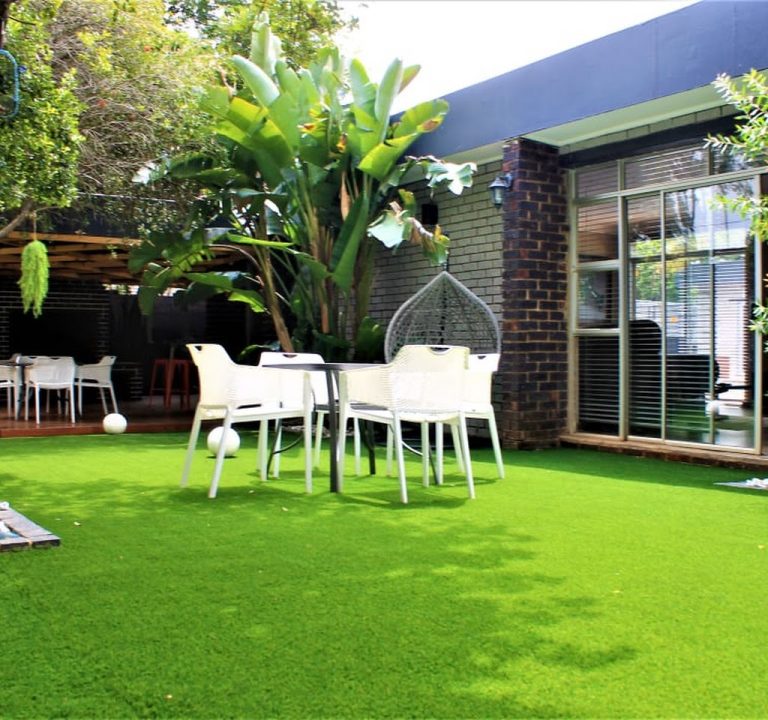
Typical amenities to expect in well‑regarded Johannesburg accommodations include air conditioning or fans for warmer months, good heating for cooler evenings, a well‑equipped kitchenette or tea‑and‑coffee facilities, and a considerate noise policy given urban surroundings. Some properties provide a shaded outdoor seating area or a small garden, which can be a welcome retreat after a day of sightseeing. If you rely on electronic devices, a power‑friendly stay with reliable charging points and USB outlets can make a big difference during longer trips.
Transport is a practical consideration in Johannesburg. If you’re using a car, ensure the property offers secure parking or a nearby reputable parking option. If you’ll be relying on ridesharing or taxis, check how easy it is to access major roads, airports, and transport hubs from your base. For visitors preferring public transport, look for locations within a reasonable walk of major bus routes or Gautrain stations, and consider a stay in areas with a mix of dining and retail options to minimise the need for long trips after dark.
The best time to visit Johannesburg depends on your plans. The city enjoys a temperate climate with warm summers and cooler winters. Outdoor attractions and parks are particularly enjoyable during spring and autumn when temperatures are comfortable for day trips and walking tours. If you’re visiting for concerts, markets, or special events, align your stay with the local calendars and city happenings to maximise your experience.
Practical tips for a smooth stay:
- Book with a clear cancellation policy in case plans change, and check what is included in the rate (breakfast, parking, access to facilities).
- Pack layers for varying temperatures, especially if you’ll be out in the evenings or in air‑conditioned venues.
- Plan day trips to surrounding attractions thoughtfully to avoid peak traffic times.
- Use reputable transport options and keep a note of nearby emergency services or healthcare facilities in case of need.
- Take advantage of guest‑house hosts or front desk staff for local recommendations on restaurants, markets, and experiences.
Beyond where you stay, Johannesburg offers a variety of experiences that can complement your accommodation choice. Historic districts, markets offering crafts and fresh produce, and galleries can be enjoyed in a strollable radius from many central stays. Dining experiences range from classic South African steakhouses to modern cafes and eateries with a fusion twist, often located within short rides of popular areas. For those seeking guided insights, consider arranging a local guide or small‑group tour to learn about the city’s history, architecture, and diverse neighbourhoods, while supporting community‑mivated ventures.
In short, planning a stay in Johannesburg involves selecting a neighbourhood that aligns with your priorities, understanding what your chosen accommodation includes, and preparing for traffic and distance considerations. With thoughtful choices, a stay in a guest house or boutique lodge can provide a comfortable, authentic base from which to explore Gauteng’s capital, its attractions, and its vibrant culinary scene.