Johannesburg: Where to stay and what to do for a well-planned visit
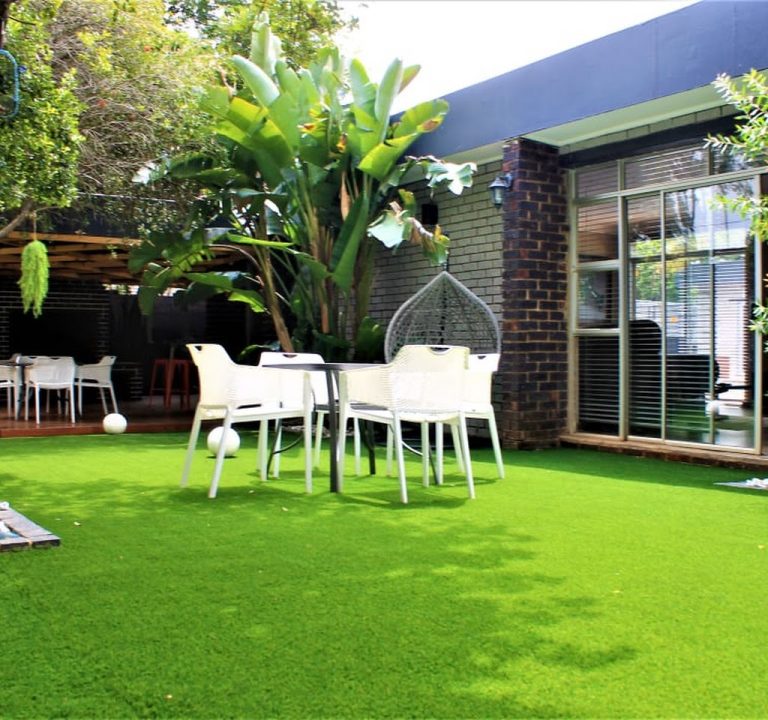
Johannesburg, or Jo’burg as it is often called, is a city of contrasts and opportunity. When planning a stay in Gauteng’s capital, you’ll find a range of accommodation that suits different budgets and travel styles, from boutique guest houses to modern hotels and serviced apartments. One option to consider is Nikitas Towers, a guest house that exemplifies the intimate, attentive lodging many visitors seek in the city. For a comfortable base, think about your preferred area, the pace you want, and how you’ll get around to make the most of your time in the region.
Areas to consider:
- Sandton: Known for business and high-end shopping, with secure guest houses and contemporary hotels. It’s convenient for conferences, the metro rail connections, and Safer, well-lit streets in the evenings.
- Rosebank and Melrose: Friendly neighbourhoods with easy access to the Gautrain, a range of dining options, and markets. These areas balance buzz with walkable streets and calmer evenings.
- Braamfontein and Maboneng: The artsy, creative corridors of the city. Expect boutique stays, vibrant street life, and proximity to galleries, studios, and a diverse restaurant scene.
- Soweto and the southern townships: For culture-rich experiences and guided tours that trace South Africa’s history and daily life. Consider staying in a guest house with hosted experiences or breakfast guidance to start your day right.
- Central Johannesburg (the City Centre) and nearby districts: Good for explorers who want to be close to museums, markets, and historic sites, but consider safety, hotel security, and the availability of reliable transport late in the evening.
What to look for when booking:
- Security and parking: Confirm on-site parking or safe street parking options, and check how the property manages access control in the evenings.
- Type of accommodation: Decide between a traditional B&B with breakfast, a guest house offering homely touches, or a self-catering apartment for more flexibility.
- Amenities: Reliable Wi-Fi, air conditioning or heating, white-lurnished rooms, ensuite bathrooms, laundry facilities, and, if needed, a pool or comfortable communal spaces.
- Layout and accessibility: Room sizes, stair access, lift availability, and nearby taxi or rideshare options if walking at night isn’t ideal.
- Transport links: In Johannesburg, proximity to a train station or bus routes, and the ease of arranging Uber or taxi transfers to major attractions.
- Nearby dining and markets: A self-contained stay with easy access to cafes, casual eateries, and local markets helps you choose when to dine out and what to sample.
Typical amenities and how they help you plan:
- Breakfast options: A choice between a continental and a cooked breakfast can set you up for long days exploring the city.
- Secure access and safe neighbourhoods: Look for well-lit entrances, reliable reception hours, and staff who can assist with local directions and safety tips.
- Comfort and cleanliness: En-suite bathrooms, fresh linen, and daily housekeeping where offered can make a considerable difference to your experience.
- Wi‑Fi and workspaces: If you need to stay connected or catch up on plans between sightseeing, strong Wi‑Fi and a convenient work area are valuable.
- Laundry and self-catering: Laundry services or in-room facilities can be a practical boon for longer stays or families.
Getting around and best time to visit:
The city is well served by a network of taxis, rideshares, and the Gautrain, which links to Pretoria and the O.R. Tambo International Airport with high-speed and reliable connections. Planning your days around traffic patterns—morning commute hours are busy, and late afternoons can be congested—helps you optimise sight-seeing time. The best time to visit Johannesburg is during its dry season, from late autumn to early winter (May to September), when days are generally sunny and cool, perfect for outdoor markets and city walks. The summer months (October to March) bring rain showers and lush landscapes, which can be lovely but may require more flexible scheduling for outdoor activities.
What to do and see in general terms:
Johannesburg offers a tapestry of cultural, historical, and contemporary attractions. You can explore world-class museums that tell the story of the country’s past, take guided tours of townships to understand daily life and resilience, and enjoy the city’s dynamic art and street-food scenes. A day or half-day excursion to nearby townships offers insight into local music, crafts, and cuisine. For a broader sense of South Africa’s history, visiting places that commemorate democratic milestones provides context to the nation’s evolution. In the city core, you might wander through markets and precincts that celebrate design, crafts, and innovative cuisine, while suburbs such as Sandton and Rosebank offer high-end dining and modern galleries in addition to comfortable stay options.
Food and dining considerations:
Johannesburg’s dining scene is diverse and reflects its multicultural population. Expect everything from traditional favourite dishes to contemporary and globally inspired menus. In business-focused districts, you’ll find well-curated, casual to fine dining venues, while neighbourhood pockets offer cosy cafés, bakeries, and street-food-style options. If you enjoy markets, there are regular sessions where you can sample a range of foods and beverages in a lively, social setting. When booking dining experiences as part of your stay, consider proximity to your guest house and sensible timing to avoid peak traffic, especially if going out after a long day of sightseeing.
Practical planning tips:
- Book in advance for popular periods and larger events, then re-confirm a few days before arrival.
- Ask hosts or reception for bespoke itineraries or reliable local guides who specialise in safe, insightful experiences.
- Pack with the climate in mind: layers for cooler evenings, comfortable walking shoes, and sun protection for daytime explorations.
- Keep essential information accessible, including transit routes, addresses, and a map outlining the areas you plan to visit.
With thoughtful planning, Johannesburg can be a comfortable, engaging gateway to Gauteng and beyond. A well-chosen base, like a guest house in a suitable neighbourhood, makes it easy to balance restful mornings with vibrant city days and a taste of South Africa’s rich hospitality and culture.