Johannesburg: Where to stay, what to do, and how to plan your visit
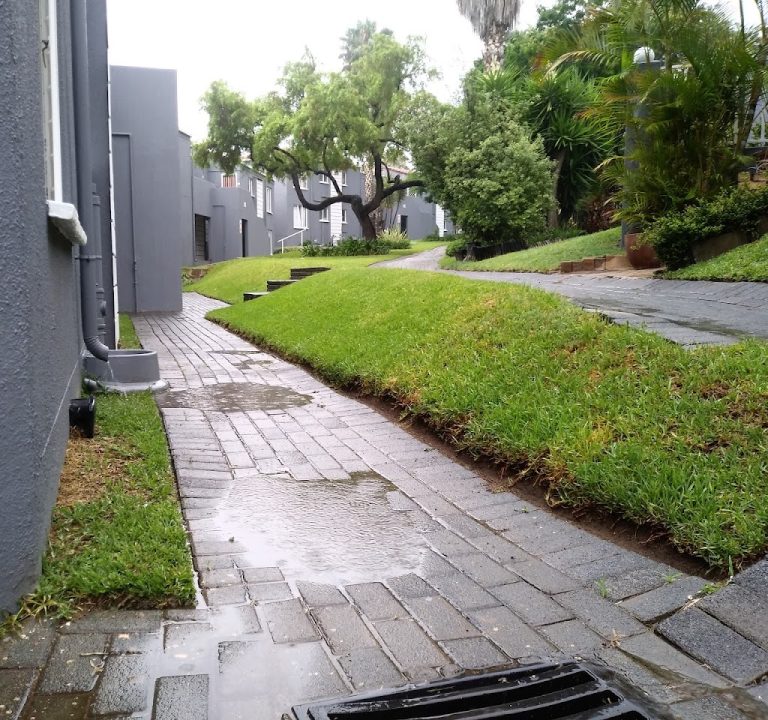
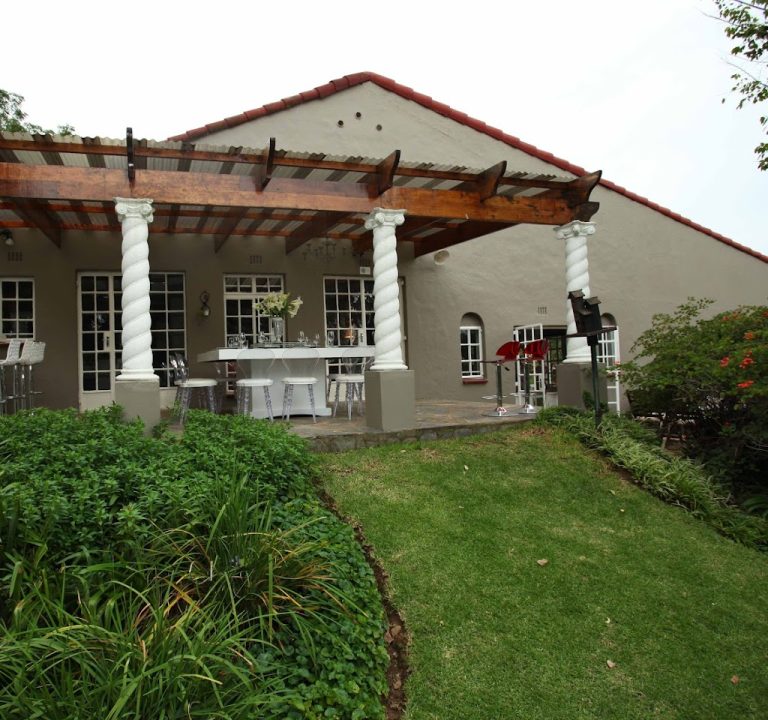
Johannesburg, or Jo’burg as it is affectionately known, offers a diverse mix of self-catering stays, boutique guesthouses and modern city apartments that suit a range of itineraries. When planning a stay, consider the city’s geography: the northern suburbs tend to be quieter and more family-friendly, the central areas are the cultural heartbeat with easy access to museums and markets, and the southern townships and surrounding towns offer authentic experiences of daily life and vibrant street culture. For a self-catering option such as Jozi Apartments Radiokop, the choice of neighbourhood can shape daily routines, from morning coffee runs to evening strolls and easy commutes to attractions or business districts.
Accommodation in Johannesburg typically spans stylish aparthotels, self-catering flats, and guesthouses. Look for features that match your needs: a well-equipped kitchen or kitchenette, reliable Wi‑Fi, secure parking, on-site laundry, and a flexible check-in process. Many properties in the area also advertise convenient access to public transport links or on-site shuttle options. When booking, read the listing carefully for load-shedding resilience (the city experiences planned electricity outages from time to time) and the availability of a generator or inverter. If you plan to work remotely or need long stays, ask about desk space and charging facilities in common areas or bedrooms.
Key areas to consider include:
- The northern suburbs and quieter hinterland: often leafy, with residential streets and easy car access to the freeway network, making day trips to attractions or shopping centres straightforward.
- Neighbourhoods near the city centre: ideal for visitors who want to walk to galleries, markets, theatres and restaurants. These areas can be vibrant by day and evening, with an abundance of cafés and casual dining options close by.
- Business and shopping districts: convenient for travellers who prioritise proximity to malls, conference venues and major transport hubs, including rail connections and major road arteries.
- Historic and local culture-focused zones: good for guests who wish to explore on foot or by guided rides, learning about the city’s past and its contemporary culture, arts and culinary scenes.
Typical amenities to expect in well-equipped units include a fully equipped kitchen or kitchenette, comfortable living spaces, bedroom configurations to suit couples, families or travelling groups, storage solutions, and secure building access. Some properties offer extras such as a private patio or balcony, a small outdoor area, a pool, or a communal courtyard. For longer stays, look for laundry facilities, weekly cleaning options, and clear policies on housekeeping and linen changes. Transport-friendly features—ample parking, proximity to main roads, or easy access to ride-hailing services—will save time during your stay.
When planning transport, Johannesburg is well served by a road network and a modern rail link known as the Gautrain, which connects the city centre with nearby suburbs and suburbs beyond. Driving gives flexibility, but central areas can be busy and parking may be limited. If you rely on public transport, prioritise accommodation near reliable routes, or check if the property can assist with airport transfers or recommended taxi and rideshare options. For those who enjoy easy access to nature, a day trip to the surrounding nature reserves or palaeontological sites is possible with a car or organised tours.
The best time to visit Johannesburg depends on what you want from your stay. The city experiences a temperate climate with warm summers and cooler winters. Summer months are lively with outdoor markets, parks and cultural events, though occasional afternoon thunderstorms can occur. Winter is typically dry and mild, making it pleasant for city exploration and museum visits. If you are planning outdoor activities or guided tours, book in advance during peak seasons and consider midweek stays for a quieter experience in popular areas.
Practical tips to help you enjoy a smooth trip:
- Choose accommodation with good security features, clear entry procedures and a trusted neighbourhood context.
- Check booking details for self-catering provisions, including a reliable kitchen setup and grocery delivery options nearby.
- Factor in potential power outages by selecting properties with backup power options or generous kitchen amenities to minimise disruption.
- Plan logistics in advance for airport transfers, Gautrain connections or preferred rideshare arrangements, especially if you travel outside peak hours.
- Pack versatile clothing for a city with varied experiences, from urban sightseeing to outdoor markets and casual dining.
- Respect local safety guidelines and stay aware of your surroundings, particularly when exploring central areas after dark.
In terms of experiences, Johannesburg offers much more than its modern skyline. Visitors typically enjoy exploring a mix of museums, galleries, markets and street food venues, where it is possible to sample a range of South African cuisines, from traditional dishes to contemporary fusion, in casual, friendly settings. For an authentic flavour of the city, consider staying somewhere that is close to a cultural neighbourhood or a local market hub, which often provide a snapshot of daily life, music, and crafts in addition to dining options.
For visitors staying at a self-catering property such as Jozi Apartments Radiokop, the city presents a practical blend of convenience and discovery. With thoughtful planning, easy access to transport, and mindful selection of neighbourhoods, you can balance home comforts with the excitement of Johannesburg’s dynamic attractions and dining scenes. A well-chosen base allows you to shape a stay that feels both relaxed and engaging, enabling you to return each day to a comfortable space after a day of exploration.