Johannesburg: Where to stay and what to do in Gauteng
Johannesburg in Gauteng offers a mix of stylish B&Bs, guesthouses, lodges, and contemporary hotels, each with its own character. When planning a stay, consider the neighbourhoods that suit your interests and pace of travel. Central districts buzz with culture and dining, while hillside suburbs give a calmer base with easy access to sights. Whether you are seeking boutique charm, practical family accommodation, or a comfortable base for business, Johannesburg has options to fit many budgets and itineraries.
Accommodation choices range from intimate guesthouses and boutique lodges to modern hotels with business facilities. Many options include conveniences such as secure parking, free Wi‑Fi, breakfast, and on-site lounges or gardens. For self-catering needs, look for guesthouses or small apartments that offer kitchen facilities. If you value a quieter atmosphere with easy access to the city’s attractions, a well-situated guesthouse in a residential area can offer a more relaxed vibe while still being within reach of major sights.
When selecting where to stay, pay attention to the following features. Proximity to public transport or major roads can save travel time, especially if you plan day trips. Availability of reliable Wi‑Fi is essential for planning itineraries and staying connected. A secure parking option is helpful if you are renting a car. Breakfast offerings, flexible check-in times, and guest recommendations for local dining can enhance the stay. Cleanliness, friendly staff, and comfortable beds are, of course, fundamental. If you have mobility requirements, check access routes and elevator availability. For families, request information on room configurations and child-friendly facilities.
Popular areas to consider for a stay include the stylish northern suburbs, which provide a balance of safety, dining, and easy routes to attractions; the city centre and Braamfontein for a vibrant, walkable experience with cultural venues and nightlife; and the Maboneng Precinct and Rosebank for galleries, markets, and convenient transport links. Sandton is often a hub for business travellers and shopping, while Soweto offers a deeper glimpse into the region’s history and culture via guided tours and heritage sites. Each area presents a different pace and flavour of Johannesburg, so a short stay in more than one district can be rewarding if logistics allow.
Transport in Johannesburg is generally straightforward. The city is serviced by a railway network and a growing selection of ride-hailing options. The Gautrain connects Johannesburg to Pretoria and other key destinations, which is convenient for day trips. For flexible exploration, a car provides freedom to visit outer suburbs and attractions on your own timetable, though safe parking and road conditions should be considered. Taxis and ride-hailing services are widely available, but it’s wise to organise airport transfers or check with your accommodation on the best local options. If you prefer public transport, research routes and schedules in advance to avoid delays, particularly during peak traffic hours.
The best time to visit Johannesburg is generally during the dry winter months from May to August when daytime temperatures are comfortable and rainfall is limited. Spring and autumn can be mild and pleasant, though occasional showers are possible. Summer brings warmth and the possibility of thunderstorms, which can be part of the city’s energetic atmosphere. Regardless of the season, mornings and late afternoons are often ideal for exploring outdoor markets, gardens, and neighbourhood walks.
For a thoughtful stay, consider a property that offers personalised tips for exploring the city. Many guesthouses and lodges can tailor experiences, from cultural strolls and dining recommendations to self-guided architecture walks. Day trips to nearby areas, such as historical sites or markets, can be arranged or suggested by hosts, providing a practical way to extend your stay beyond the city centre.
While in town, plan a mix of attractions and experiences to balance culture, history, and modern life. Museums and historic sites offer context on South Africa’s past and present, while markets and precincts showcase contemporary design, fashion, and cuisine. In addition to sight-seeing, look for local eateries that reflect the city’s diverse culinary scene, ranging from casual cafes to more refined dining options. If you enjoy outdoor spaces, precincts and parks provide opportunities for strolls, coffee stops, and people-watching in a safe and welcoming environment.
Practical tips for visitors:
- Book a guesthouse or lodge with secure parking if you plan to drive.
- Check recent guest reviews for cleanliness, service, and accuracy of the listing description.
- Verify accessibility features if required, such as elevators or ground-floor rooms.
- Ask hosts for nearby dining recommendations and public transport options.
- Plan a light itinerary for the first day to acclimatise to the city pace and traffic patterns.
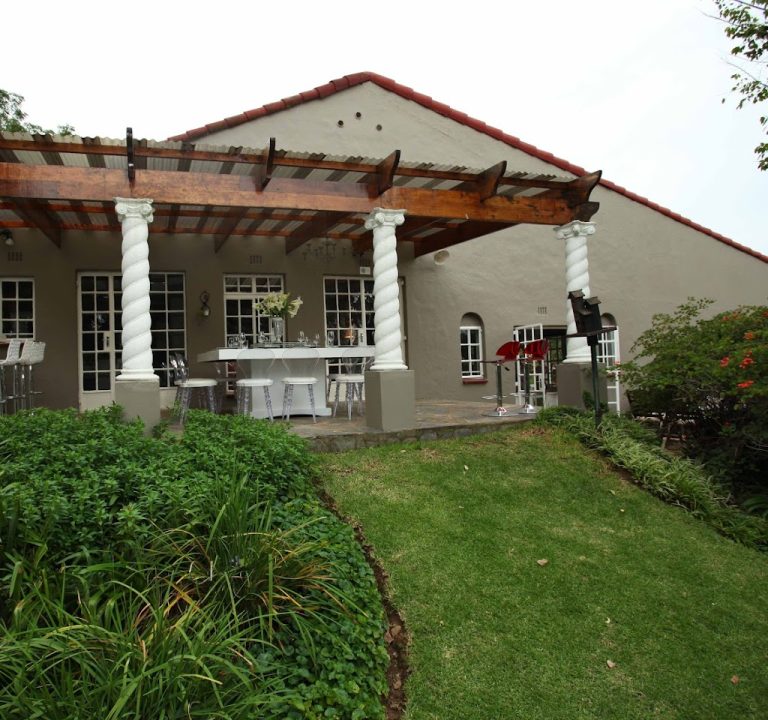
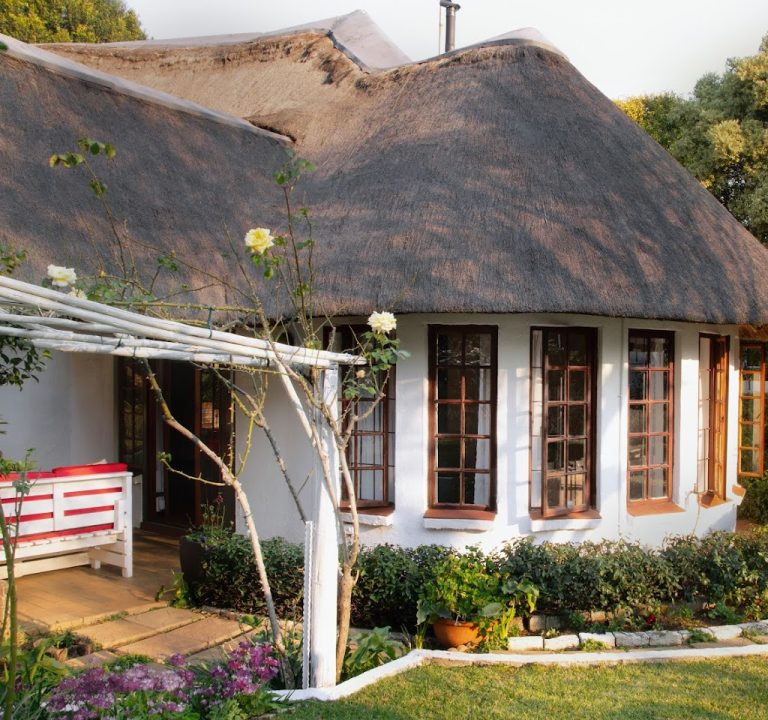
One example of accommodation that embodies the guesthouse experience is Mikasa Lodge, a guest house offering a personalised stay in a convenient location. For more information, you can visit their website at Mikasa Lodge.
In summary, Johannesburg rewards thoughtful planning with options ranging from intimate guesthouses to modern hotels. By choosing the right area, confirming essential amenities, and balancing cultural landmarks with relaxed downtime, you can craft a stay that highlights the best of Gauteng’s capital. With its dynamic mix of neighbourhoods, transport options, and a welcoming hospitality scene, Johannesburg invites visitors to explore its stories, textures, and flavours at a pace that suits you.