Johannesburg: where to stay, what to see, and how to plan a great visit
Johannesburg, or Jo’burg, is a dynamic hub where modern shopping districts meet rich history and nature on the doorstep of the city. When planning a stay in Gauteng’s largest city, it helps to think about which neighbourhood will suit your itinerary, what level of comfort you want, and how you’ll move around. The city offers everything from intimate boutique lodges to contemporary hotels, making it easy to tailor a break that matches your pace and interests.
Areas to consider. The north of the city is home to busy business districts and world‑class shopping, with well‑established hotels and serviced apartments in areas such as Sandton and Rosebank. If you prefer a more relaxed, cosmopolitan vibe with bars, cafés and art spaces, the trendy districts of Braamfontein and Maboneng are popular with visitors who like to stroll, browse, and dine without relying heavily on cars. For a deeper cultural experience, a night or two in Soweto puts you close to open-air markets, historic sites and community eateries. For nature and a quieter pace, foothills and parks around Johannesburg offer scenic trails and day trips. When selecting accommodation, consider proximity to the places you plan to visit and access to reliable transport options.
Types of accommodation and typical amenities. In Johannesburg you’ll find a broad spectrum: boutique lodges and guesthouses with personalised service, modern hotels with conference facilities, long-stay serviced apartments, and family‑run B&Bs. Look for amenities that align with your needs, such as secure parking, 24‑hour reception, free Wi‑Fi, on‑site dining or easy access to good restaurants, and breakfast options. If you’re travelling with family or a group, you may prefer suites with separate living spaces, kitchenettes or self‑catering facilities. For shorter breaks, a central location with a stylish lobby lounge, gym access, and concierge service can significantly ease your days of sightseeing.
Transport and getting around. Johannesburg is spread out, so plan your transport in advance. The city has a modern rail connection called the Gautrain linking the airport to parts of the north and central suburbs, and rideshare services are widely available. If your accommodation includes on-site parking or proximity to a reliable taxi service, it can reduce daily logistics. For trips to Soweto or nature reserves, consider a plan for organised tours or a driver for a day to maximise your time. A practical tip is to ask your host or front desk about the best routes for the time of day you’ll be out, especially if you’ll be returning after dusk.
Best time to visit and practical planning tips. Johannesburg enjoys a mild climate year‑round, but the dry winter months (roughly May to August) tend to be pleasantly cool for outdoor exploration, with clearer skies and less rainfall. If you plan outdoor activities or day trips to nearby attractions, consider visiting in these months. South Africa’s school holiday periods can bring busier streets and higher demand for lodging, so booking in advance is wise during peak travel times. Pack adaptable clothing for warm days and cooler evenings, comfortable walking shoes for city exploring, and a lightweight rain jacket for the changing weather. Always confirm hotel policies on housekeeping, security measures, and guest access, especially if you’ll be travelling late or arriving from the airport at odd hours.
What to look for when booking. Before you reserve, check the property’s location relative to the sights you want to visit—some areas offer a more relaxed atmosphere at night, while others are closer to business hubs and transport links. Read recent reviews for notes on noise, cleanliness, and service, and verify what is included in the rate (breakfast, parking, airport transfers). If you value unique character, a lodge or boutique guesthouse can offer a more intimate atmosphere than a larger hotel. For those who need flexible workspaces, look for properties with reliable Wi‑Fi and comfortable common areas. For convenience, confirm whether the property can assist with airport transfers or city tour recommendations, and whether it has recommendations for reputable dining nearby.
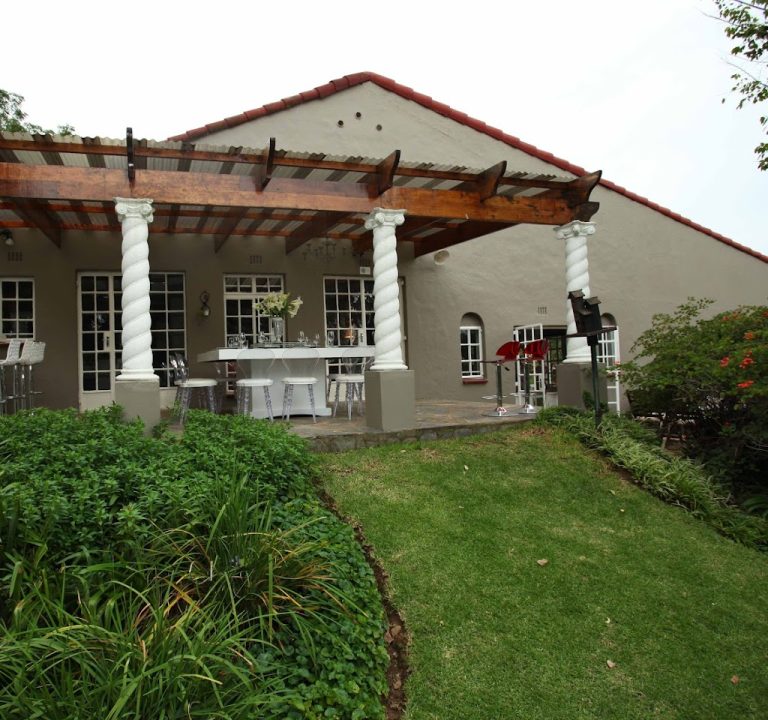
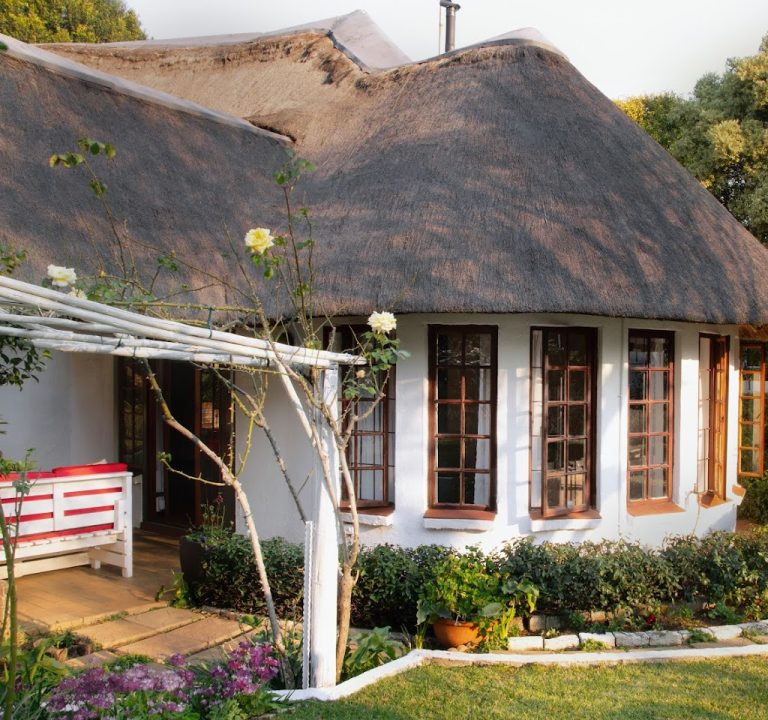
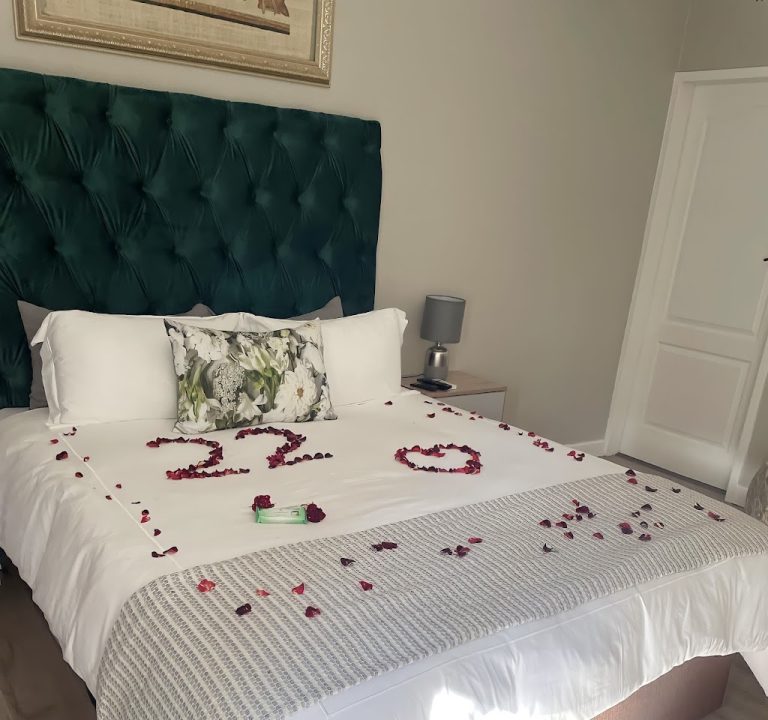
Accommodation examples and a sample stay idea. A lodge-style property such as Park Lodge offers a cocoon of comfort with a focus on guest experience and shared spaces, making it a nice base for exploring the city’s cultural mix. From a well‑placed lodge or guesthouse, you might spend mornings visiting historic museums or markets, afternoons in contemporary neighbourhoods with galleries and cafés, and evenings sampling diverse cuisines in reputable yet unpretentious eateries. Your plan could include a day in central Johannesburg to see landmarks and memorial spaces, a visit to a wildlife or botanical setting on the city’s outskirts, and a guided or self‑guided neighbourhood walk to sample street food and local coffee culture. With careful planning, you can balance iconic sights with neighbourhood discoveries that reveal how locals live and work in one of Africa’s most vibrant cities.
One practical suggested itinerary and a short practical checklist:
- Choose two to three neighbourhoods to stay in, based on your interests and transport access.
- Reserve a central base with easy access to public transport or reliable car hire for day trips.
- Book a stay with breakfast and secure parking if you’ll drive.
- Plan a mix of cultural attractions, markets, and a nature outing to balance city and outdoors.
- Prepare a flexible schedule for meals, allowing time to discover casual eateries and a few recommended fine-dining spots.
In short, Johannesburg rewards travellers who plan for variety—comfortable places to rest, thoughtful transport arrangements, and a mix of cultural, historical and natural experiences. With careful choice of area, realistic expectations about travel times, and a flexible approach to dining and sightseeing, you can enjoy a thoroughly rewarding stay in Gauteng’s dynamic and welcoming capital.