Johannesburg: A Practical Guide to Accommodation, Areas, and Local Experiences
Johannesburg, or Jo’burg as it is affectionately known, offers a diverse mix of accommodation styles, from stylish city apartments to gracious guesthouses and modern townhouses. When planning a stay in Gauteng’s energetic hub, it helps to think about what you want from your visit: the pace of life, how much time you’ll spend exploring, and how you’ll get around. A well-chosen base can transform a busy itinerary into a smooth, enjoyable experience.
Areas to consider for accommodation vary by atmosphere and access. The central business district provides easy locale for business travellers and first-time visitors who want to be within walking distance of museums, galleries, and historic sites, while the northern suburbs offer leafy residential streets, good dining options, and family-friendly venues. The Maboneng Precinct, a short taxi ride from the city centre, often appeals to travellers seeking a blend of creative venues, eateries, and markets. For a more tranquil stay, areas such as Randburg or Sandton present upscale hotels and modern apartment-style options with convenient access to shopping centres and public transport. If your time allows for a deeper South African experience, a stay closer to Soweto can offer cultural insights and guided tours that illuminate the country’s history and everyday life.
When booking, look for a few practical features that help a stay run smoothly. Reliability and privacy are important, especially in busy urban settings. Consider properties that offer secure access, a generous check-in window, and clear communication with hosts or management. Check whether the listing provides self-catering facilities or breakfast options, and whether housekeeping is available. If you are travelling with family or a group, confirm the size and layout of the space, such as the number of bedrooms, bathrooms, and whether there are communal areas for gathering after a day of sightseeing.
Typical amenities that guests value include good Wi‑Fi, air conditioning or effective cooling in warmer months, and reliable heating for winter nights. A well-equipped kitchenette or kitchen space is useful for cook‑in‑meals after long day trips. For longer stays, a washing machine or laundry service can be a significant convenience. Some properties go beyond the basics with a small outdoor seating area, a pool, or access to a fitness room. In Johannesburg’s climate, outdoor spaces can be a welcome respite, especially during the cooler evenings in autumn and winter.
Transport is a central consideration in planning. Johannesburg’s public transport network includes rapid rail links and bus routes, but many travellers find rideshare apps and licensed taxi services the simplest way to get around, especially for evening outings or trips to markets and neighbourhoods outside the immediate city centre. If you are visiting for business or a well-paced itinerary, choosing a location with easy access to main roads and to the Gautrain stations can save time. For those who enjoy self-directed exploration, a vehicle can be helpful, though driving in central areas requires patience during peak traffic hours and attention to local driving norms.
Best time to visit Johannesburg is generally during the South African autumn (March to May) and spring (September to November), when temperatures are mild and the city’s outdoor spaces are most pleasant. Summer can bring thunderstorms, while winter is cooler but often dry and sunny. If you are keen on outdoor markets, live music events, and cultural festivals, aligning your stay with a local calendar can enrich the experience. Regardless of the season, Johannesburg mixes urban energy with parks, green spaces, and nearby natural attractions that are worth adding to a plan.
When planning an itinerary, aim to balance accommodation with nearby attractions and convenient dining options. In broad terms, you might allocate day trips to well-known cultural venues, a guided township experience to gain context on South Africa’s history, and a couple of evenings in varied districts to enjoy diverse restaurants and bars. For those with limited time, joining a guided tour that combines highlights from the city centre, Nelson Mandela’s legacy sites, and a glimpse into modern urban life can be the most efficient way to see a lot in a short period.
Dining and eateried experiences in Johannesburg range from casual cafés to more refined restaurants, with influences from traditional South African flavours and international cuisines. Local dining scenes often reflect the city’s cosmopolitan character, offering dishes that highlight fresh produce and bold combinations. If you prefer a relaxed evening, look for districts known for cluster of eateries where you can stroll between options, sample small plates, and enjoy a drink in a convivial setting. Always check recent reviews for up‑to‑date information on service and menu changes, as Johannesburg’s hospitality scene evolves rapidly.
Practical tips for a smooth stay include confirming the check-in process in advance, asking about parking arrangements if you will have a vehicle, and learning a few local phrases to ease interactions. Bring a universal travel adaptor, as plug types can vary, and plan smartly for altitude and wind in open-air outings. Given the city’s size, having a flexible plan and backup options for evenings—such as recommended venues within a short taxi ride—helps ensure a relaxed trip. If you are curious about specific local neighbourhoods or want guidance on a tailored itinerary that aligns with your interests, many accommodation providers offer recommendations or host-led introductions to the area.
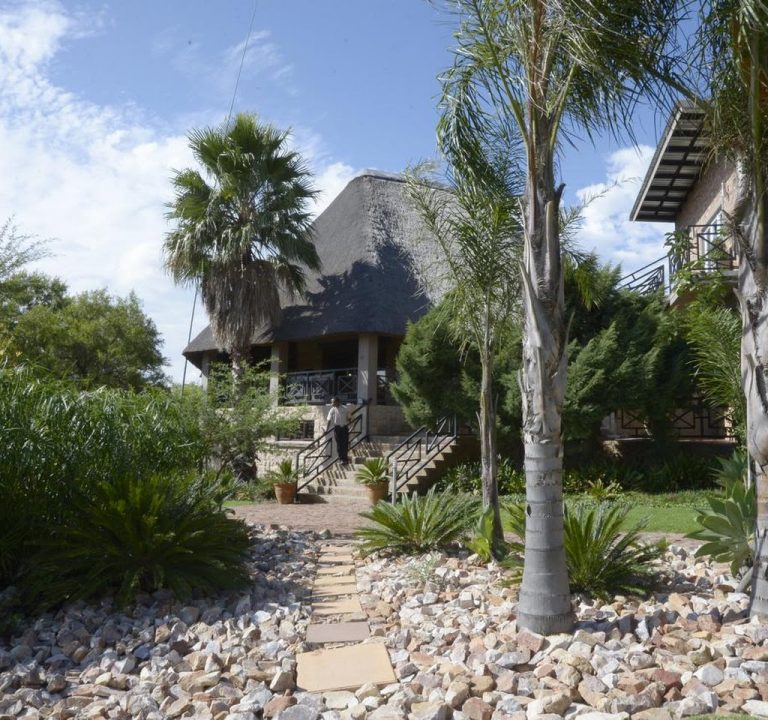
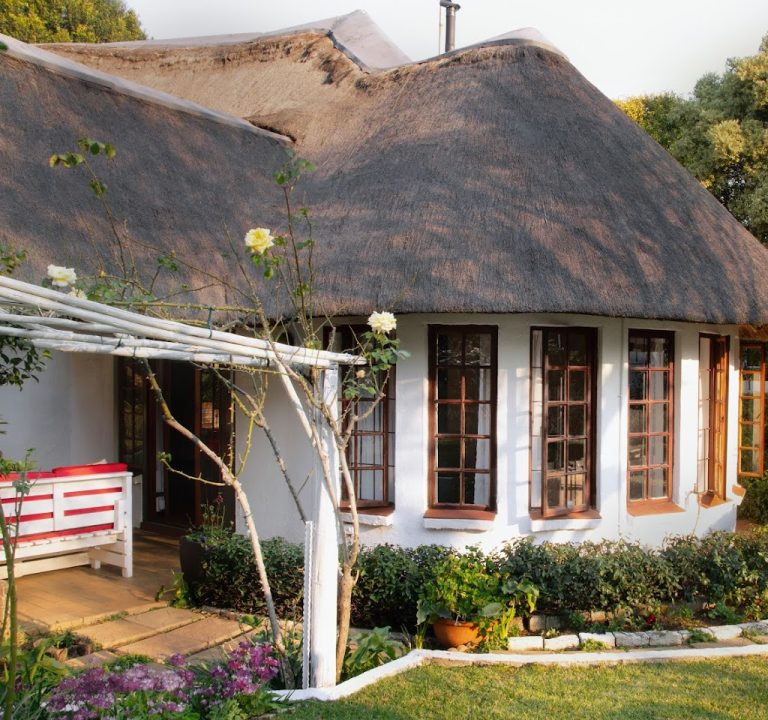
One example area to explore further is Banbury Estate, a townhouse complex that can serve as a comfortable, homely base from which to discover the city. Whether you are travelling for business, family, or culture, a well-chosen stay in Johannesburg can provide both a convenient launchpad for day trips and a welcoming retreat after busy days out in Gauteng.