Johannesburg: Accommodation and Experiences for a Memorable Stay
Johannesburg, Gauteng, is a dynamic hub where modern city life meets rich history and vibrant neighbourhoods. When planning a stay, consider the character of each area to match your interests, whether you want slick stadium vibes and fine dining, leafy suburbs with a boutique guesthouse, or a creative neighbourhood with galleries and street markets. The city acts as a gateway to South Africa’s Witwatersrand, offering a mix of cultural experiences, outdoor spaces, and accessibility to surrounding attractions.
For travellers seeking a comfortable home base, a range of accommodation types are available. Boutique B&Bs on tree-lined streets often pair warm hospitality with thoughtfully styled rooms, while stylish city hotels provide reliable amenities and easy access to business districts and nightlife. Guesthouses and lodges can offer personalised service and local charm, with attention to breakfast, secure parking, and convenient transit links. A few properties may specialise in self-catering options for longer stays, which can be ideal when you want to explore markets and neighbourhoods at your own pace.
When choosing where to stay, think about your daily plan. If you aim to explore the northern suburbs, consider areas such as Sandton or Rosebank for proximity to shopping, galleries, and parks. For a more urban, trend-forward experience with easy access to cafés and cultural sites, Braamfontein and Maboneng offer a mix of guesthouses, boutique hotels, and live entertainment. For a deeper dive into South Africa’s history and culture, Soweto remains essential, with guided experiences that provide context to the city’s past and present. The central city, often referred to as the CBD, can be a practical base for transit links, museums, and markets, though it may require a little more planning for evening safety and movement during certain hours.
Transport is an important consideration. Johannesburg’s public transport includes rail services and a growing network of rideshare options. The Gautrain is a convenient option for trips to Pretoria or other parts of Gauteng, and many guesthouses and hotels arrange airport transfers or local shuttle services. If you plan day trips, staying near major arteries or transport hubs can cut travel time. For guests who enjoy the freedom of driving, a car hire offers flexibility to explore beyond the city centre, including nature reserves and scenic routes to nearby towns and attractions.
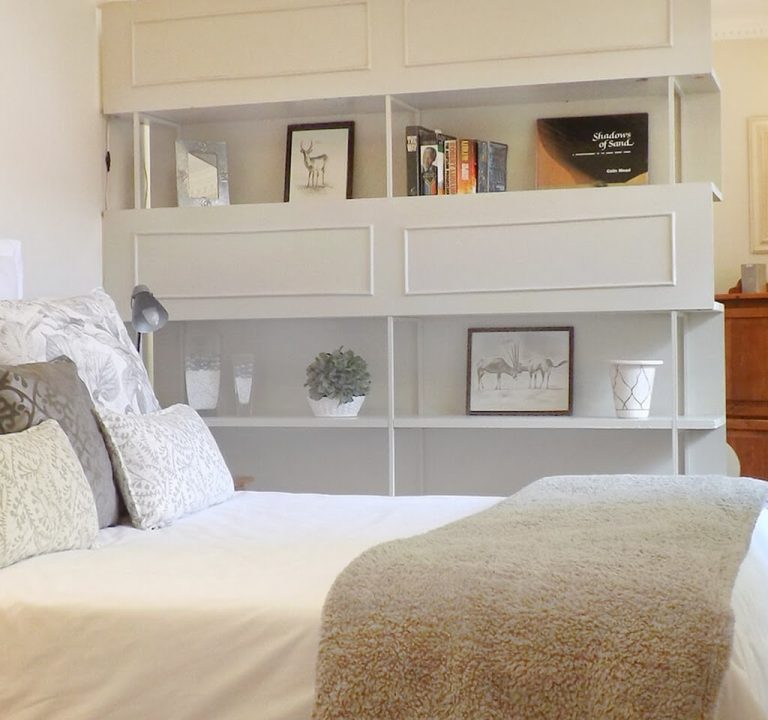
Typical amenities you might look for include a private bathroom, reliable Wi-Fi, off-street parking, and a strong breakfast offering. A cosy lounge or outdoor spaces can be pleasant for evening relaxation, while in-room climate control helps with Johannesburg’s occasional seasonal variations. Some properties provide on-site dining or proximity to reputable restaurants, while others may offer guidance on local eateries and markets. If you value contemporary design, many boutique stays balance modern comforts with personalised touches that reflect the neighbourhood’s character.
The best time to visit Johannesburg tends to be during the dry winter months from May to August, when skies are often clear and the days are mild. Summer brings warmer temperatures and the possibility of thunderstorms, which can be dramatic and refreshing, but may impact outdoor plans. Shoulder seasons, in spring and autumn, offer pleasant weather with fewer crowds. While Johannesburg’s weather is generally moderate, it is wise to pack layers, a light rain jacket, and comfortable walking shoes for days spent on foot exploring the city’s many streets and markets.
Beyond where you stay, the city presents a broad array of attractions and experiences. In general terms, you can expect world-class museums and galleries that illuminate both local and national histories, vibrant markets offering crafts and produce, and a dining scene that ranges from contemporary fusion to classic favourite dishes. Street-level culture, such as hip cafés and live music venues, often emerges in mixed-use districts where residents and visitors mingle. For families and curious travellers, guided tours that highlight the city’s diverse communities can be especially rewarding, providing context and connection to the places you visit.
To help you plan a stay that fits your pace, here is a concise list of practical considerations:
- Check late check-in options and security arrangements, especially if you expect to arrive after dark.
- Clarify breakfast times and whether meals are self-catering, included, or offered by the property’s dining partner.
- Ask about accessibility features, parking arrangements, and proximity to public transport or ride-share hubs.
- Review cancellation policies in case travel plans shift, particularly during shoulder seasons.
- Request local tips for safe evening routes, markets, and family-friendly activities.
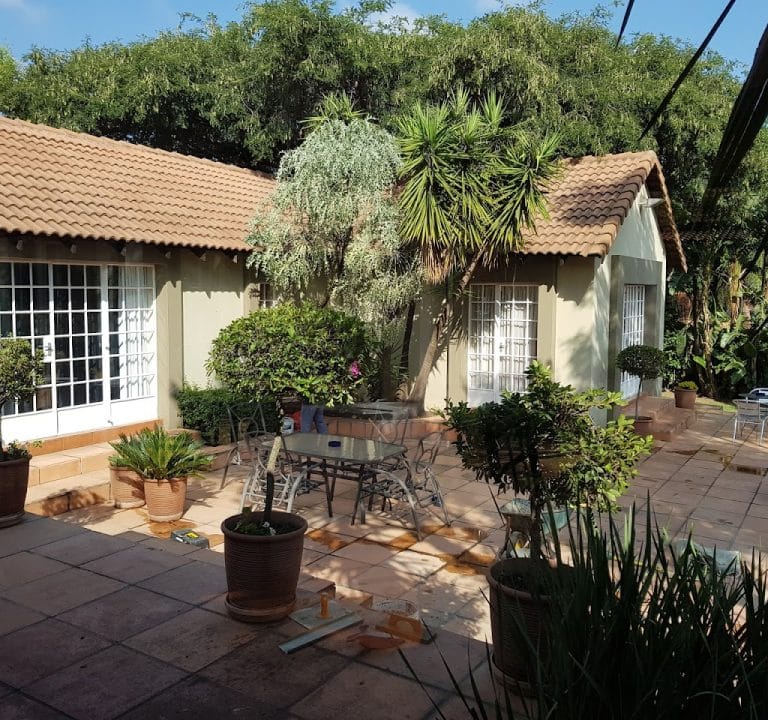
For a distinctive stay that blends intimate hospitality with a central location, consider a boutique B&B such as BRUNO COMFORT SUITES. With a focus on guest comfort and personalised service, it can serve as a convenient base for exploring the northern suburbs and the city’s cultural hotspots. Learn more about this kind of accommodation and its offerings at the property’s website: Bruno Comfort Suites.
Ultimately, Johannesburg rewards travellers who balance time between well-located stays and exploratory days. By selecting a neighbourhood that aligns with your interests, planning around transport options, and engaging with guided experiences that offer context and insight, you can craft a stay that feels both relaxed and enriching. Whether you are visiting for business, culture, food, or family time, the city’s energy, age-old stories, and modern vitality come together to create a memorable South African visit.