Johannesburg: Staying in the City of Gold – accommodation, attractions and practical planning
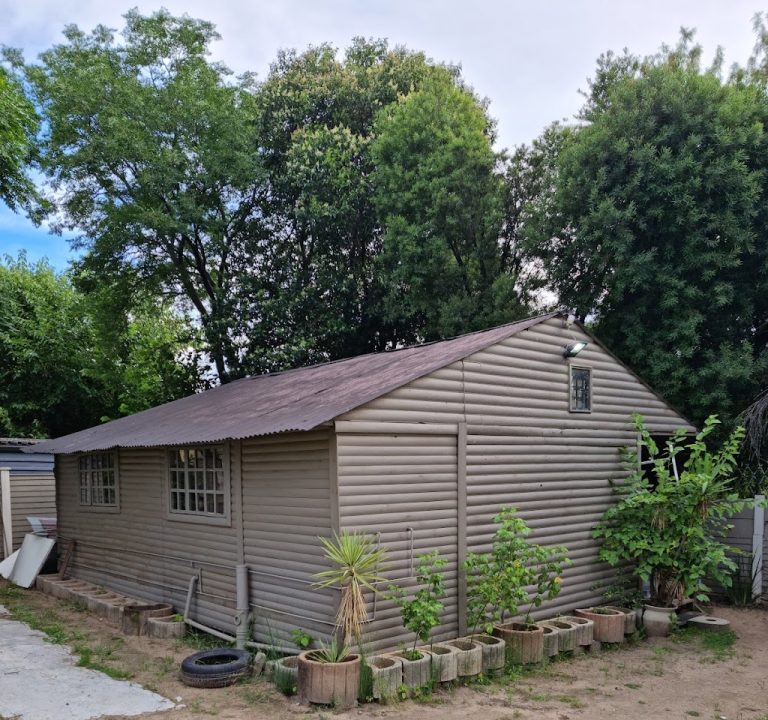
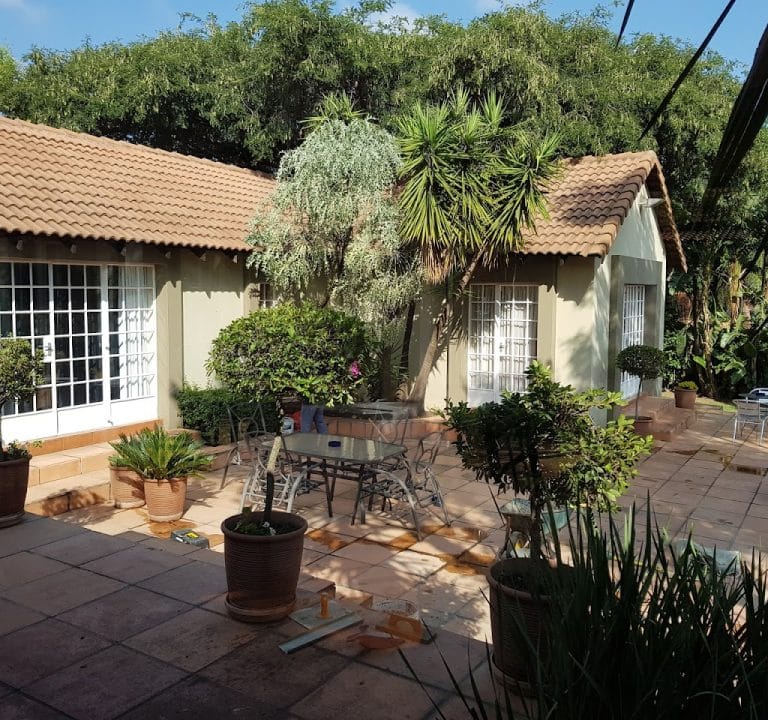
Johannesburg, Gauteng, is a sprawling urban hub where business districts meet vibrant neighbourhoods, street markets, and a surprising breadth of cultural experiences. When planning a stay, many visitors choose to base themselves in one of several well‑connected areas, each with its own character. Sandton and Rosebank are popular for convenience and shopping, while Braamfontein and Maboneng offer a more creative, walkable atmosphere. For those seeking a deeper sense of history and community, Soweto and Newtown provide insightful connections to South Africa’s past and present. A family welcome at a friendly bed and breakfast such as 130 Market Bed and Breakfast can set a warm tone for your visit, while a modern city‑centre apartment or boutique guesthouse offers easy access to transport links and nightlife.
When choosing accommodation, the most important questions regard location, transport access, and what you want from your stay. If you expect to commute for business meetings or cultural outings, look for properties within a short metro or ride‑hailing distance of the places you plan to visit. In Johannesburg, being near a reputable train link or bus service can simplify travel, though many visitors also rely on reliable rideshare options or car hire for greater flexibility. Within each area, consider proximity to supermarkets, dining options, and nightlife, as well as the general safety profile of the surroundings. An established B&B or guesthouse often lists the neighbourhood notes on its page, which can help you gauge whether the location aligns with your plans.
Typical amenities to look for include: a comfortable breakfast service or self‑c catering facilities, free Wi‑Fi, secure parking or good public transport access, air‑conditioning or adequate heating, and clear, helpful reception services. Many properties in Johannesburg offer curated guest experiences—guided walks, local market visits, or suggestions for day trips to nearby attractions—so it is worth checking whether such add‑ons are available. A well‑run establishment will be transparent about house rules, accessibility, noise levels, and any shared spaces, helping you plan accordingly. If you have specific needs, such as a quiet room, easy access, or family facilities, reach out in advance to confirm arrangements.
Food and dining can be a highlight of a Johannesburg stay. In central and urban neighbourhoods, you’ll find democratically priced breakfasts and a range of eateries, from casual cafés to stylish bistros. When booking, ask about breakfast formats, on‑site dining hours, and dietary options if required. Many guests also enjoy exploring local markets and casual eateries in the surrounding districts, where a mix of traditional South African flavours and contemporary cuisine can be discovered. For evenings, the city’s restaurant scenes vary by district, with urban precincts offering venues that suit everything from quick, affordable meals to leisurely, contemporary dining.
Accommodation in Johannesburg often emphasises simplicity and comfort rather than luxury alone. You may encounter rooms equipped with standard essentials, reliable Wi‑Fi, a well‑stocked guest lounge, and friendly staff who can provide city information, maps, and tips for safe and efficient travel. If you are seeking a little more privacy or a home‑like atmosphere, self‑contained studios or apartment‑style units within guesthouses can be particularly convenient for longer stays. Check whether utilities such as satellite TV, in‑room coffee facilities, and laundry services are available, as these can make a difference to daily convenience.
Transport is a practical consideration in Johannesburg. A mix of options—airport transfers, car hire, taxis, and rideshailing apps—helps you tailor travel to your itinerary. If you intend to visit multiple districts or spend time in Soweto or the city centre, ensure your accommodation offers clear guidance on safe travel routes and local parking policies. Some visitors prefer to plan day trips by grouping attractions by area to minimise transit time. Always confirm building access hours and reception availability, particularly if you will be arriving late or departing early.
Best time to visit Johannesburg tends to be year‑round, though seasons differ from other parts of the world. Summers (roughly October to March) can be warm and occasionally wet, with the possibility of afternoon thunderstorms; winters (May to August) are cooler and dry. Consider local events when planning your trip, as certain periods can be busier in town centres or at popular markets. If you want a quieter stay, mid‑week bookings in shoulder seasons can yield better value and more personal attention from hosts.
Practical tips for staying in Johannesburg:
- Book a property with good reviews for safety, accessibility, and connectivity to public transport or major routes.
- Ask about transportation options and whether the host can arrange trusted local guidance or tours.
- Check for 24‑hour reception or clear late‑arrival arrangements if your schedule is variable.
- Review meal arrangements, including whether breakfasts are continental, cooked, or self‑serve, and note dietary needs.
- Plan a mix of indoor and outdoor activities, balancing museum or gallery visits with open‑air markets, parks, and neighbourhood walks.
In addition to accommodation, Johannesburg offers a broad spectrum of experiences. Cultural centres, markets, galleries, and museums provide context for the city’s complex history and dynamic present. In the surrounding Gauteng region, nature reserves and scenic viewpoints offer a contrast to urban life, while nearby townships provide guided experiences that illuminate local narratives under responsible, well‑run oversight. When you arrive, use your host’s local knowledge to tailor a plan that balances iconic sights with lesser‑known gems, ensuring a well‑rounded, enjoyable stay in the heart of South Africa’s most energetic city. For an overview of municipal services and official tourism information, you can consult the City of Johannesburg’s resources or national travel guidance online.