Johannesburg: accommodation, attractions and planning your stay in Gauteng
Johannesburg, often simply called Jo’burg or Jozi, offers a diverse mix of stays that suit a range of traveller styles—from boutique stays in vibrant urban precincts to more relaxed lodges in leafy suburbs. When planning a visit, focus on the area that best fits your interests, access needs and the tempo you want for your trip. The city’s transport links, including metro routes and rapid rail connections, make it possible to base yourself in one neighbourhood and explore others with relative ease.
Areas to consider
- The northern suburbs, including Sandton and Rosebank, are popular for business travellers and shoppers, with contemporary hotels, upscale guesthouses and convenient access to malls, conferences and secure parking.
- The central corridors around Braamfontein and Newtown are lively hubs for dining, nightlife and culture, with a range of stylish boutique hotels and guesthouses situated within easy reach of museums, galleries and theatres.
- Maboneng Precinct and the surrounding inner city offer a compact, walkable stay for those who value urban design, small venues and a fusion of eateries, galleries and music.
- Soweto and its surrounds provide insights into South Africa’s history and culture, with guesthouses and lodges that often emphasise authentic local experiences, guided tours and community initiatives.
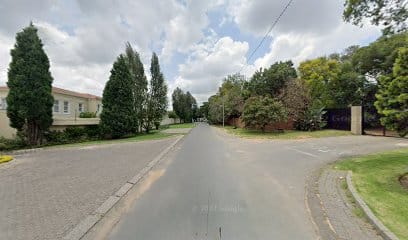
- Suburban escapes in friendly neighbourhoods with easy access to parks and family-friendly facilities also exist, offering quieter stays with convenient transit to central Johannesburg.
What to look for when booking
- Security and access: confirm 24-hour reception or on-site security, well-lit entry points and clear procedures for guests arriving after hours.
- Parking and transport: if you plan to drive, check for on-site or on-street parking; if relying on rideshare or Gautrain connections, ensure the property is a reasonable distance from stations or major routes.
- Amenities that matter to you: reliable Wi-Fi, a kitchen or kitchenette, laundry facilities, air conditioning or heating, and a comfortable workspace if you’re travelling for a combination of work and leisure.
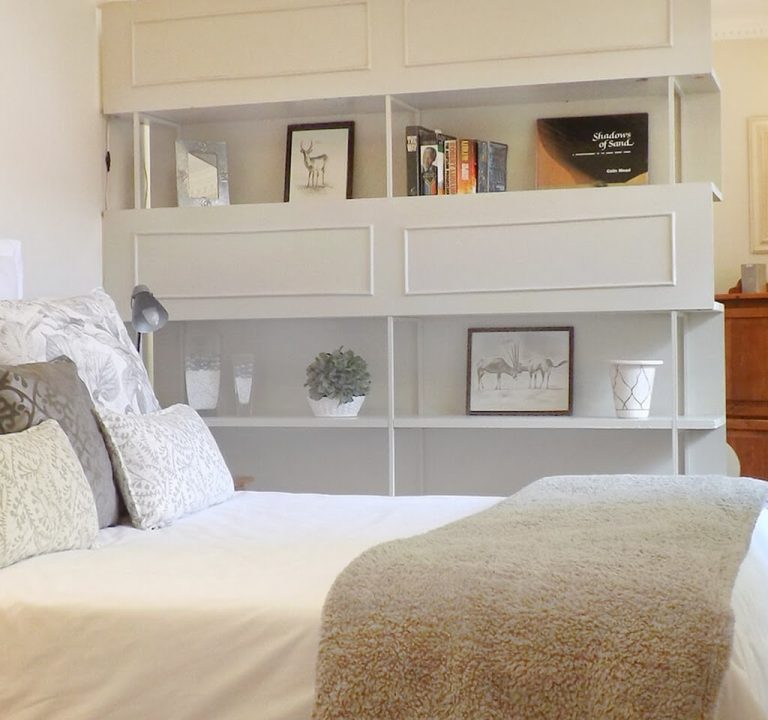
- Room configuration and flexibility: some stays offer studios or suites with separate living areas, which can be advantageous for longer visits or family groups.
- Dining options: on-site dining or easy access to eateries within walking distance can save time, especially when you’re balancing exploration with downtime.
- Cleanliness and service: recent guest reviews often give helpful insights into how well a property maintains high standards and how responsive staff are to guest needs.
Typical amenities and practical planning tips
- Typical amenities include private bathrooms, secure access, air conditioning or heating, daily housekeeping options, and complimentary toiletries. Some properties provide breakfast services or light meals, and many offer recommendations for local cafés, markets and neighbourhood eateries.
- Transport planning: Johannesburg’s road network can be busy at peak times. Consider staying near a transport hub or in areas with easy rideshare access to reduce transfer times between attractions and dining spots.
- Best time to visit: Johannesburg enjoys mild winters and warm summers. Spring (September to November) and autumn (March to May) are particularly agreeable for outdoor activities, while summer can bring afternoon showers. If you’re keen to combine cultural events with your stay, align your visit with local festivals or markets that take place in the city and surrounding townships.
- Safety and awareness: stay aware of your surroundings, keep valuables secure, and use reputable transport options, especially after dark. Many areas are safe and welcoming during daylight hours, particularly in well-populated precincts and established hotels or guesthouses.
- Connectivity and planning: download official tourism resources or city guides ahead of time, and consider booking a few experiences or restaurants in advance during peak travel periods to ensure you maximise your time.
Attractions and restaurant considerations (general terms)
Johannesburg offers engaging cultural experiences, history-focused sites, and dynamic urban neighbourhoods. Expect museums and galleries that explore South Africa’s past and present, parks and outdoor spaces for a relaxed day, and bustling markets that celebrate local crafts and cuisine. Dining ranges from casual cafés and modern eateries to refined restaurants that showcase contemporary flavours and community-driven menus. When planning meals, look for options that reflect the neighbourhood character you’re visiting, with a mix of affordable spots and more established venues for special occasions. For directions, opening times and current hours, consult the property’s recommendations or official tourism resources.
Practical planning checklist
- Decide your base: choose an area that aligns with your interests—business districts for convenience, inner-city areas for culture, or quieter suburbs for a relaxed pace.
- Confirm arrival details: check check-in times and policies for late arrivals; ask about secure access if you’re arriving outside standard hours.
- Map out a rough itinerary: balance days of sightseeing with downtime, and leave room for spontaneous discoveries in markets, street cafés and micro-venues.
- Verify payment terms: understand cancellation policies, deposit requirements and any minimum-night rules that may apply during busy periods.
- Gather essential information: carry a digital copy of confirmations, local maps or offline guides, and essential contact details for emergencies or property management.
If you’re seeking further inspiration for your Johannesburg sojourn, local tourism sites offer guidance on iconic landmarks, suggested walking routes and seasonal highlights. For more information on planning a stay and discovering the city’s varied neighbourhoods, you can visit official city or national tourism pages and explore practical visitor resources.