Johannesburg: Accommodation, Attractions and Planning a Stay
Johannesburg, the vibrant gateway to Gauteng, offers a range of accommodation options to suit different itineraries and budgets. From stylish self-catering stays in northern suburbs to boutique guesthouses in the city centre, visitors can settle into a neighbourhood that matches their pace—whether you favour easy access to business districts, buzzing nightlife, or leafy residential pockets. When planning a stay, it helps to think about how you want to move around, what you want to see, and the level of autonomy you prefer for meals and daily routines.
One practical starting point is to consider the area that best aligns with your plans. If you want quick access to business venues and high-end shopping, areas such as Sandton and Rosebank can be convenient. For a more artsy, historic, and immigrant-influenced flavour with walkable streets and cafés, the inner city districts around Braamfontein and Maboneng offer a different kind of urban experience. Fourways and surrounding northern suburbs are popular for modern self-catering options and family-friendly stays, often with easy access to routes towards attractions on both sides of the city. Think about transit times, as Johannesburg’s distances can be considerable, and traffic can be heavy during peak hours.
When booking, several features are worth prioritising. Look for a self-catering option if you want the flexibility to prepare meals and come-and-go at your own pace. In a guesthouse or boutique hotel, note whether breakfast is included, whether there is 24-hour reception, and what kind of housekeeping schedule is offered. Typical amenities to expect include reliable Wi‑Fi, secure parking, well-equipped kitchens or kitchenettes, laundry facilities, and climate control in rooms. If you will be travelling with family or a group, inquire about multiple-bedroom layouts or living/dining areas that foster shared time. Accessibility can also be important, so check for lifts, ramps, and step-free entrances if needed.
Transport options in Johannesburg vary. Many visitors hire a car to maximise flexibility, while others rely on rideshare services or organised tours. The Gautrain network provides efficient rail connections to Sandton and Pretoria, with convenient access to OR Tambo International Airport, though some trips may still require a taxi or ride-share to reach specific hotels or guesthouses. If you plan to stay near key cultural areas or business hubs, you may prefer accommodation that offers easy pedestrian access to streets lined with cafés, markets, and small venues. In larger developments, check whether the property offers shuttle services to nearby transport hubs or major attractions.
Best time to visit Johannesburg depends on what you want from the trip. The city experiences a warm to hot summer, with late-afternoon showers possible, and a milder, pleasant winter. Spring and autumn can be ideal for outdoor exploration and day trips to nearby nature reserves or held-events. Consider shoulder seasons for potentially lower rates and fewer crowds, while still enjoying comfortable weather for city walks and food outings. If you are seeking to align your stay with specific regional events or markets, checking local calendars in advance can help you plan around busy weekends or seasonal openings.
When it comes to attractions and experiences, Johannesburg offers a broad slate. Visitors often plan to spend time exploring a mix of historical, cultural, and natural experiences. In addition to well-known heritage sites and museums, the city’s districts offer creative hubs, street art, and markets where you can sample a range of foods and crafts. For those seeking family-friendly or educational outings, consider day trips to nearby historical towns, nature reserves, or viewpoints that showcase the surrounding Gauteng landscape. In terms of dining, you’ll find a spectrum of eateries from casual cafés to fine-dining establishments, with many offering modern takes on South African favourites. As with accommodation, a well-planned itinerary that balances downtime with purposeful exploration can help you make the most of a stay in Johannesburg.
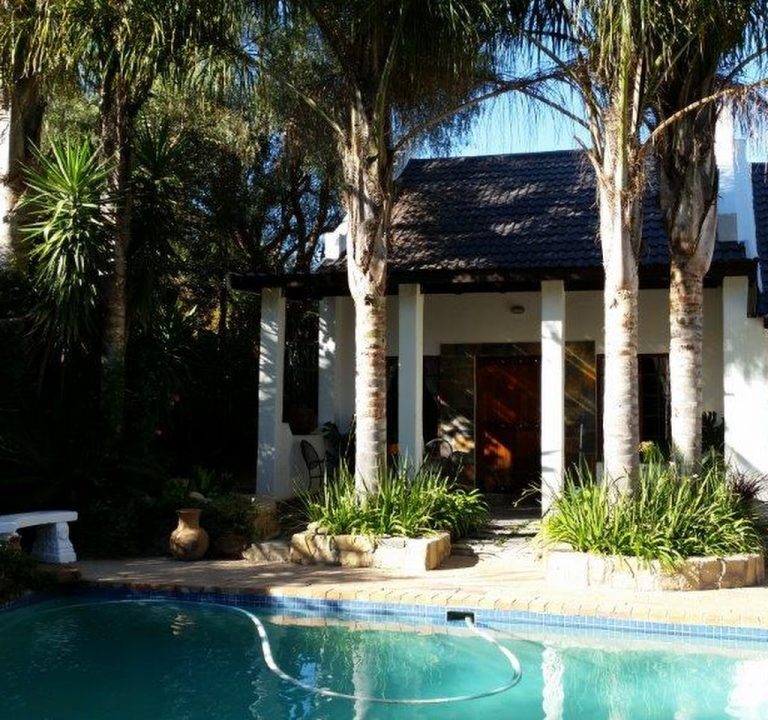
For a managed self-catering stay in a well-connected area, options such as Luxury Guesthouse Fourways can be a helpful reference point. If you are exploring a more central urban stay, look for properties that combine stylish interiors with practical kitchen facilities, good security, and proximity to desired neighbourhoods and transport links. Always confirm what is included in your rate—some venues provide self-catering essentials, while others focus on daily cleaning or weekly linen changes. A simple checklist before arrival can include: baths or showers in each unit, heat and hot water reliability, sufficient cooking equipment, and laundry access if you’re planning a longer visit.
Here is a short planning checklist to keep you organised:
- Decide on the primary neighbourhoods to base yourself in (business, culture, or family-friendly).
- Assess transport needs: car hire, proximity to rail services, and walkability to key sites.
- Check kitchen facilities and amenities relevant to your stay length.
- Review security arrangements, parking, and access to entrances after dark.
- Set realistic daily plans to balance urban sightseeing with downtime.
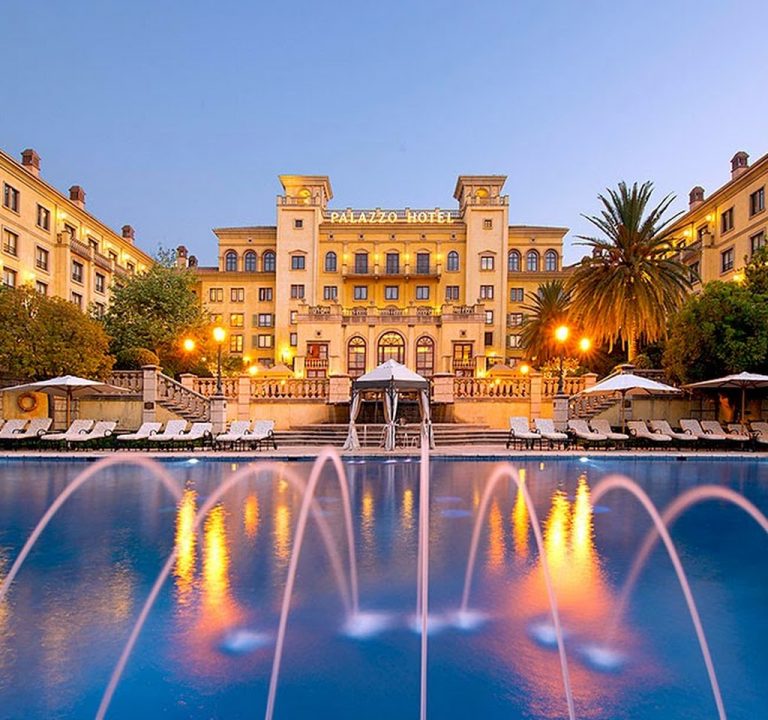
Ultimately, Johannesburg rewards travellers who blend a well-chosen base with a flexible itinerary. Whether you’re drawn to contemporary self-catering stays, intimate guesthouses, or larger boutique hotels, the city’s mix of neighbourhoods and experiences invites you to shape a stay that fits your rhythm. With thoughtful preparation and a willingness to explore beyond the obvious highlights, you can enjoy a comfortable, convenient, and memorable visit to Gauteng’s bustling metropolis.