Johannesburg: Where to stay, what to do and how to plan a memorable visit
Johannesburg offers a blend of modern city life, rich history and vibrant neighbourhoods, making it an excellent base for exploring Gauteng. When planning a stay, consider different neighbourhoods to match your interests and pace. The northern suburbs give easy access to business districts and leafy streets, while central areas offer a pulse that’s perfect for urban explorers. For a quieter residential feel, you might look for guest houses and B&Bs in safer, well-connected pockets of the city. If you’re interested in culture and nightlife, the eastern and central parts of the city provide convenient access to museums, markets, galleries and restaurants.
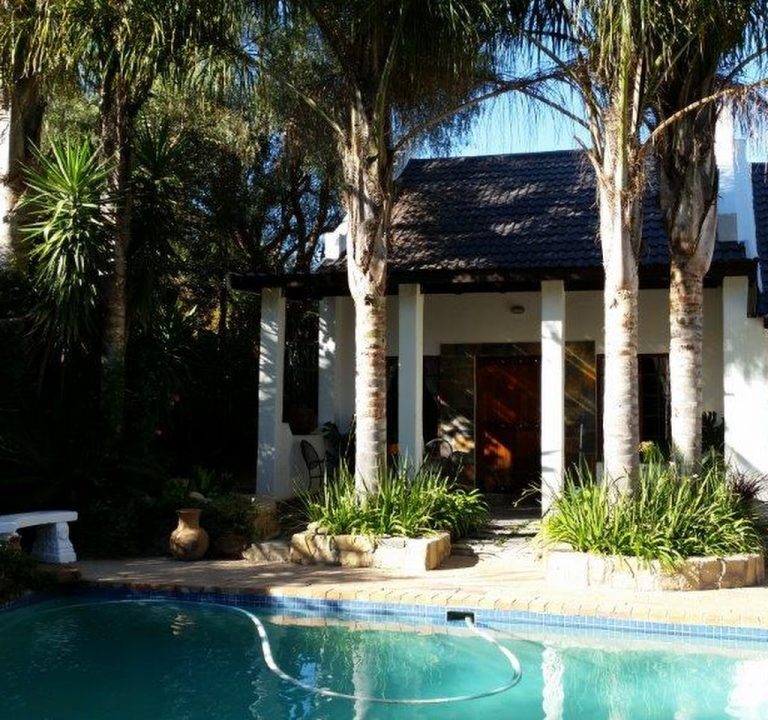
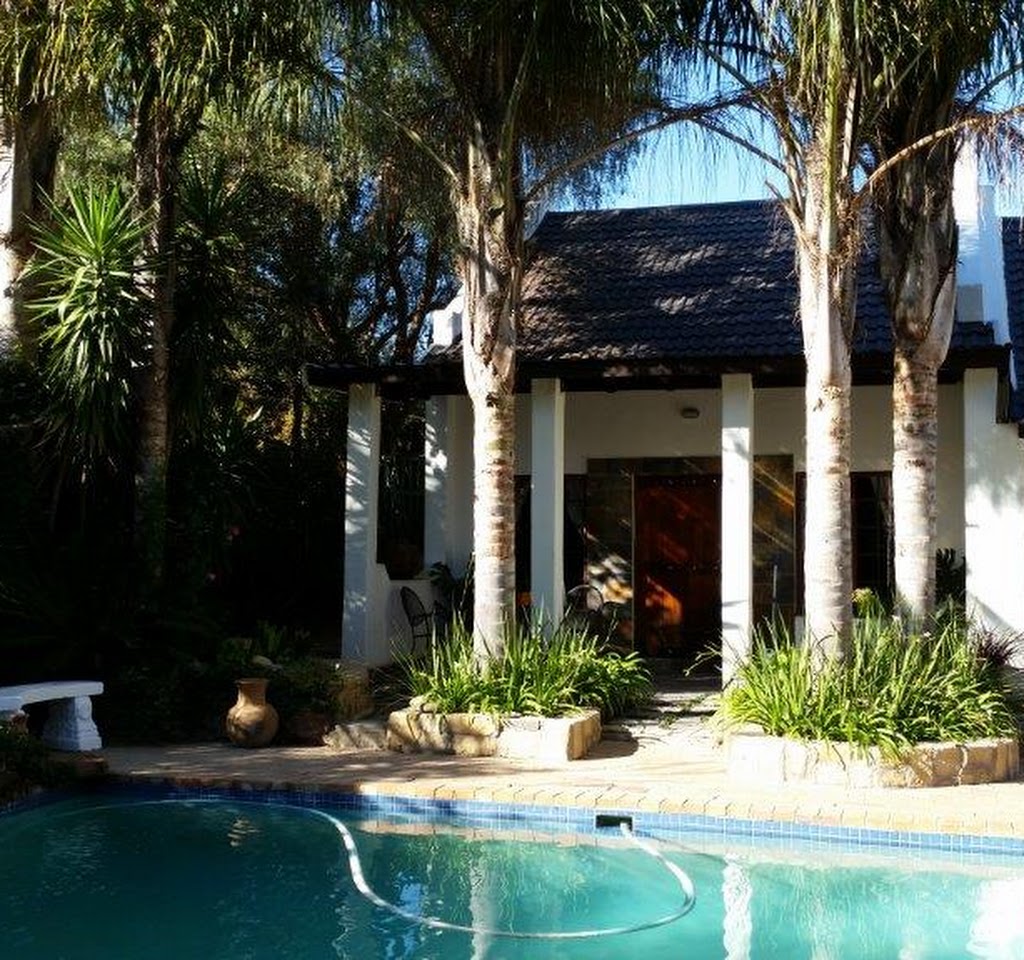
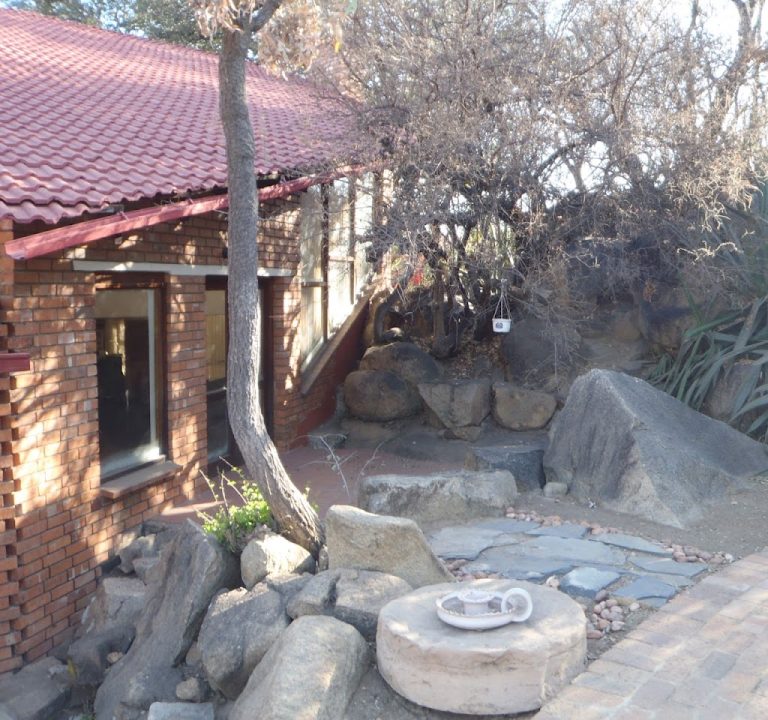
Accommodation options in Johannesburg range from stylish guest houses and boutique hotels to serviced apartments and family-run B&Bs. A guest house such as Six Valk Avenue, for example, can provide a memorable stay with personalised touches and home-like comforts. When choosing a place to stay, think about the kind of experience you want: a cosy, intimate atmosphere with attentive hosts, or a slick, self-contained space with modern amenities and flexible check-in. Look for properties that offer secure parking or easy street access, reliable wi‑fi, and private or guaranteed onto-road entry, especially if you plan to explore late in the evenings.
Typical amenities you might expect include en-suite bathrooms, comfortable beds with quality linens, tea and coffee provisions, and daily housekeeping or a cleaning schedule. Some properties offer self-catering facilities or a shared lounge, which can be a convenient option for families or longer stays. If you’re travelling for work or meetings, check for a dedicated work space, a desk, good lighting and a reliable internet connection. Breakfast can be a highlight at guest houses and boutique hotels, with home-baked bread, fresh fruit and a range of hot options often available. If you have mobility needs, verify access features such as lifts, step-free entry and grab rails in bathrooms.
Transport is a practical consideration. Johannesburg has a network of main routes and a range of public transport options, including taxis, ride-hailing services and car hire. If you’re staying in central or northern corridors, you may find convenient access to the city centre, business districts and major attractions by car or Uber-style services. If you prefer to travel without a car, choose a base that’s close to a reputable transport hub or a lively, walkable neighbourhood with plenty of dining and entertainment options within easy reach. When booking, ask about parking arrangements, late check-in procedures and recommended local routes for getting to and from the airport or train stations.
The best time to visit Johannesburg generally aligns with mild, pleasant weather in spring (September to November) and autumn (March to May). Summers can be warm to hot, with occasional afternoon showers, while winter (June to August) is cooler but drier. If you plan outdoor activities, consider weather patterns and potential seasonal crowds at popular attractions. If you’re aiming to combine city sightseeing with day trips to surrounding towns or nature reserves, it helps to ensure your accommodation offers easy access to motorways or main roads leading out of the city.
When you arrive, you’ll likely want a mix of cultural experiences, dining and markets. In addition to well-known museums and historical sites, Johannesburg showcases vibrant street art, creative markets and a growing scene of small, chef-led restaurants. To avoid overloading your itinerary, pick a couple of neighbourhoods to explore each day and balance indoor experiences with outdoor strolls in urban parks or botanical spaces. For evening meals, you’ll find a range of options from casual eateries to more refined dining rooms, with many venues focusing on local ingredients and contemporary flavours. If you enjoy food markets or food halls, seek out venues that offer a variety of cuisines and the chance to sample regional produce in one place.
Practical planning tips:
- Book accommodation with clear cancellation terms and a straightforward check-in process, especially if you’re travelling during peak seasons.
- Verify access to reliable wi‑fi and a comfortable workspace if you need to work during your stay.
- Ask hosts or reception staff for local transport tips, safe walking routes and recommended day trips.
- Check for air-conditioning or heating options to stay comfortable across seasonal variations.
- Look for transparency about security, parking, and neighbourhood safety considerations.
For inspiration on where to stay, you may wish to visit established guest houses and boutique hotels in well-connected areas that offer a warm welcome and thoughtful amenities. Consider staying near mixed-use districts where you can easily combine sightseeing with a stroll to cafés, bookshops and galleries. A stay at a guest house with a personal touch can enrich your visit through host recommendations, which often include shorter walks to parks, markets and child-friendly attractions.
Johannesburg can also serve as a gateway to broader Gauteng experiences. Nearby you’ll find cultural centres, preserved historic sites and outdoor spaces that make for engaging day trips. Whether you’re drawn to museums and history, contemporary art scenes, or cuisine and markets, planning with a practical mindset—recognising transport times, safety considerations and pace—will help you enjoy a rewarding stay in this dynamic city. For a sample stay, you might consider booking a guest house with a distinctive character and a convenient location, and visiting the surrounding districts to create a balanced itinerary that feels both relaxed and thoroughly urban.
Website example: Six Valk Avenue Guest House offers a thoughtful, well-situated option for visitors seeking warmth and a comfortable base from which to explore Johannesburg. Learn more at http://www.sixvalkavenue.com/.