Planning a Stay in Johannesburg: Where to Stay, What to Do, and How to Make the Most of Your Visit
Johannesburg, Gauteng, offers a dynamic mix of modern hotels, heritage guesthouses and contemporary lodges that suit a range of budgets and travel styles. When planning a stay, consider the city’s diverse neighbourhoods, access to transport, and the kind of experiences you want to prioritise—arts and culture, shopping and dining, or easy access to business districts. A well-chosen base can cut travel time and unlock convenient routes to key attractions and nearby ventures.
Accommodation in Johannesburg varies from sleek city-centre properties to leafy, boutique-style lodges in residential suburbs. If you prefer easy access to nightlife, dining and museums, look for options in or near the central business district (CBD), Rosebank, Braamfontein, or Maboneng. For a more tranquil, leafy feel while remaining close to work hubs, areas such as Sandton, Hyde Park, and Melrose might be preferable. For a creative, up-and-coming vibe with a bohemian edge, Melville and Braamfontein offer characterful stays near independent cafés and galleries. Consider the distance to transport hubs and the areas you plan to visit most—this can save both time and hassle during your trip.
Typical amenities to look for when booking include reliable Wi‑Fi, secure parking or convenient access to public transport, predictable housekeeping, and on-site dining or easy access to nearby eateries. In addition, many properties in Johannesburg offer practical touches such as in-room safes, air conditioning or heating, a fitness room, conference facilities, or a simple continental breakfast. If you’re visiting for business or longer stays, properties with co-working spaces or strong courier and dining services can be especially convenient. When assessing options, check recent guest reviews for consistency on service, location, and noise levels, and verify accessibility features if needed.
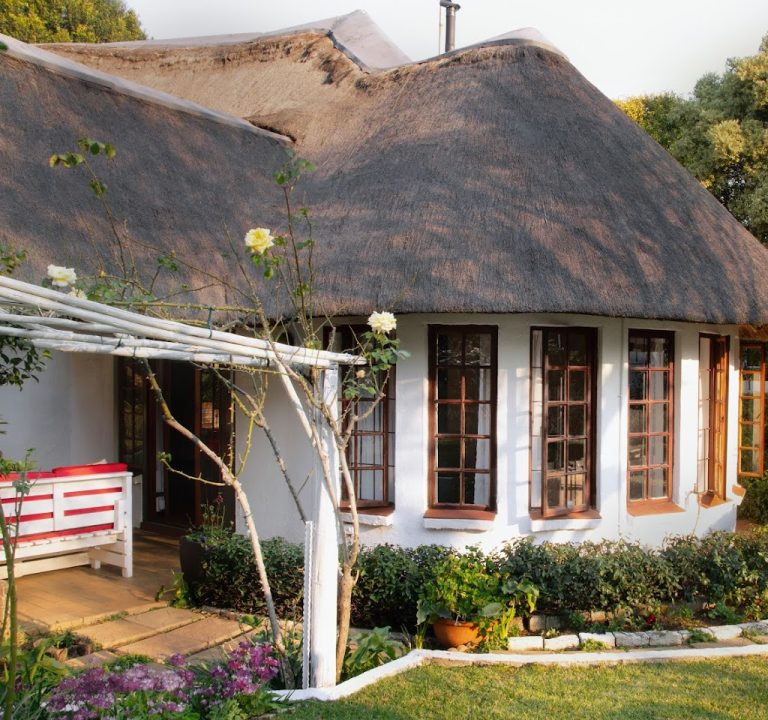
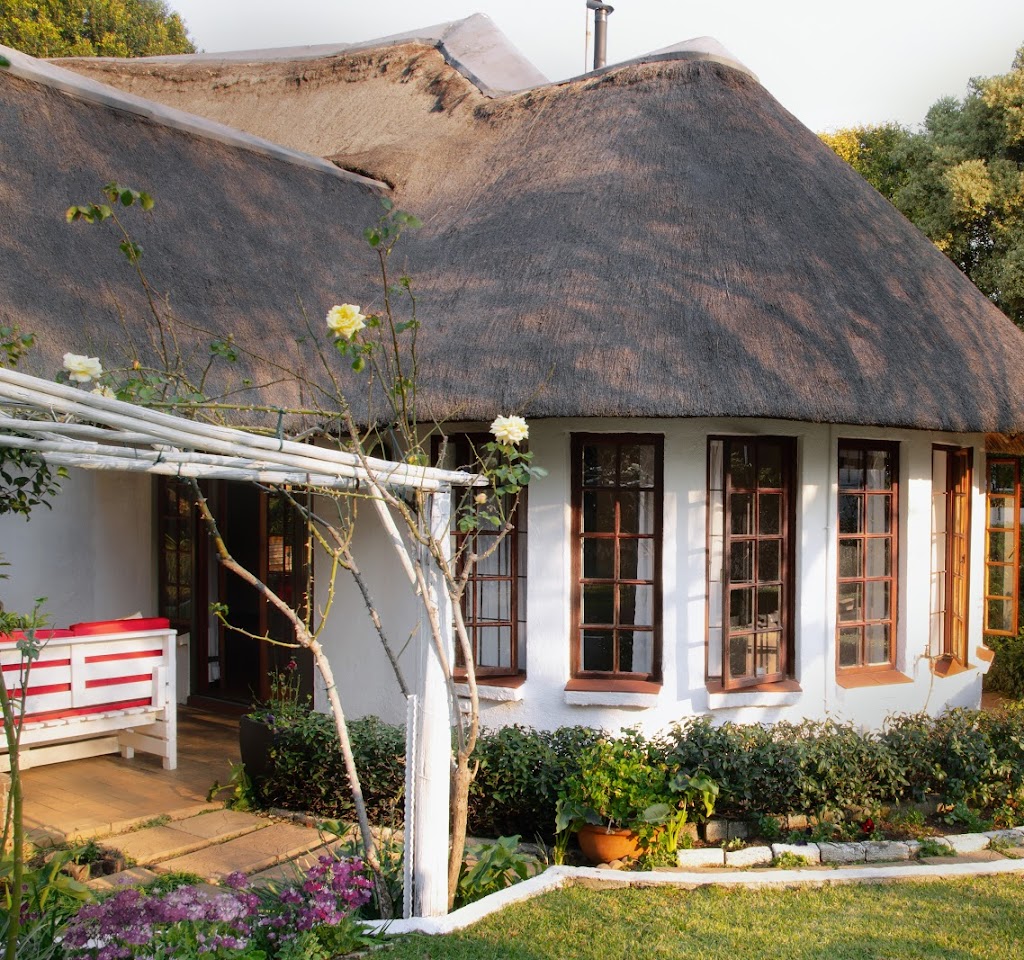
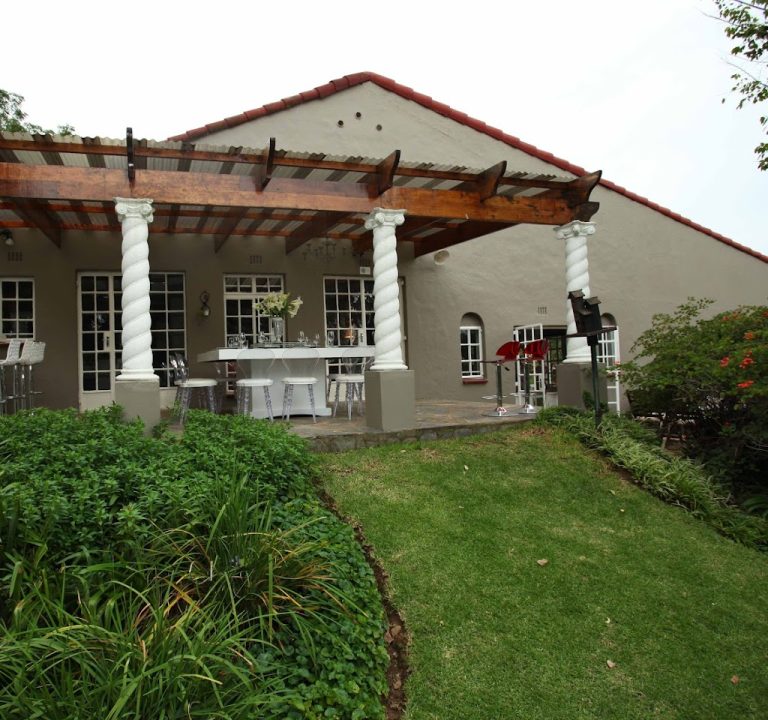
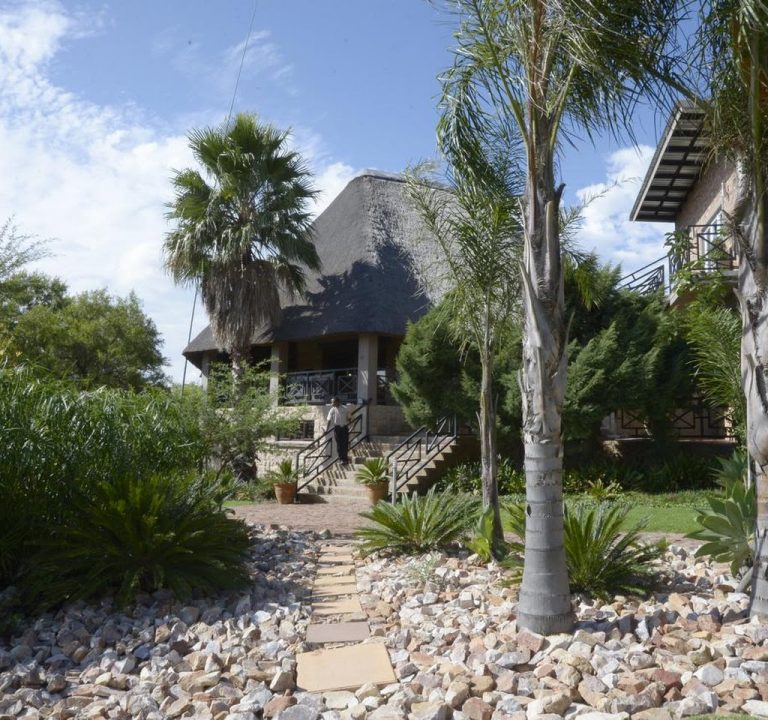
For a sample stay, consider Libra Lodge, a well-located option within the city’s accommodation landscape. The site https://www.libralodge.co.za/ provides details on facilities and room configurations, and it can serve as a useful reference point when planning a stay in Johannesburg. As with any booking, compare several properties, read guest feedback, and confirm what is included in the rate (breakfast, parking, or access to facilities) to avoid surprises upon arrival.
Transport in Johannesburg is practical but varied. The city is served by a network of mains roads, rideshare services, taxis, and a commuter rail system known as the Gautrain in some corridors. If you plan day trips to nearby attractions or business districts, choose a property with easy access to major routes or near a Gautrain station or well-connected taxi hub. In central areas, many visitors find it convenient to walk to nearby attractions, museums, galleries and a selection of restaurants, while in outer suburbs a car or reliable rideshare is often more practical.
Best time to visit Johannesburg is influenced by the climate and events calendar. The city experiences warmth in the summer with occasional rainfall from November to March, and cooler, drier conditions in the winter months. Spring and autumn (roughly September to November and March to May) can offer pleasant temperatures and lighter crowds, especially for those who want to balance sightseeing with dining and shopping experiences. If you’re planning outdoor activities or visits to open-air markets and gardens, consider the mild shoulder seasons for comfortable conditions and reduced queues at popular sites.
When exploring attractions, plan to mix indoor exhibitions with outdoor experiences. In central areas, museums and galleries offer context on South Africa’s history, art, and culture. Shopping precincts, craft markets, and design studios provide opportunities to discover local talent, while dining in varied neighbourhoods showcases a range of cuisines and techniques—from contemporary interpretations to traditional dishes. For a well-rounded itinerary, balance structured visits with strolls through neighbourhoods known for street art, cafés, and markets, and allow time for spontaneous discoveries along the way.
Practical tips to help you plan and execute your stay smoothly:
- Advance bookings: Popular periods and well-located properties can fill quickly. Book a few weeks ahead during peak travel times to secure preferred rooms and rates.
- Safety and security: Choose properties with good guest reviews regarding security, and use hotel-supported transport options or reputable rideshares after dark.
- Connectivity: If you rely on internet access, prioritise accommodations with dependable Wi‑Fi and a business-ready setup if you need to work during your trip.
- Local etiquette and tipping: Acknowledge local customs when dining or visiting markets; tipping is customary in many hospitality settings but is less prescriptive than in some other regions.
- Time management: Allow extra time for travel between districts, as traffic can vary and roadworks may affect routes.
- Weather protection: Pack for varying conditions; evenings can be cool, and sudden rain is possible in certain seasons.
Beyond the hotel, Johannesburg offers a spectrum of experiences ranging from guided tours of historical sites to casual strolls through hip, mixed-use spaces that blend dining, art and music. Restaurants span casual eateries to refined venues, with an emphasis on hospitality and a strong sense of place. Whether you are here for business, a city break, or artistic exploration, a well-chosen base in Johannesburg can enhance your visit, making it easy to discover both well-trodden sights and offbeat neighbourhoods.