Durban: Accommodation, attractions, and practical planning for a comfortable stay
Durban, in KwaZulu-Natal, offers a vibrant mix of palm-lined beaches, bustling markets, colonial architecture and access to the coast and hinterland. When planning a stay, consider which neighbourhood will best suit your style, budget and transport needs. Whether you prefer a self-catering retreat beside the sea, a stylish hotel in the city centre, or a guesthouse tucked away in leafy suburbs, Durban provides options to match most itineraries.
Areas to consider when booking include coastal hubs, central business districts, and residential neighbourhoods a short drive from the shore. The beachfront precinct is popular for easy access to the golden mile promenade, sunlit cafés and a lively atmosphere. The central area offers proximity to markets, restaurants and entertainment, while suburbs such as Musgrave and the surrounding ridges provide a calmer base with leafy streets and a touch more tranquillity. If you are seeking a resort-like break, you might look towards the northern stretches near the coast, including popular beachside zones with a range of accommodation styles and family-friendly amenities.
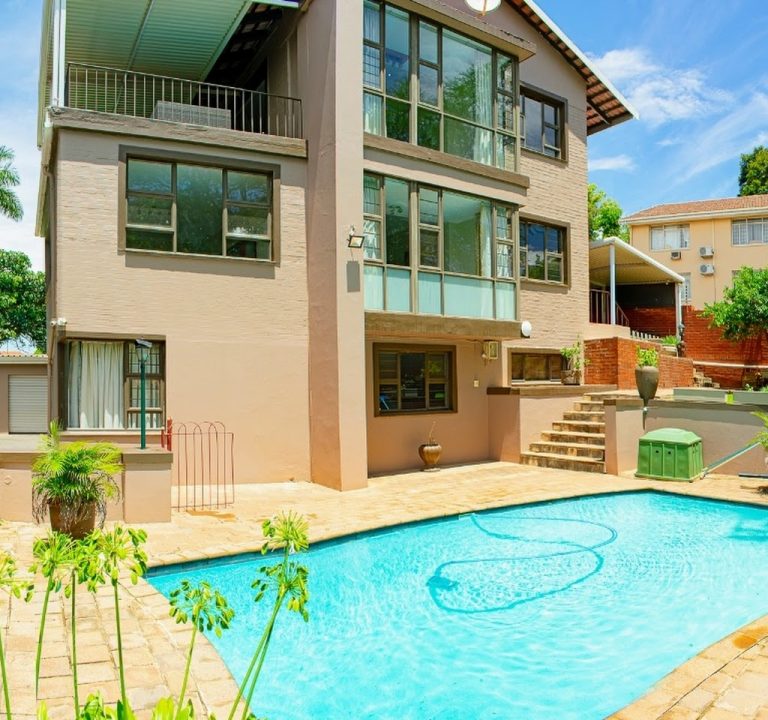
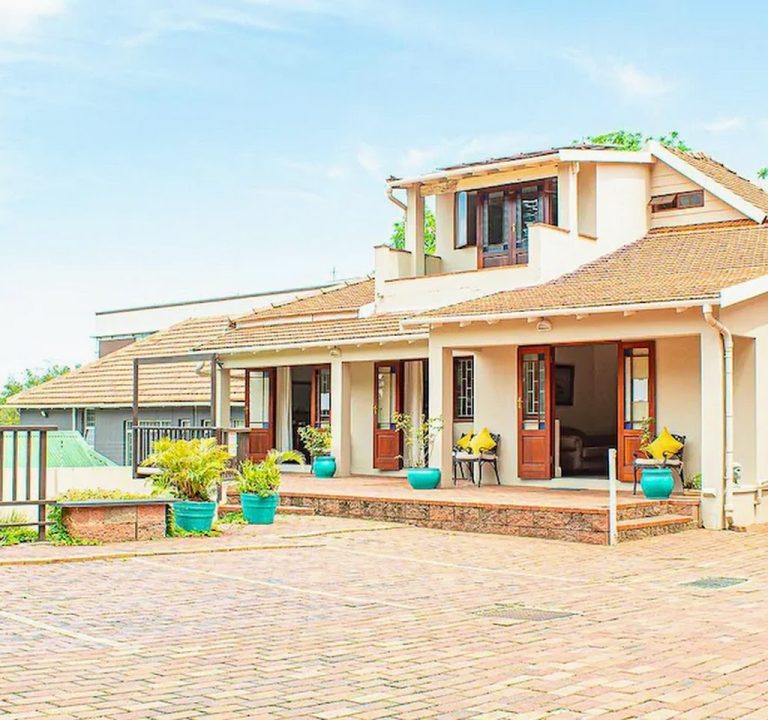
Accommodation in Durban ranges from boutique guesthouses and self-catering flats to larger hotels and wellness-focused retreats. For travellers who value flexibility and independence, self-catering options such as the Roseland House Self Catering can be a convenient choice. These properties typically provide private kitchens, living areas and convenient access to nearby shops and eateries, making it easier to plan daily excursions at your own pace. When booking, check what is included in the kitchen, whether there is air conditioning, parking facilities, and whether the property offers security features or gate access after hours.
Typical amenities you might encounter include free Wi‑Fi, air conditioning, laundry facilities, on-site parking, swimming pools, and curated recommendations for local experiences. Some hotels and guesthouses also offer breakfast, access to a fitness area, or shuttle services to popular spots. If you prefer a kitchen, look for properties with dedicated cooking spaces and clear information about appliances and essential equipment. For families, inquire about cribs, high chairs, and spacious layout options; for solo travellers, a quiet reading nook or a desk may be important for work or downtime between activities.
Transport in Durban is relatively straightforward, though planning ahead helps. The city is connected by mains roads and a coastline route, with ride-hailing apps available in many areas. If you plan day trips to inland attractions or nature reserves, a rental car offers the most flexibility. For those who prefer not to drive, check whether your accommodation can arrange airport transfers or local tours, and consider proximity to MyCiTi or other bus services for short hops around town.
Best time to visit Durban depends on weather and what you want from your trip. The city enjoys a subtropical climate with hot summers, mild winters and plenty of sunshine most of the year. The peak beach season runs from late spring through autumn, but Durban can be enjoyable all year round. If you are keen on sea life or whale watching, visit during specific seasons when marine activity is at its most visible. For those who enjoy the outdoors, mornings and late afternoons tend to be cooler and ideal for long walks along the promenade or a coastal hike, followed by a relaxed meal on a shaded veranda or in a bright bistro.
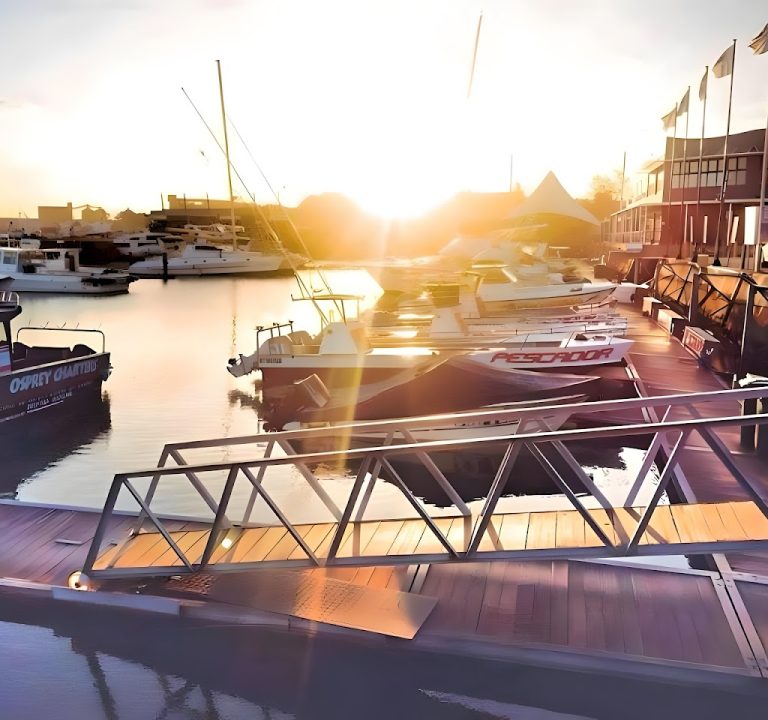
When planning day-to-day activities, consider a mix of beach time, cultural experiences and easy nature excursions. Durban’s attractions span museums, historic districts, botanical gardens, and coastal viewpoints. You might enjoy a stroll along the harbour precinct, explore markets and street food, or venture slightly inland to encounter scenic nature reserves and river valleys. For dining, Durban is known for its multicultural influences, including seafood, Indian-inspired curries and contemporary fusion concepts. If you prefer a relaxed evening, many areas offer a range of family-friendly eateries, stylish cafés and casual bistros with a friendly, welcoming atmosphere. Always check opening times and whether reservations are recommended, particularly in peak travel periods.
Practical tips to help you plan:
- Book in advance during school holidays and major public holidays, especially for popular beachfront areas and larger hotels.
- Check the access and parking arrangements if you are driving, as some central areas can have limited or paid parking.
- Look for properties with clear security measures and accessible 24-hour reception if you are arriving late.
- Evaluate the quality of bedding, air conditioning or heating, and sound insulation to ensure a restful stay, particularly if you are sensitive to heat or noise.
- Confirm whether breakfast is provided and whether there are options for dietary requirements or a quick takeaway for busy days.
Durban combines comfortable stays with a wealth of experiences. Whether you spend your mornings on the beach, afternoons exploring markets and museums, or evenings dining along a vibrantcorridor of eateries, you can tailor your itinerary to your pace. For inspiration and potential stays, you can visit accommodation providers and property websites to compare locations, amenities and guest reviews. A thoughtfully chosen base, close to the coast or in a well-connected suburb, can help you make the most of Durban’s warm climate and welcoming atmosphere.