Durban in KwaZulu-Natal: where to stay, what to see, and how to plan a Durban visit
Durban offers a bright blend of coastal charm, cultural diversity and modern convenience. When planning a stay in this warm-hearted city, there is a spectrum of accommodation options to suit different budgets and preferences—from intimate guest houses and cosy B&Bs to stylish hotels. The key is to choose a neighbourhood that aligns with your plans for days out and evenings of dining and relaxation, while staying mindful of transport links and the level of bustle you want.
Popular areas to consider include the Golden Mile and beachfront precincts for easy access to the promenade, beaches, and family-friendly attractions. The Berea and upper-Durban suburbs offer leafy streets, convenient access to shopping and dining, and a more residential feel. If you’re seeking a beachfront or resort-style stay, areas such as Umhlanga and the northern coastline provide a longer stretch of sands and a range of newer hotels and guest houses. For those interested in a more historic or city-centre vibe, the central and southern Durban suburbs can be convenient bases for exploring markets, cultural sites, and the harbour area.
When looking to book, consider the following practical points. Proximity to the coast typically means a lively atmosphere with longer evenings and opportunities to enjoy the sea air. If you plan day trips into the nearby countryside or along the coast, verify the options for safe car hire or trusted local transport. Durban’s climate is subtropical, with hot summers and mild winters. The wet season runs mainly from October to March, so a light rain plan or flexible activity options can help you make the most of your stay. The city’s businesses and hospitality sector are accustomed to international travellers, and many properties offer helpful guidance on local experiences and transport routes.
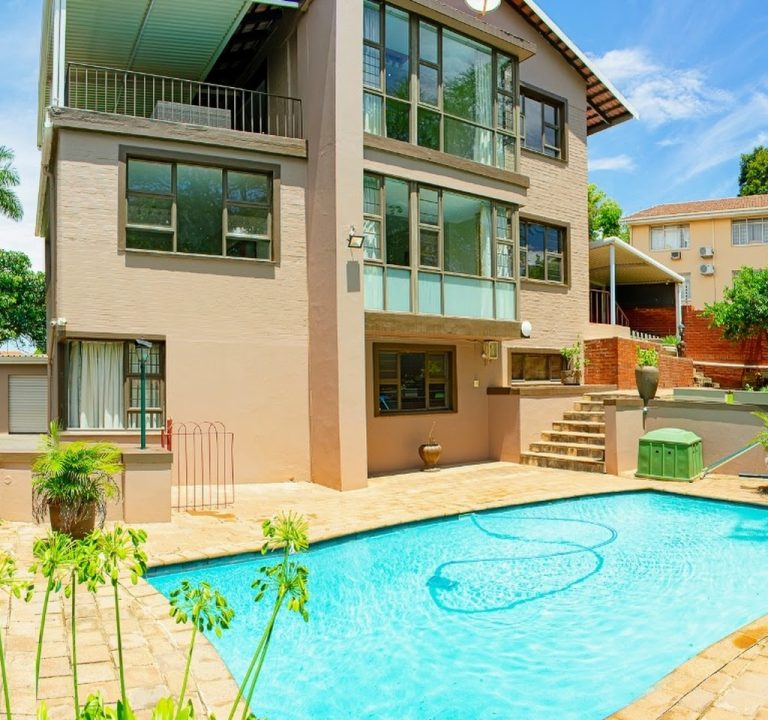
Typical amenities you might expect from a comfortable stay include reliable air conditioning or ceiling fans, free Wi‑Fi, en-suite bathrooms, and a variety of breakfast options. Guest houses and B&Bs often provide a more personalised experience, with the chance to chat with hosts about hidden gems and practical tips for getting around. Some properties might offer secure parking, on-site laundry, or small lounges and terraces where you can unwind after a day of exploring. When you book, read guest reviews for insight into cleanliness, soundproofing, and the responsiveness of hosts or staff. If you prefer self-catering, look for serviced apartments or guest houses with kitchen facilities, plus easy access to local shops and markets for supplies.
Transport in Durban is best planned in advance if you intend to explore widely. Renting a car offers maximum flexibility for day trips to the nearby hills, nature reserves, and coastal towns. For city travel, rideshare services and taxis are commonly used, and some neighbourhoods provide decent walkability or bike paths near the beachfront. The public transport network has its advocates, but many visitors find a car the most convenient way to explore at their own pace, especially if you want to venture beyond the immediate coastal belt.
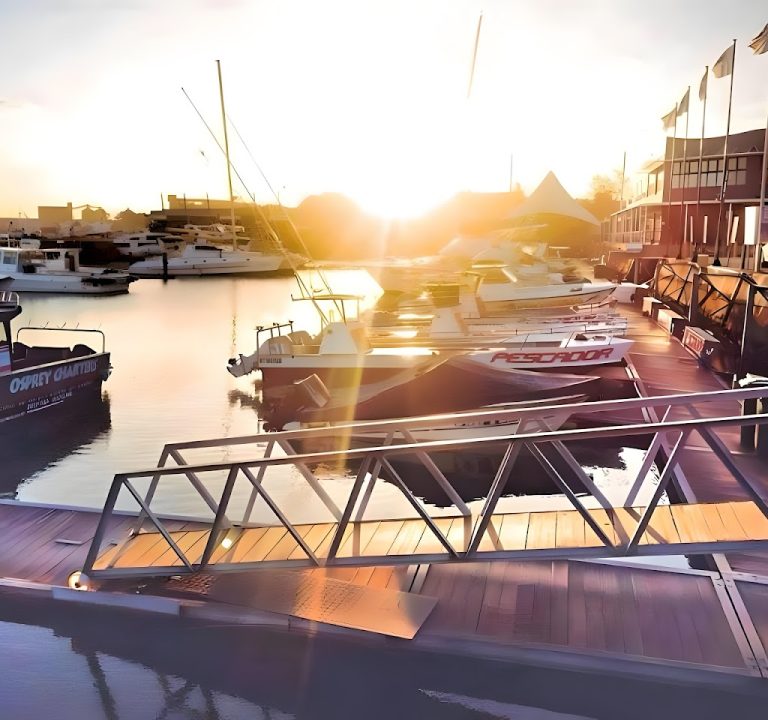
Durban’s attractions run from sunlit beaches to cultural and culinary experiences. On the coast, you’ll find broad promenades perfect for long strolls and sunsets, with safe bathing areas and family-friendly entertainment along the way. The city hosts a number of world-famous aquariums, parks and cultural centres that offer engaging insights into local life and history. For food lovers, Durban presents a mosaic of flavours, from fresh seafood to Indian-influenced and fusion restaurants, reflecting the city’s multicultural heritage. While we avoid naming specific prices or awards, recruiting a knowledgeable host or front desk staff at your chosen accommodation can help you uncover current dining hotspots and must-try eateries that suit your tastes and budget.
A short list of practical planning tips:
- Choose a base that minimises travel time to your main activities (beaches, markets, nature reserves, or city sights).
- Look for properties with good guest reviews on cleanliness, accuracy of listings, and responsiveness of hosts or staff.
- Confirm parking arrangements if you’ll be driving, and check whether the property offers safe access and security features.
- Pack sun protection for day trips and bring a light layer for cooler evenings near the coast.
- Ask about nearby dining options and consider a mix of self-catering and restaurant meals to suit your itinerary.
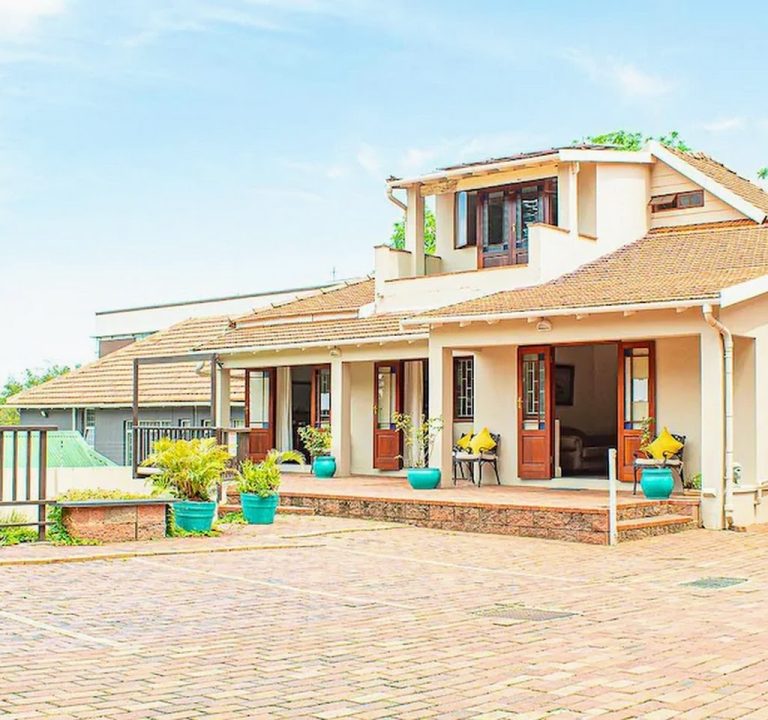
For a recommended stay with a warm, personalised hospitality experience, consider Roseland House, a guest house in Durban. Its website provides practical information and a sense of the welcoming backdrop that many travellers cherish when visiting the city: http://www.roseland.co.za/
In sum, Durban rewards visitors who balance a comfortable base with well-planned days exploring the coast, parks, markets and cultural centres. By choosing the right neighbourhood, confirming essential amenities, and keeping transport flexible, you can enjoy a relaxed pace by the sea and a vibrant urban scene by night. Whether you’re seeking a tranquil beachfront retreat or a lively city-centre stay, Durban’s hospitality ecosystem is well equipped to help you design a memorable South African getaway.