Durban: Accommodation, Attractions and Practical Planning for a Visitor-Friendly Stay
Durban in KwaZulu-Natal offers a vibrant mix of Subtropical coastline, rich cultural experiences and a laid‑back Southern African flavour that makes for a memorable break. When choosing where to stay, consider the rhythm of the city: coastal breezes in the east, leafy residential suburbs to the west, and a lively urban core that stays awake long after sunset. Durban invites guests to slow down and savour the day, whether you are seeking a refined guest house experience or a friendly, home‑from‑home stay.
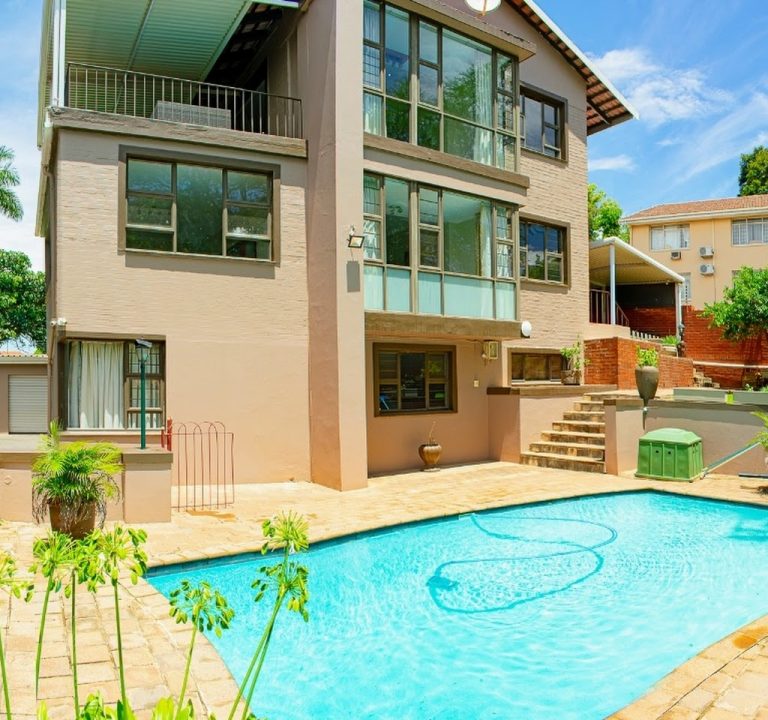
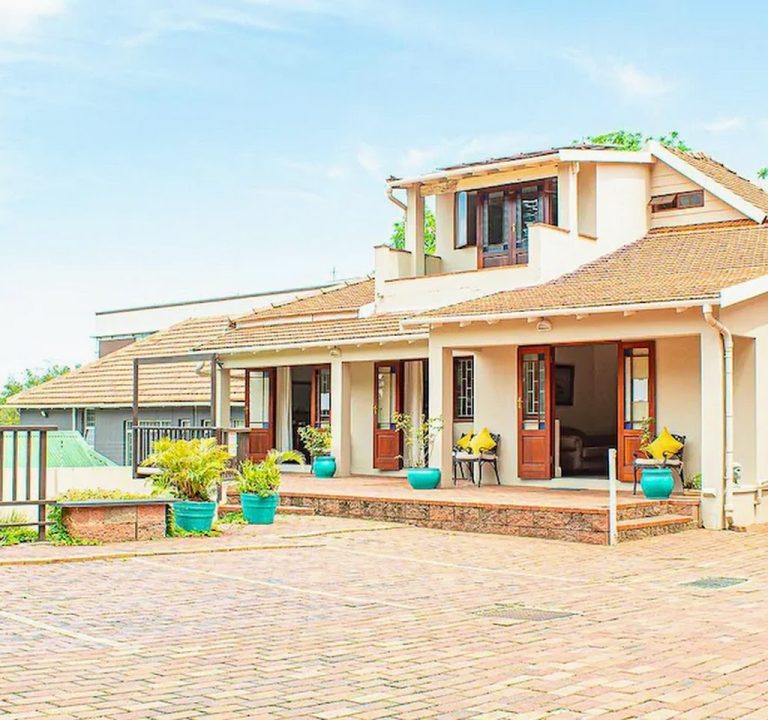
In terms of accommodation, Durban presents a broad spectrum. Guest houses and boutique B&Bs provide intimate settings with personalised service, while larger hotels and lodges near the coast offer more facilities and convenient access to beaches and attractions. For a stay that blends comfort with a sense of place, look for properties that reflect the city’s coastal character and its diverse neighbourhoods. A well‑located option can reduce the need for daily long commutes and give you more time to stroll promenades, wander markets and enjoy sunset skies over the Indian Ocean.
Areas to consider include:
- Golden Mile and North Beach: ideal for sea views, easy beach access and a lively promenade atmosphere. Great for first‑time visitors who want to step straight into Durban’s beachfront energy.
- Umhlanga and Umhlanga Rocks: a polished, family‑friendly neighbourhood with a crescent of beaches, good dining and reliable transport links for day trips up the coast.
- Morningside and Greyville: convenient for accessing the city centre, historic architecture and a range of restaurants, while still being close to coastal routes.
- Windermere and Glenwood: quieter residential vibes with easy access to shops, cafes and parks, suitable for travellers seeking a more relaxed base.
When booking, look for essential amenities aligned with a traveller’s practical needs. A comfortable bed, adequate storage, reliable hot water, air‑conditioning or fans for Durban’s warm climate, and good security are fundamentals. If you’ll rely on public transport or private transfers, ask about on‑site parking and easy access to major routes. A guest house with a small kitchen or breakfast service can be particularly convenient, especially if you’re planning to explore local markets and delicatessen eateries. Wi‑Fi reliability is another practical factor for planning day trips or researching local attractions on the move.
Transport in Durban is well connected by a network of routes that distance you from the day‑to‑day stresses of driving in a new city. Renting a car offers the greatest freedom to explore both the coast and the rolling hills inland, but taxis, ridesharing apps and organised tours are reliable alternatives. Proximity to major thoroughfares and public transport stops can save time, especially when coordinating visits to the beachfront, harbour precincts or popular markets. If you intend to venture beyond Durban’s immediate surroundings, choose a base within convenient reach of highway access and major arterials.
Best time to visit Durban tends to be during the warmer months, when long beach days and outdoor markets align with the city’s outdoor culture. However, Durban’s subtropical climate can offer pleasant conditions outside peak season, with fewer crowds and more comfortable temperatures for city sightseeing, inland hill routes and cultural experiences. If you plan to attend outdoor events or seasonal markets, consider the local weather patterns and prepare accordingly with light clothing, sun protection and layers for cooler evenings.
Durban’s attractions fall into a few broad veins: coast and sea life, culture and history, and the green hills that surround the city. On the coast, long stretches of beaches, promenades and family‑friendly recreation spaces make days easy and enjoyable. Inland, you’ll find botanical parks, hill vistas and nature reserves where nature walks and scenic viewpoints provide a refreshing contrast to the salt air. The city’s cultural pulse can be felt in neighbourhood markets, galleries and historic districts, where you can learn about local crafts, cuisines and traditions in relaxed settings. For meals, Durban’s restaurant scenes range from casual beachfront cafes to stylish eateries offering modern takes on South African flavours—great for sunset dinners after a day of exploring. While names and prices can vary, the best dining experiences are those that highlight fresh ingredients, bold flavours and a friendly, unpretentious service.
Practical tips for a smooth stay:
- Pack sun protection for day trips and a light jacket for cooler evenings near the coast.
- Plan a balanced itinerary that mixes beach time with cultural experiences and nature outings.
- Check the proximity of your accommodation to preferred transport options and key sites to minimise daily travel time.
- Confirm breakfast or meal arrangements in advance if you have dietary requirements or specific timings.
- Respect local customs and look out for areas that are better suited to pedestrians rather than high‑traffic roads.
Durban remains an inviting gateway to KwaZulu‑Natal, balancing sunshine, sea air and a rich heritage. A well‑chosen guest house or boutique stay can anchor your visit, while a thoughtfully planned itinerary will help you make the most of this dynamic city and its welcoming people. For more ideas on where to stay and how to plan, consider visiting official tourism resources and browse credible travel guides that highlight Durban’s diverse neighbourhoods and experiences. Discover a stay that feels like a home from home, and you’ll leave with memories of a soulful coastal city that invites you back.