Durban: Where to Stay and What to Do in KwaZulu-Natal’s Coastal Tradewind
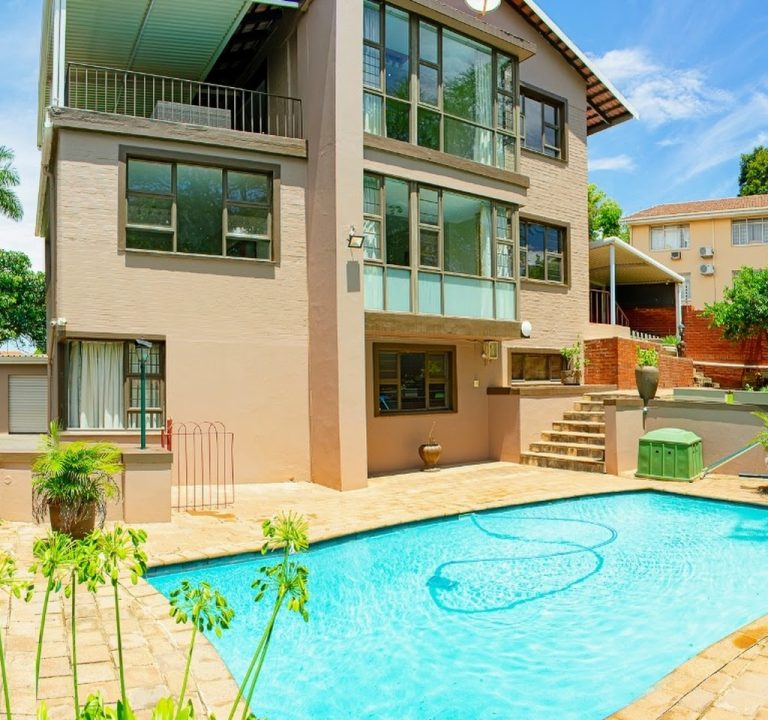
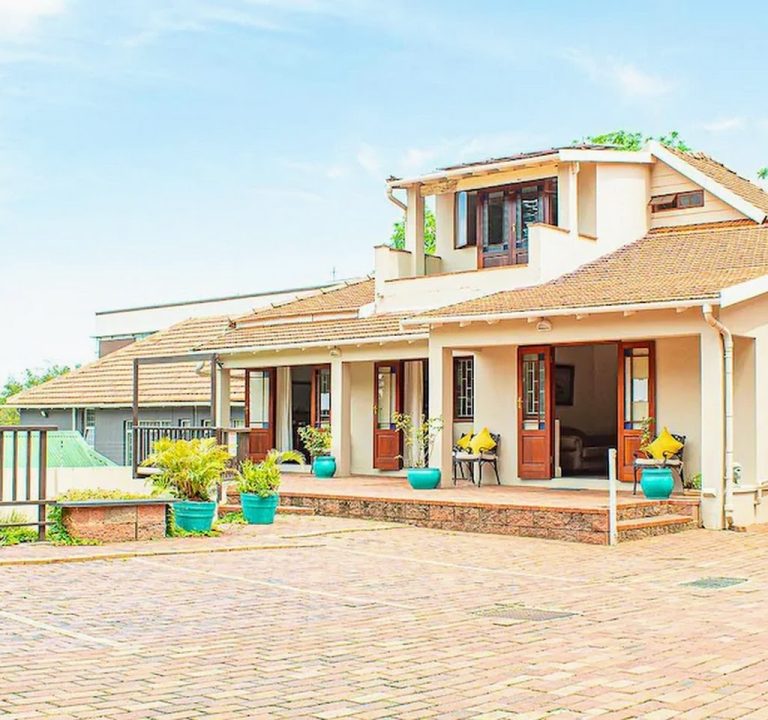
Durban’s warm subtropical climate, bustling beachfronts and leafy suburbs offer a broad range of accommodation styles—from intimate bed & breakfasts tucked away on quiet streets to stylish boutique hotels perched near the Golden Mile. When planning a stay in this vibrant port city, consider the vibe you want: a relaxed family break, a chic getaway, or a centrally placed base to explore the surrounding KwaZulu-Natal coastline and inland highlights. Durban is well served by a mix of guesthouses, B&Bs, hotels and lodges, with options suited to different budgets and preferences.
Areas to consider include the beachfront stretch, where properties benefit from easy access to the promenade, beaches and the Suncoast entertainment district. A stay in the central business district or the fashionable Point Waterfront area offers proximity to markets, eateries and cultural venues, while neighbourhoods such as Morningside, Glenwood and Umhlanga deliver a more residential, leafy feel with convenient access to amenities and transport links. If you’re seeking a quieter base with direct beach access, look to sheltered coves and residential pockets a short drive from the main beaches. When evaluating accommodation, think about proximity to the places you want to visit, as Durban’s traffic can be congested at peak times and on busy coastal routes.
Typical amenities to look for include reliable Wi‑Fi, secure parking if you’re driving, and breakfast options—often a signature feature of B&Bs and guesthouses. Many properties in Durban offer en suite bathrooms, air conditioning or ceiling fans, and communal spaces such as verandas or gardens where guests can relax after a day of exploring. If you’re travelling with family or a group, you may find self-catering suites or apartment-style rooms particularly convenient. For business travellers or those seeking a touch of luxury, some hotels provide work desks, business lounges, and wellness facilities such as pools or spa services. Always confirm policies around check‑in times, late arrivals, and whether breakfast is buffet, plated, or sourced from local markets.
Durban’s climate means the best time to visit is during the warmer, drier months when outdoor activities are most enjoyable. The city experiences a subtropical climate with humidity and summer thundershowers possible, so plan for bursts of sunshine even in the shoulder seasons. If you’re visiting for surfing, swimming and outdoor markets, the late spring through autumn period tends to be popular. Off-peak periods can offer quieter streets and better value for accommodation, with similar access to the city’s coastal attractions and natural scenery.
Booking tips to help you secure the right stay:
- Read guest reviews with a focus on real experiences such as noise levels, staff responsiveness, and consistency of breakfast service.
- Check the cancellation policy and whether there are flexible options in case plans change.
- Ask about parking arrangements and access to public transport or ride-hailing options, especially if you’re staying near the beachfront or in the city centre.
- Consider a property with spillover value—e.g., a guesthouse with a balcony, garden or communal lounge where you can meet fellow travellers.
- Look for properties that partner with local businesses to offer authentic recommendations for eateries, markets, and day trips.
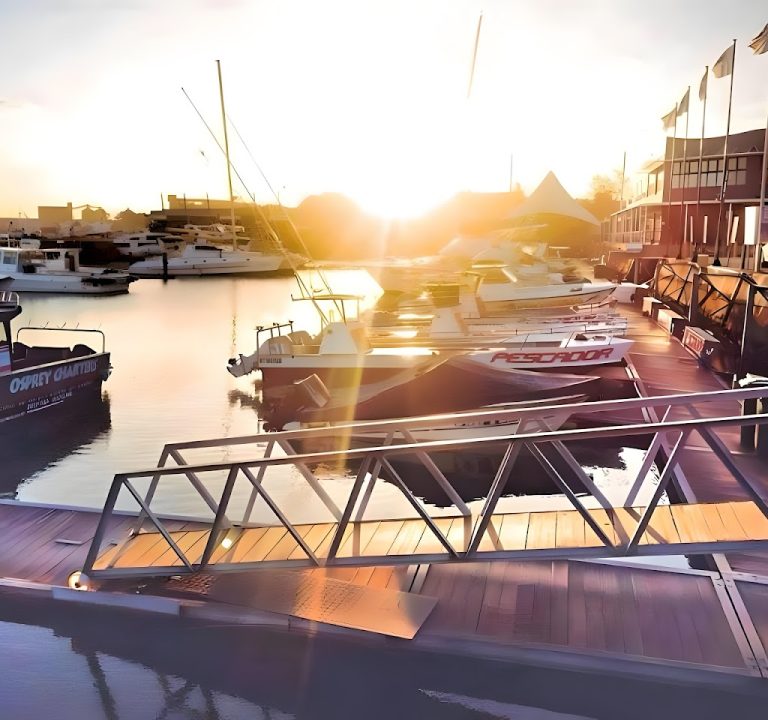
When planning your itinerary, balance time by the coast with a few inland excursions. Durban’s coastline is peppered with wide sandy beaches, promenades, and tidal pools that are family friendly and great for long, leisurely walks. A visit to a local market or craft hub offers a chance to sample regional foods and buy handcrafted wares. For a relaxed day, consider wandering the waterfront precinct, with its mix of eateries, cultural displays and scenic views. For nature and wildlife enthusiasts, day trips to nearby protected areas reveal forests, wetlands and panoramic viewpoints that are easily accessible from the city.
Food and drink in Durban reflect its diverse culture. Expect a vibrant dining scene ranging from casual beachfront cafés to modern restaurants offering contemporary menus with local flavours. When choosing dining options, you’ll often find reliable breakfast choices at B&Bs and guesthouses, plus the opportunity to pair meals with local fruits, seafood and regional staples sourced nearby. If you’d like to explore further afield, several reputable tourism websites and local guides provide curated restaurant and dining suggestions aligned with different budgets and tastes.
Practical tips for a smooth stay: book ahead in peak holiday periods, particularly around school holidays and major event weekends. Pack sun protection, a light rain layer for the occasional shower, and comfortable walking shoes for longer street explorations. If you’re driving, map routes in advance and allow extra time for traffic around the beachfront and city centre during busy mornings or evenings. Always check the property’s directions and access details before arrival, especially if you’re staying in a quieter residential pocket or a B&B with a unique gate or alley entrance. For a fuller Durban experience, combine your lodging with a mix of coastal days and cultural or nature-based excursions, returning to your chosen base to recharge and plan the next day’s adventures.
Useful sources for planning your stay include official tourism portals and city guides, which offer practical information on areas to explore, transport options, and seasonal suggestions. For more ideas on accommodation styles and Durban’s visitor experiences, you can visit official tourism and travel sites that focus on KwaZulu-Natal and South Africa as a whole. The city’s hospitality scene traditionally emphasises hospitality and hospitality-led experiences, with many properties operating as welcoming hubs for travellers seeking a comfortable base from which to discover Durban’s coastal charm and inland landscapes.