Durban: Accommodation, Attractions and Planning Your Stay
Durban, perched on the subtropical coast of KwaZulu-Natal, offers a vibrant mix of beachfront charm, lush hinterland scenery and a growing range of traveller‑friendly places to stay. When planning a visit, consider which neighbourhood best fits your pace and interests: the bustling Golden Mile and beachfront precincts for sun and sea, the leafy central and Berea areas for heritage architecture and easy access to amenities, or the atmospheric coastal villages and inland townships that offer cultural flavour and local dining.
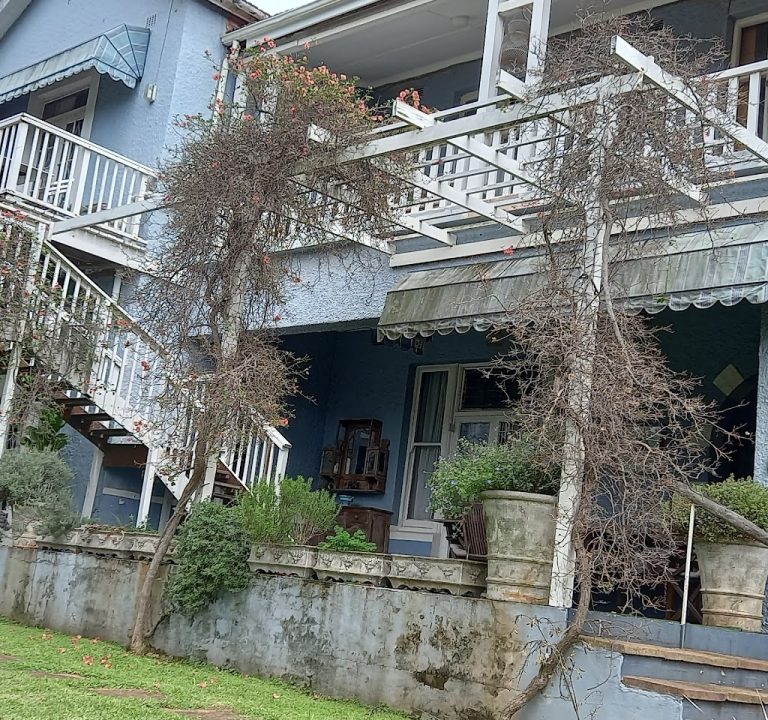
For accommodation, Durban presents a spectrum from luxury hotels and stylish boutique properties to reliable guesthouses and self‑contained apartments. A boutique option such as Villa Picasso can provide a calm centrepiece with personalised service and characterful design, useful if you value a more intimate atmosphere without sacrificing comfort. When researching, look for properties that clearly describe room types, accessibility (including lifts or ground‑floor options if required), and practical features such as reliable air‑conditioning, strong Wi‑Fi, in‑room storage, and guest lounge or outdoor spaces.
What to look for when booking
- Location: Proximity to the beach, major attractions, and convenient transport links (such as arterial routes and taxi or rideshare access) will save time and stress.
- Room configuration: For groups or families, check for multiple bedrooms, kitchen facilities, or adjoining rooms.
- Amenities: In addition to en‑suite bathrooms, consider whether there is a pool, secure parking, laundry facilities, or on‑site dining.
- House rules and flexibility: Policies on cancellations, check‑in times, and guest numbers can affect plans, especially for longer stays or weekend breaks.
- Reviews and consistency: Stay attentive to recent feedback about cleanliness, staff helpfulness, and accuracy of listings.
Typical amenities you might expect
- Comfortable en‑suite rooms with quality bedding and climate control.
- Reliable Wi‑Fi, workspaces or desk areas for those combining travel with light work.
- On‑site or readily accessible dining options, or close-by cafés and eateries.
- Access to social spaces such as shared lounges, gardens, or rooftop terraces.
- Security features including well‑lit entrances and restricted access, plus convenient parking.
Transport and getting around
Durban’s transport options help shape how you spend your days. The beachfront corridor and central districts are walkable to many attractions, while a rental car provides flexibility to explore the wider KwaZulu‑Natal coast and inland attractions. Taxis and rideshare services are common, though it’s wise to arrange airport transfers or a driver if you plan day trips. If you plan to visit remote coastal villages or nature reserves, a car becomes especially practical. For those who prefer public transport, ask your accommodation about nearby bus routes or organised tours that can simplify scheduling.
Best time to visit
Durban enjoys a warm climate most of the year, with plenty of sunshine that suits outdoor activities. The peak beach season runs through the Southern Hemisphere summer, from November to February, when sea swims are inviting and events flourish along the coast. Winter, from June to August, is mild by many standards and a good period for enjoying wildlife or inland excursions with pleasant conditions. For those seeking cultural festivals and gastronomic scenes, check local calendars in advance to align your stay with events.
Practical tips for travellers
- Poolside and beach safety: Observe local guidelines for water activities, and keep an eye on children near pools and shorelines.
- Sun protection: Durban’s sun can be strong year‑round; pack sunscreen, hats and light breathable clothing.
- Water and electricity: Shortages can occur in some areas; carry a reusable water bottle and be mindful of energy use during peak times if your accommodation advises.
- Dining choices: The city offers diverse dining scenes—street food markets, casual seaside eateries, and refined dining rooms. If you’re exploring on foot, ask staff for nearby suggestions to avoid long evening walks.
- Respectful travel: Durban’s rich cultural tapestry includes communities with distinct traditions. Engage respectfully, ask for guidance when unsure about local practices, and support community‑led tourism where possible.
Attractions and experiences (broad strokes)
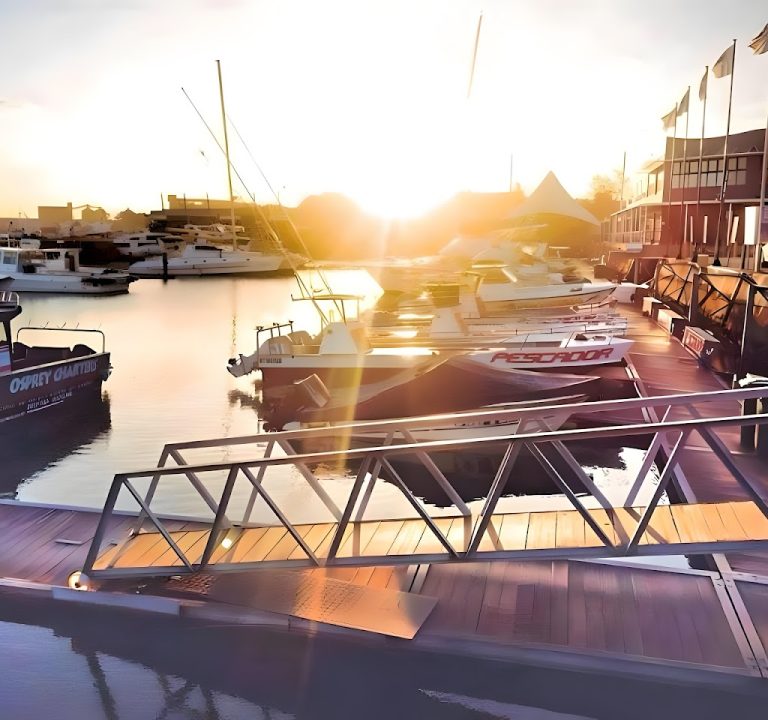
- Beachfront strolls, seafront promenades and sunset viewpoints are central to Durban’s appeal. A day by the shore can be complemented by a relaxed meal with sea views.
- The city’s natural settings invite excursions to parks and reserves, where opportunities range from wildlife spotting to scenic drives and coastal hikes.
- Cultural and historic corners—with architecture and museums—offer insight into Durban’s layered past and contemporary vitality.
- Food and drink experiences sit at the heart of Durban’s social life: markets, casual cafés, and waterfront restaurants provide a sense of place and a chance to sample regional flavours and hospitality.
Restaurants and cuisine
Durban’s culinary scene blends coastal seafood traditions with Indian and African influences, resulting in a rich and varied dining landscape. You’ll find everything from casual eateries with traditional fare to contemporary venues emphasising local ingredients. While exact menus, prices and accolades change, expect offerings that prioritise fresh seafood, fragrant spice blends, and dishes that reflect the region’s diverse communities. When choosing where to eat, consider proximity to your lodging to maximise time for relaxation or exploration.
A balanced Durban stay blends comfortable, well‑located accommodation with days spent exploring beaches, markets, parks and heritage streets. With careful planning around where you stay, how you move around, and what you wish to experience, Durban can offer a memorable South African coastal break that feels both calm and energising. For inspiration and planning, you might start with official tourism references or reputable travel guides and then tailor your itinerary to a pace that suits you.