Durban: Where to stay, what to do, and how to plan a memorable visit
Durban offers a vibrant mix of beaches, cultural sites, and dining scenes that make it a compelling destination for travellers seeking warmth, flavour, and style. When planning a stay, consider a few core ideas to maximise your time and comfort: choosing the right neighbourhood, selecting accommodation with practical amenities, and pairing your downtime with easy access to the city’s highlights.
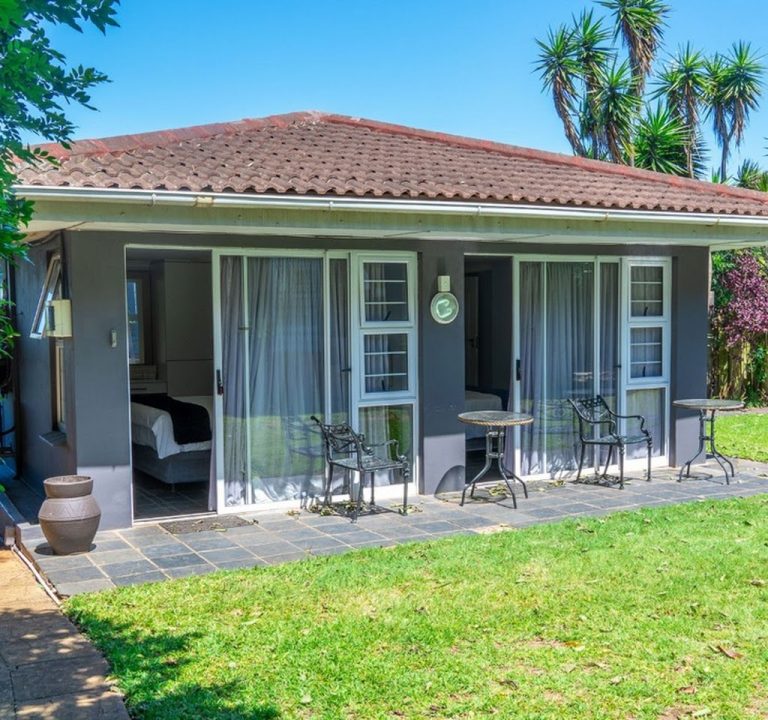
For accommodation, Durban’s options range from characterful guest houses to modern hotels and boutique stays. If you value a homely atmosphere and personalised service, a guest house tucked away in a leafy suburb or near the beachfront can feel like a home from home. Durban coastal suburbs such as the Golden Mile and Point precinct offer quick access to the sea, while central districts place you within easy reach of markets, museums, and restaurants. A guest house in a quieter residential area can provide a restful base after busy days of exploring.
When choosing where to stay, look for a few key features. A comfortable bed, reliable Wi‑Fi, and air conditioning or effective ventilation are particularly important in Durban’s warm months. If you’re travelling with family or a small group, check for options like extra blankets, a kitchenette, and private entrances. Practical touches such as secure parking, easy check‑in/check‑out, and friendly staff who can offer local advice can significantly elevate the experience. If you plan to self‑drive or use public transport, consider locations with convenient access to main routes and taxi or ride‑hailing pickup points.
Transport in Durban is straightforward but needs a little planning. The city’s coastline is well served by beaches and promenades, while the inland areas are linked by a network of roads and some bus routes. If you’re staying near the coast, you’ll likely benefit from a short Uber or taxi ride to most attractions. For day trips further afield—such as inland nature reserves or neighbouring towns—having access to a rental car can be advantageous. When booking, ask about proximity to major bus stops or rail stations, and whether the guest house offers shuttle services or can arrange transportation on request.
Best time to visit Durban depends on your priorities. The city enjoys a subtropical climate, with warm summers and mild winters. Summer (roughly December to February) brings sea breezes and outdoor events, but it can be humid and occasionally rainy. Winter (June to August) shouldered by comfortable daytime temperatures, can be pleasant for city exploration and beach walks in the sun. Shoulder seasons often provide a balance of pleasant weather and more relaxed crowds. If you’re keen on swimming, keep an eye on local seasonal patterns and any weather advisories affecting the coast.
Practical planning tips for a Durban stay
- Plan a balanced itinerary that combines beach time with cultural experiences and dining.
- Book accommodation near a neighbourhood that matches your style, whether that is a laid‑back coastal vibe or a lively urban scene.
- Check whether your choice includes breakfast or if you’ll need to budget for morning meals elsewhere.
- Confirm Wi‑Fi reliability for work or streaming, especially if you’ll be staying for several nights.
- Look for guest houses that can offer local recommendations for experiences, markets, and day trips.
Durban boasts a diverse culinary landscape that blends Indian, African, and coastal influences. In broad terms, you can expect curry and seafood favourites on many menus, with fresh produce and vibrant flavours shaping the city’s casual and fine dining offerings. For visitors, a food‑friendly plan often works well: set aside a day or two for casual meals along the beachfront or in markets, and reserve evenings for more relaxed dining in areas known for a mix of eateries. When researching places to eat, you’ll find options ranging from traditional South African dishes to modern interpretations, with most venues happy to tailor dishes to dietary preferences.
As for activities, Durban’s coast invites sun and surf, while its inland attractions offer nature and culture. A stroll along the promenade can be a refreshing way to start the day, followed by a longer walk on the sand or a dip in the sea when conditions allow. Museums and cultural centres provide insight into the region’s history and contemporary arts. Markets, galleries, and craft stalls offer local goods and a taste of Durban’s creative energy. For families and nature lovers, nearby parks and reserves provide opportunities for hiking, birdwatching, or scenic viewpoints. When planning your days, consider a mix of outdoor time and indoor experiences to counterbalance heat or rain with enjoyable indoor spaces.
Accommodation examples, such as D’Urban Elephant, can serve as friendly bases within Durban’s broader tapestry. For more information about specific stays, you can visit their site at D’Urban Elephant to learn about location, room options, and guest services. Remember that even standout properties benefit from proactive planning: reading guest reviews, confirming accessibility features, and understanding cancellation policies helps you book with confidence.
If you crave a well‑rounded Durban visit, combine a comfortable base with a flexible plan. By prioritising neighbourhood character, essential amenities, and accessible transport, you can enjoy a varied itinerary that highlights both the coast and the city’s rich culture and cuisine. Durban welcomes visitors with warmth—and a well‑structured stay helps you make the most of every moment.