Durban: A Traveller’s Guide to Accommodation, Attractions and Dining
Durban, on KwaZulu-Natal’s sunny coast, offers a blend of warm Indian Ocean rhythms, leafy suburbs and a coastline that invites long walks and robust surf. When planning a stay, the city presents a range of accommodation styles—from stylish guesthouses and self-catering lodges to contemporary hotels and family-friendly lodges. Your choice often comes down to the neighbourhood you’d like to base yourself in, the pace you want, and how close you want to be to the sea, city sights, or the inland hills.
Neighbourhoods to consider include the bustling Golden Mile and the central beachfront area for easy beach access and a lively urban feel, the wind-swept Berea for classic Durban homes and easy access to shops, and the upmarket coastal towns such as Umhlanga and La Lucia if you prefer a more resort-like atmosphere with pristine beaches and well-planned walkways. For a taste of culture and nature, the inland and near-suburban routes offer alternative bases with easy access to valleys, rivers and wildlife experiences. If you’re travelling with family or a group, self-catering lodges or guesthouses can provide flexibility, space and value, with kitchens or kitchenettes that allow for seasonal cooking and relaxed mealtimes.
Durban’s accommodation tends to feature practical comforts: reliable housekeeping, comfortable beds, a decent in-room workspace for planning day trips, free Wi-Fi, secure parking (where available), and easy access to transportation links. If you’re seeking convenience for a seaside break, look for properties with close proximity to the promenade, a pool, and sheltered outdoor spaces for al fresco dining on warm evenings. For those chasing a more immersive stay, consider lodges or guesthouses that offer a home-from-home vibe, with helpful hosts who can point you to local eateries, markets and walking routes.
Planning transport around Durban is straightforward, though it helps to have a plan. The city has a coastline-focused transport network, and many lodgings in popular areas offer parking or easy access to taxis, rideshare services, or local bus routes. If you’re keen to explore beyond the promenade, renting a car gives you maximum flexibility to reach inland attractions, nature reserves and towns within KwaZulu-Natal. For shorter hops, trusted taxi services or ride-hailing apps are reliable options, especially in the evenings after a day of sightseeing. If you prefer public transit, ask your host or accommodation for the best routes to major sights and the city centre, and check any updated timetables in advance.
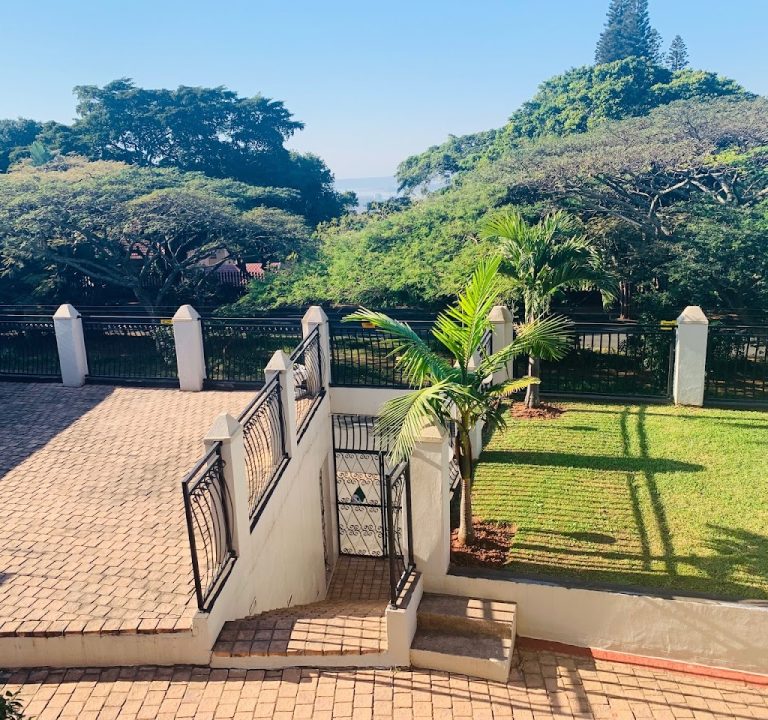
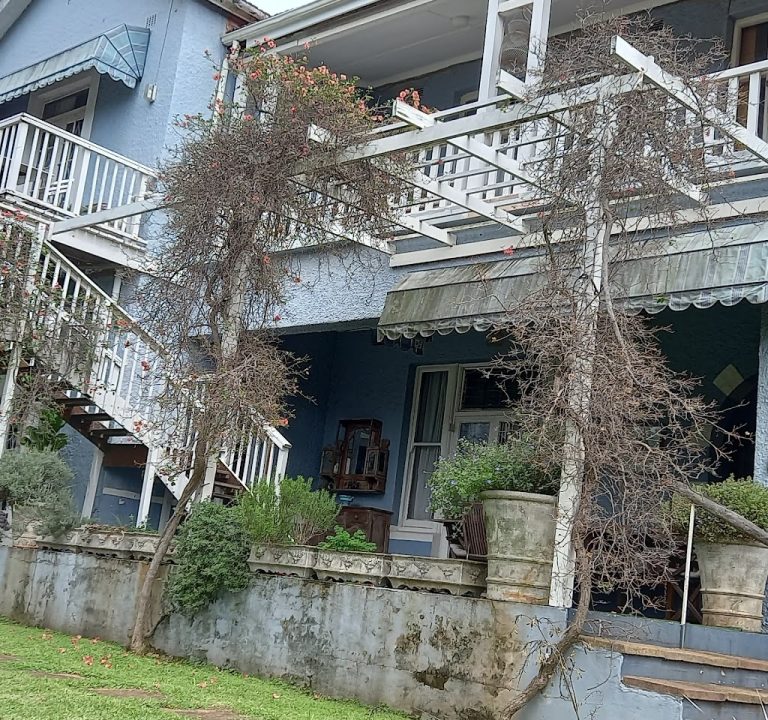
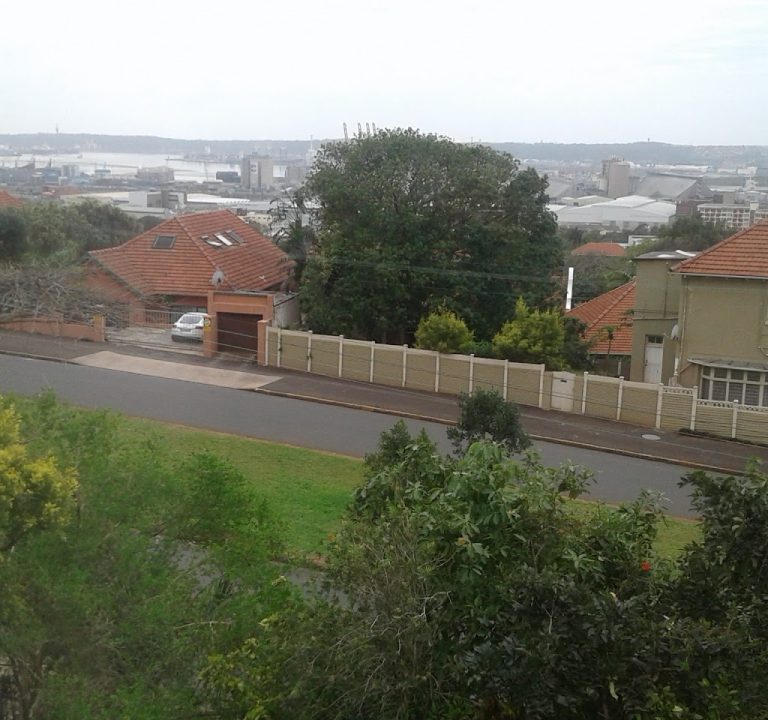
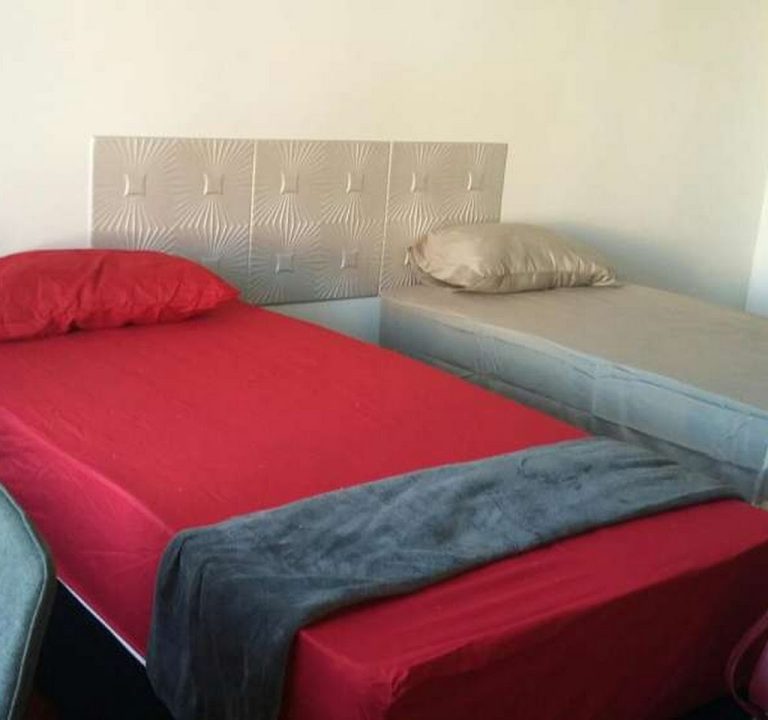
One lodging example to consider is Mbalenhle Guest House (Self Catering). This type of accommodation illustrates the growing popularity of self-catering options that combine privacy with convenient access to Durban’s attractions. Self-catering stays are especially practical if you’d like to sample regional markets, cook fresh seafood or enjoy a relaxed breakfast before a day of exploring.
Where to base your stay can shape your trip. In the central area near the promenade, you’ll be within strolling distance of the beach, restaurants and cultural hubs. If you prefer a more relaxed pace, a beachside or suburban setting with greenery and easy access to both coastal paths and inland drives can be ideal. For first-time visitors, staying within a short drive of the city centre or the beachfront helps reduce transit time and allows you to pack more into each day. Booking engines and host hosts often provide practical notes on access, quiet hours and on-site facilities, so pay attention to details such as shuttle services, the availability of cooking facilities, and whether a pool or garden area is included in your rate.
Best time to visit Durban aligns with its subtropical climate. The city enjoys warm summers with occasional rain from November to March and drier, milder winters from May to September. For outdoor activities such as beach days, coastal walks, and mountain or valley excursions, late spring and autumn offer pleasant temperatures and lower humidity. If you’re drawn to events or festivals, check local calendars in advance since Durban hosts a variety of cultural and sporting happenings throughout the year, which can influence availability and pricing of accommodation.
What to look for when you book a place in Durban:
- Location relative to the beaches, city sights, and transport links
- Self-catering facilities if you prefer cooking at home during your stay
- Guest amenities such as a pool, outdoor spaces, reliable Wi-Fi and laundry facilities
- Safety features and secure parking options
- Host or property reviews and the accessibility of staff for local tips
Dining and experiences in Durban can complement your stay beautifully. The city is known for its vibrant hotel and guesthouse dining scenes, casual cafés along the coastline, and busy markets where you can sample fresh produce and regional flavours. For a flavourful day out, consider wandering to neighbourhoods with a concentration of eateries and small restaurants, where you can try a variety of dishes prepared with coastal ingredients and warm Indian Ocean influences. While specific restaurant names and prices evolve, look for places with good value, friendly service, and an emphasis on fresh, locally sourced ingredients.
Finally, practical tips to help you enjoy a smooth visit: confirm your pickup or arrival arrangements in advance, pack light if you’ll be moving between areas, and plan a flexible itinerary to accommodate weather changes. Durban’s charm lies not only in its beaches but also in the hills, parks and markets that line its streets. With thoughtful planning, a comfortable base, and a dash of curiosity, you can craft a stay that captures the spirit of this sun-dappled, culturally rich city. For more ideas and practical planning resources, you can explore Durban’s official tourism and city information online.