Durban: A Traveller’s Guide to Stay, Eat and Explore in KwaZulu-Natal
Durban, a vibrant city on the KwaZulu-Natal coast, blends subtropical climate, golden beaches and a rich mix of cultures. Whether you are travelling solo, as a couple or with family, the city offers a range of accommodation styles from intimate bed & breakfasts to modern hotels and beachside lodges. When planning a stay, consider the neighbourhoods, your preferred pace, and how easy it is to access the city’s many attractions and dining options.
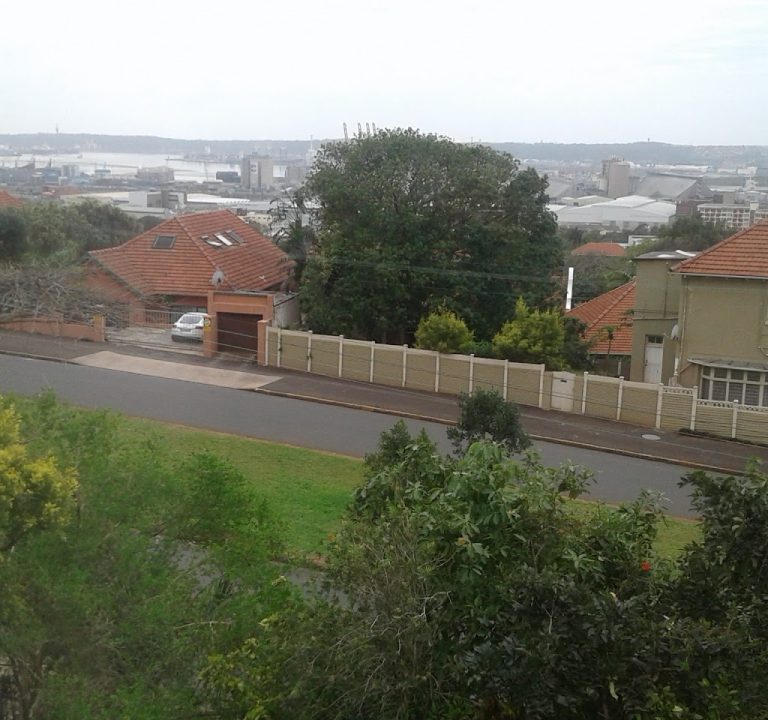
Areas to consider for a balanced Durban experience include the beachfront precincts, the historic and leafy central wards, and the inland suburbs that provide easier access to both nature and business districts. The beachfront is ideal for those who want immediate access to the sea, promenade walks, and a lively atmosphere, while central areas are convenient for exploring markets, museums and a broader choice of restaurants. If you prefer a quieter retreat with a touch of residential charm, look for guesthouses or boutique hotels in inland neighbourhoods that offer garden spaces and easy taxi or rideshare connections to the city centre.
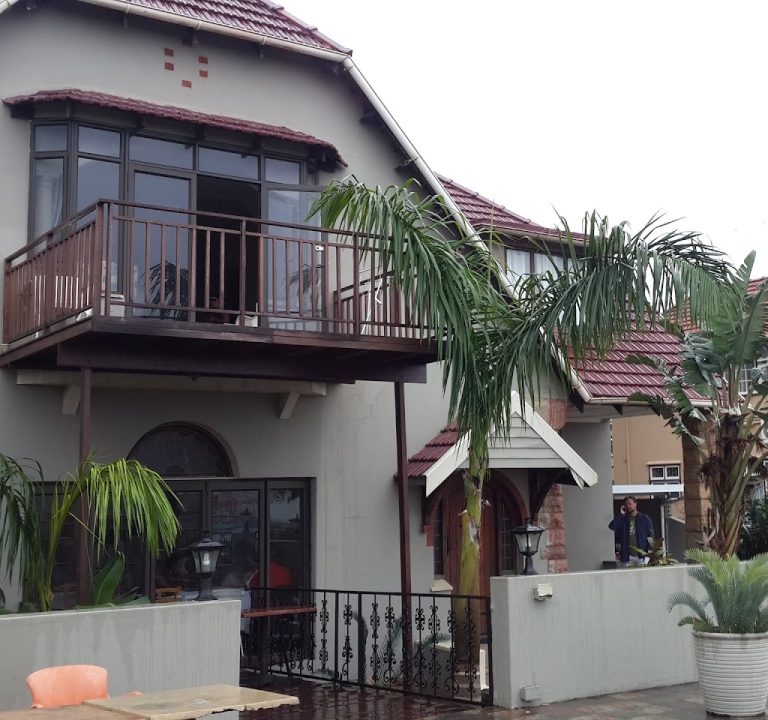
For Manning Mews or similar bed & breakfast stays, you can expect a more personal, intimate experience. B&Bs in Durban often emphasise welcoming service, locally sourced breakfasts, and well-appointed rooms in a calm setting. When booking, look for clear guidance on self-catering options, private entrances, secure parking, and ensuite facilities. Reviews can be particularly telling for the friendliness of hosts, the consistency of housekeeping, and the practicality of location in relation to beaches, shops and public transport.
Typical amenities you might encounter include complimentary breakfast, free Wi-Fi, air conditioning or fans, and on-site parking. Some properties offer sister facilities such as access to a pool, courtyard or rooftop terrace, which can be a relief during Durban’s sunny days. For families or groups, family rooms or suites with multiple beds, a kitchenette, and a separate living area can make a stay considerably more comfortable. When travelling on business, you may value a robust work space, reliable connectivity, and convenient access to business districts and conference venues.
Transport is a practical consideration in Durban. The city is served by a network of taxis and rideshare services, and many accommodation providers arrange airport transfers by prior arrangement. If you plan to explore beyond the immediate coast, a rental car offers flexibility, especially for day trips to nature reserves or rural towns around the region. Within the city, proximity to major routes, major shopping centres, and the beachfront promenade can save time and reduce daily commuting stress. Always confirm parking arrangements, access times, and any local parking restrictions before you arrive.
The best time to visit Durban depends on your preferred climate and activities. The city enjoys a subtropical climate with warm summers and mild winters. Summer (November to March) is great for beach days and coastal strolls, though afternoon showers can be common. Winter (June to August) is typically mild and dry, making it pleasant for city sightseeing and hiking in nearby nature reserves. Shoulder seasons, such as spring and autumn, often offer comfortable temperatures and fewer crowds. If you are seeking to combine beach time with cultural experiences, plan a balanced itinerary that includes both waterfront leisure and visits to markets, museums, and neighbourhood eateries.
When planning activities, consider a mix of outdoor experiences, cultural experiences and dining. Durban’s natural setting makes for engaging day trips, such as coastal walks along the promenade, trips to wildlife reserves, or family-friendly outings to beaches with gentle surf and lifeguard supervision. Within the city, you’ll find markets and artisan hubs where you can sample local cuisine and crafts in an informal setting. Museums and galleries provide insight into the region’s history, art and development. For meals, Durban offers a broad spectrum—from modern bistro-style venues to traditional eateries that highlight coastal and Indian-influenced flavours. When deciding where to eat, look for places with good reviews for freshness, atmosphere and accessibility for all guests, rather than focusing solely on price or fame.
Practical tips for a smooth stay:
- Confirm accessibility: check the ground-floor options or lift access if mobility is a concern, and verify room configurations for families or groups.
- Read cancellation policies carefully, especially for peak seasons or events when accommodation demand is high.
- Ask about breakfast options and dietary needs in advance to ensure a comfortable start to the day.
- Request nearby amenities guidance, including supermarkets, pharmacies and petrol stations for longer stays.
- Plan a flexible itinerary that allows for weather changes and downtime by the pool or on the balcony.
Durban’s official tourism portals and city guides offer a wealth of ideas for planning your stay and exploring responsibly. For more ideas on places to stay and things to do, you can visit reputable tourism resources and regional guides online. Remember to check practical travel details in advance, such as transport routes, opening hours for attractions, and whether reservations are recommended for popular restaurants.
Whether you are drawn to the sun-soaked beaches, the cultural infusion of the markets, or the tranquil charm of a well-run bed & breakfast, Durban presents a hospitable backdrop for a memorable KwaZulu-Natal stay. A thoughtfully chosen base will help you make the most of the city’s warmth, landscapes and flavourful hospitality.