Johannesburg Stay and Explore: A Practical Guide to Accommodation and Getting Around
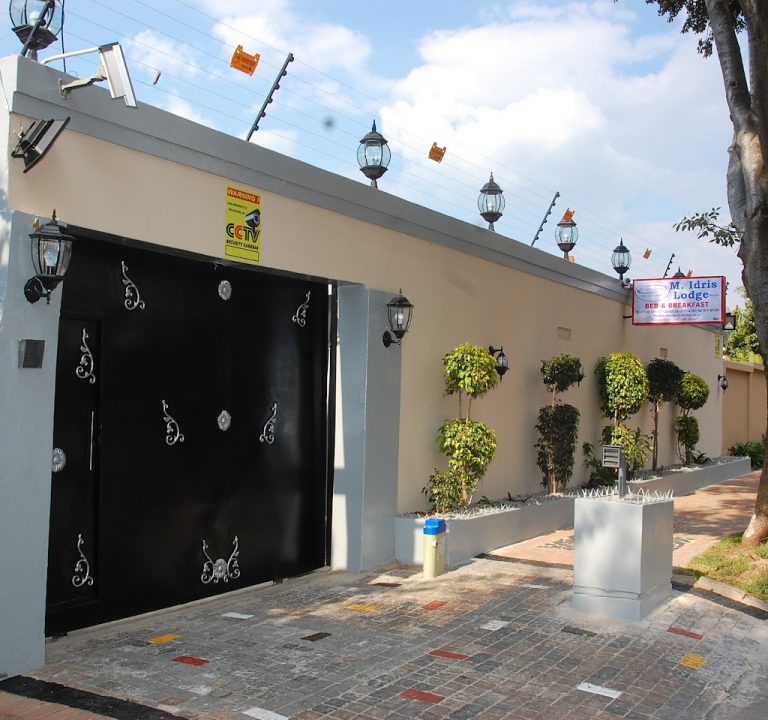
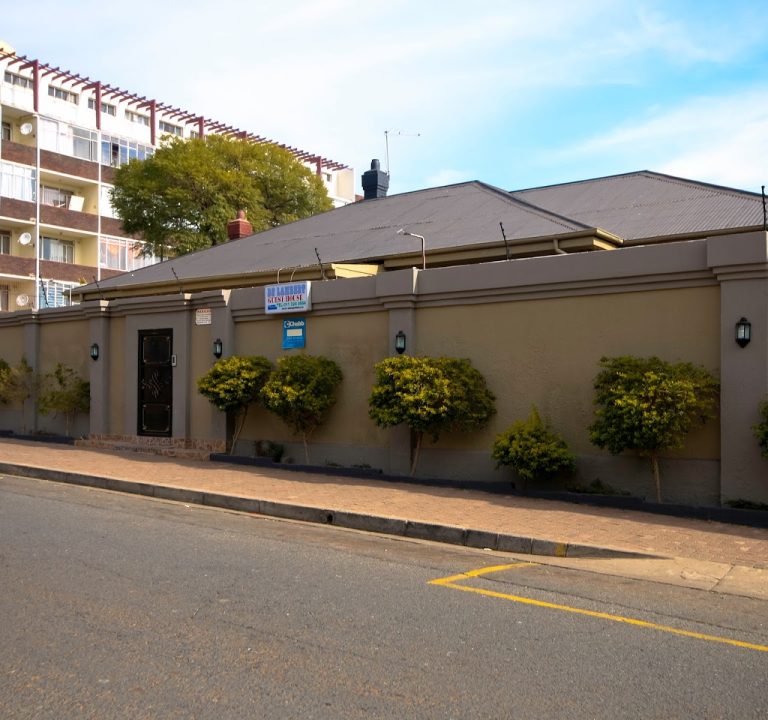
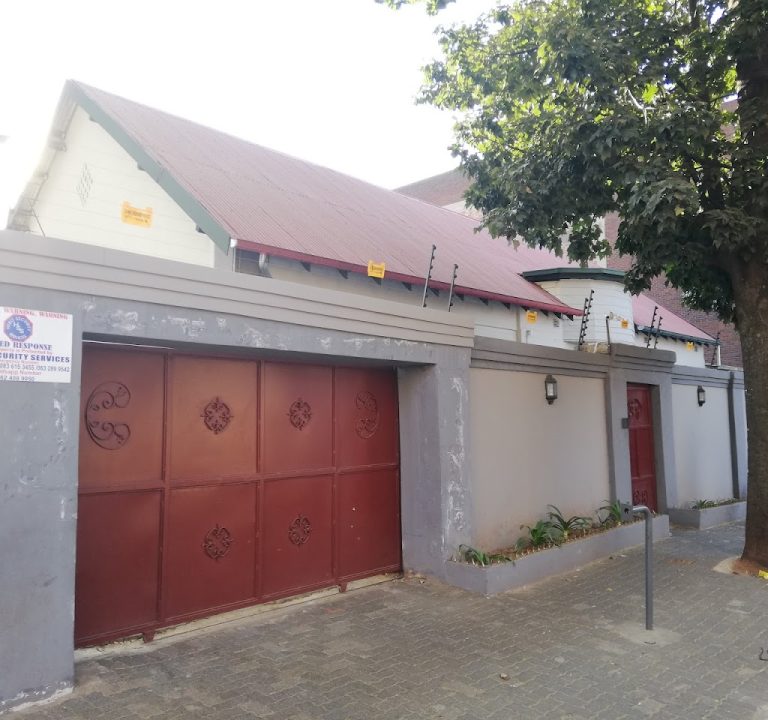
Johannesburg, Gauteng, is a dynamic gateway to South Africa’s interior and a city that blends urban energy with cultural depth. When planning a stay, think about how you want to pace your visit: bustling inner-city districts for nightlife and arts, leafy northern suburbs for easy access to shopping and business hubs, or the historic townships nearby for meaningful excursions. Accommodation ranges from intimate B&Bs and guesthouses to modern hotels and boutique lodges, each offering different flavours of hospitality and convenient access to attractions and transport links.
Areas to consider for your base
The heart of the city offers a platform for museum visits, markets, and efficient access to public transport. If you prefer a quieter backdrop with curated dining and contemporary culture, consider the northern suburbs such as Sandton or Rosebank, where many hotels and guesthouses are within easy reach of business districts, shopping centres, and good road links. For a more heritage-rich experience, a stay near the inner-city precincts or in Soweto can provide proximity to historic sites, street art, and informal eateries. Boutique options, including guesthouses and small B&Bs, are often found scattered across these areas, with some properties offering personalised itineraries or breakfast spreads that showcase local flavours. In all cases, check proximity to Gautrain stations or major bus routes to minimise daily travel time.
What to look for when booking
Consider the following when choosing where to stay:
- Proximity to your planned activities or transport hubs, such as railway stations or major highways.
- Guesthouse character versus hotel convenience, including breakfast service, private entrances, and on-site parking.
- Reviews that mention noise levels, friendly hosts, cleanliness, and practical touches like hot water reliability and reliable Wi‑Fi.
- Accessibility features if needed, and whether the property can assist with arranging local guides or experiences.
Typical amenities you might expect
Many properties in Johannesburg offer a mix of comfortable, practical amenities tailored to travellers. Look for en-suite bathrooms, air conditioning or heating, and secure parking. Wi‑Fi reliability is important for planning day trips or checking maps, while a well-presented breakfast can save time in the morning. Some B&Bs and guesthouses provide self-catering facilities or common living areas where guests mingle, which can be a nice way to get local recommendations from hosts. If you’re driving, confirm parking arrangements and whether there are easy routes into busy districts during peak hours.
Transport and getting around
Johannesburg is well served by road networks and several public options. The Gautrain offers fast links to Pretoria, OR Tambo International Airport, and other hubs in the region, which can be a time-saver if you’re arriving by air or planning day trips beyond the city. Within the city, Uber and other ride-hailing services are widely available, and some areas feature local taxi services. If you’re staying near a station or a main thoroughfare, you’ll find it straightforward to reach cultural venues, shopping districts, and dining precincts. When booking, ask your host or hotel about the best routes for your planned itinerary to avoid delays during peak traffic times.
The best time to visit
Johannesburg experiences a warm-summer climate and a dry season in winter. March to May and September to November often offer pleasant temperatures for exploring outdoor markets and parks without the peak heat of mid-summer. Winter can be cool, especially in the evenings, so pack layers. If you plan to visit nearby nature reserves or take day trips to the vicinity, consider how travel times may be affected by weather or road maintenance in different seasons.
Practical tips for a smooth stay
- Book accommodation with flexible check-in times if your travel plans are subject to change.
- Look for a property with good security, reliable lighting, and convenient access to your planned routes.
- Ask about local dining options and if hosts arrange artisanal breakfasts or nightly recommendations.
- Keep a small local map or offline navigation handy in case mobile signal varies in certain areas.
What to do and where to go (general, not mission-critical details)
Beyond the hotel or B&B, Johannesburg offers a spectrum of experiences. Cultural highlights include museums and galleries that chronicle the city’s history and contemporary creativity, vibrant markets with crafts and street food, and parks or gardens suitable for leisurely strolls. For dining, you’ll find a mix of traditional flavours and modern culinary concepts across different precincts, with menus that often emphasise fresh, regional ingredients. If you’re curious about the city’s broader heritage, guided neighbourhood walks or day-long explorations can provide context and meaningful encounters without requiring extensive planning.
If you’d like a practical starting point, a small-scale option such as a Rose Cottage BnB can offer a homely welcome with personal insights from hosts, coupled with easy access to transit routes and nearby amenities. Always verify current travel advisories, local hours for attractions, and any seasonal events that might enhance your stay.
For further planning and inspiration, official tourism resources and local travel guides can provide updated suggestions on attractions, dining precincts, and seasonal activities. A well-chosen stay in Johannesburg not only offers restful nights but also a springboard for discovering the city’s energy, diversity, and warmth. For more ideas and practical information, you may visit reputable tourism websites or regional visitor centres online.