Johannesburg: Where to stay, what to explore, and how to plan a rewarding visit
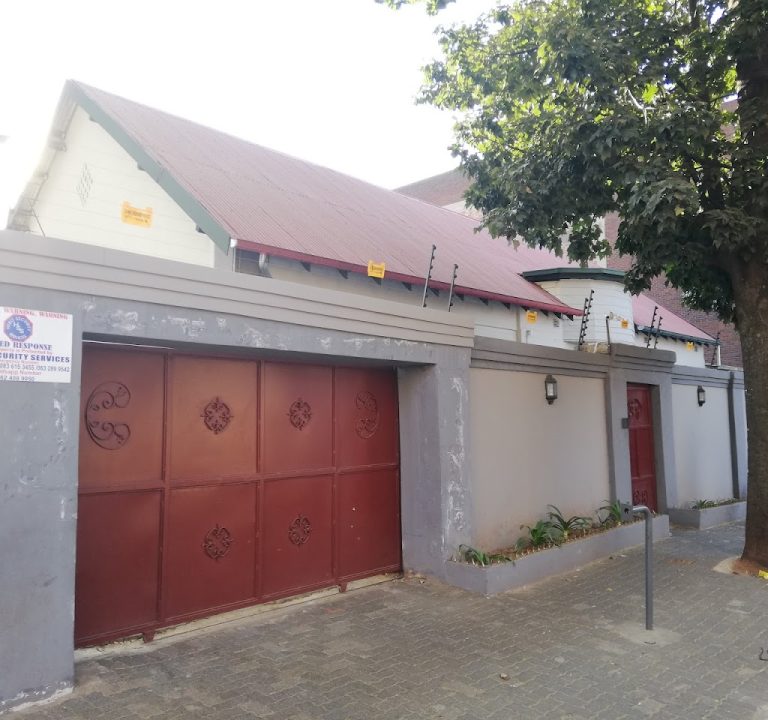
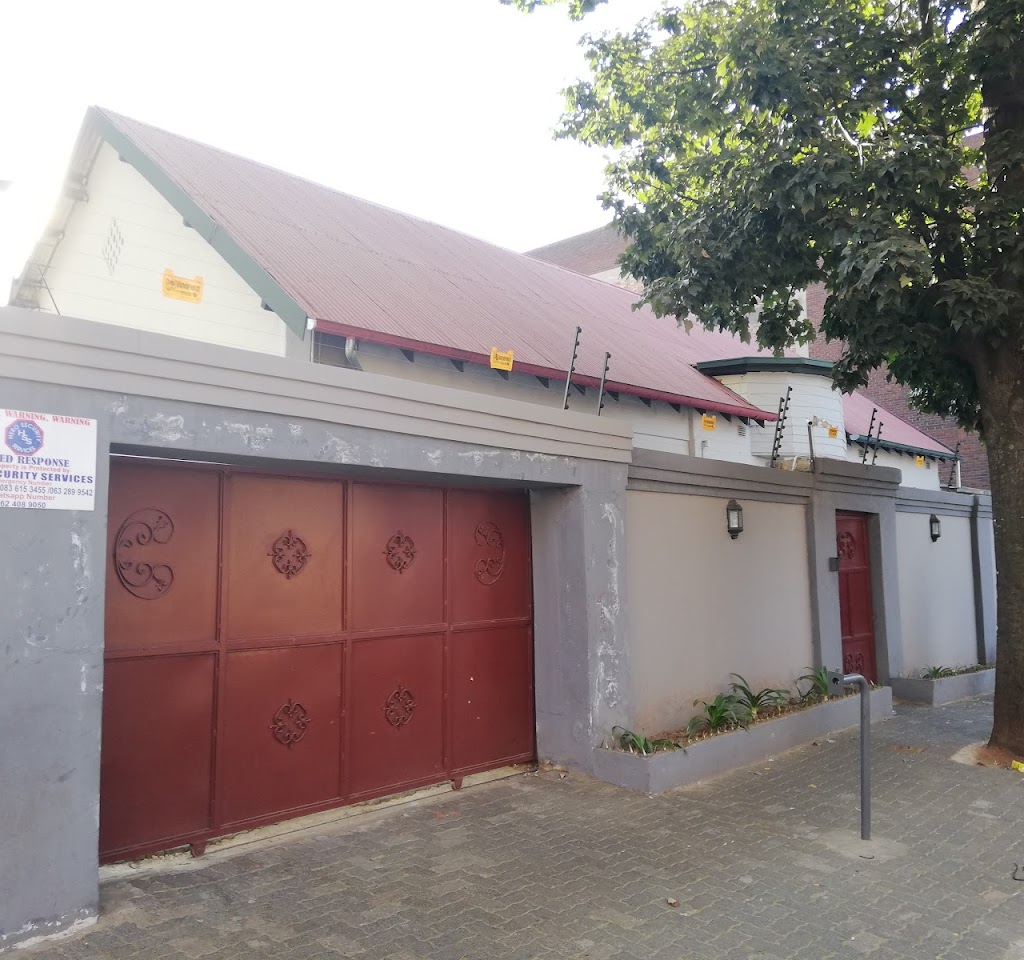
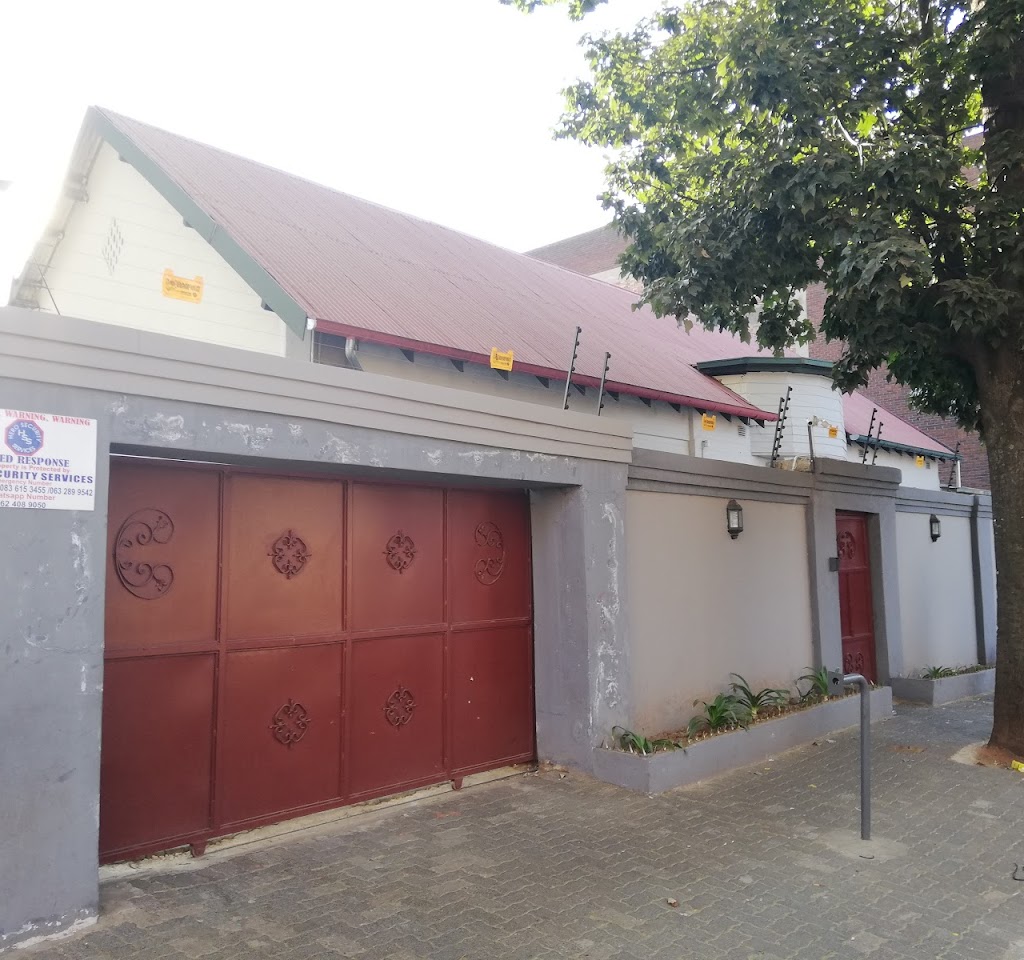
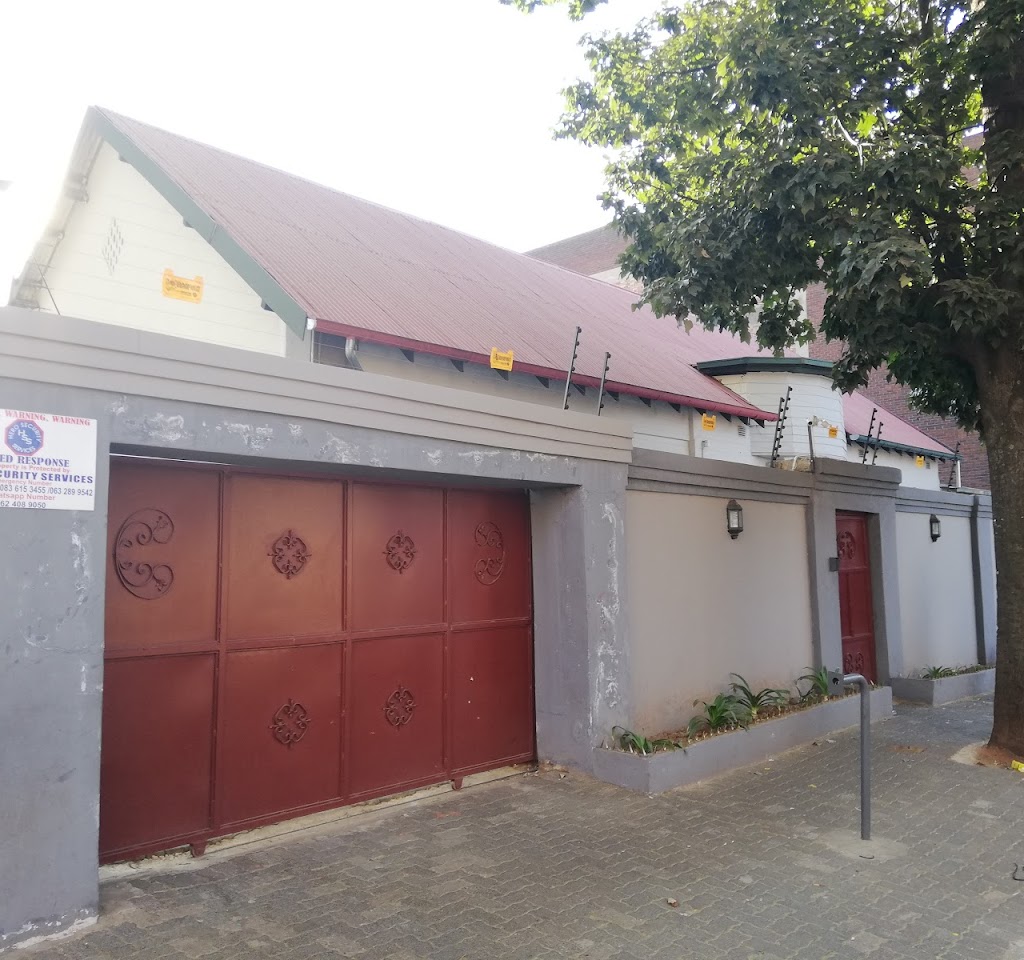
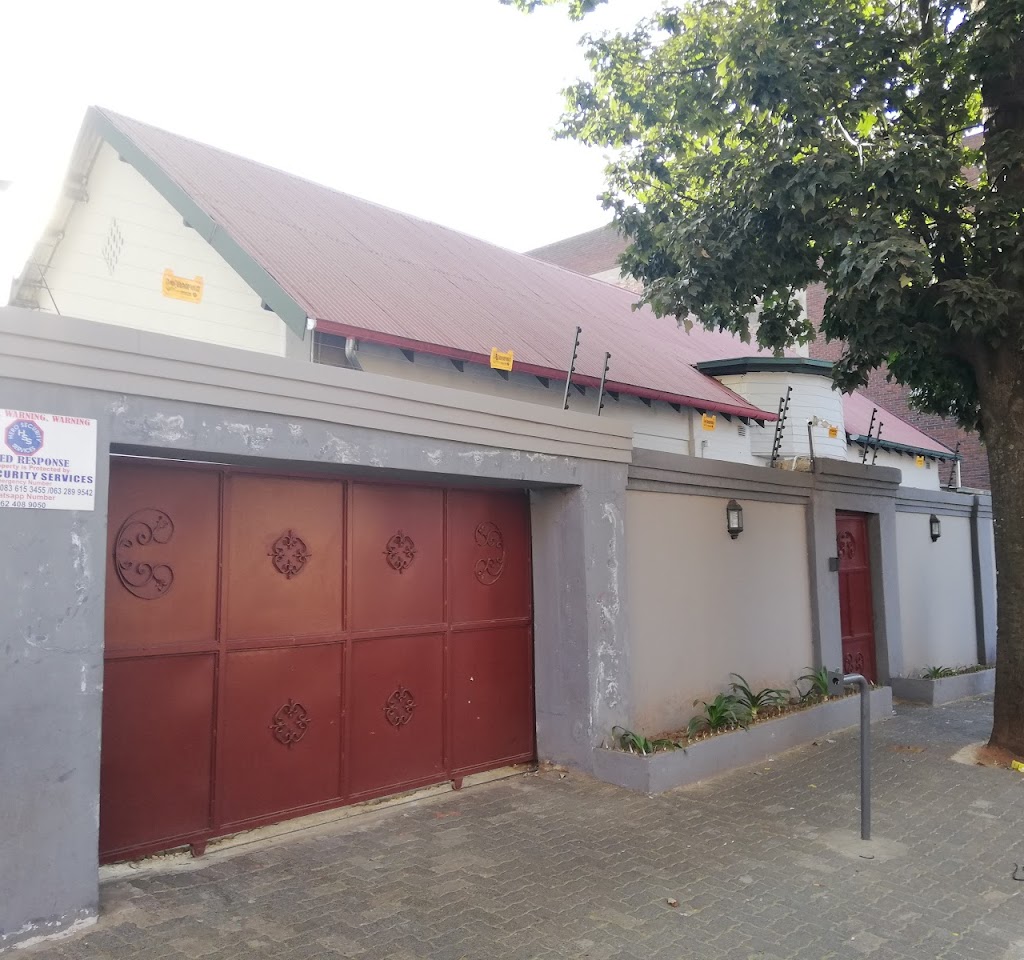
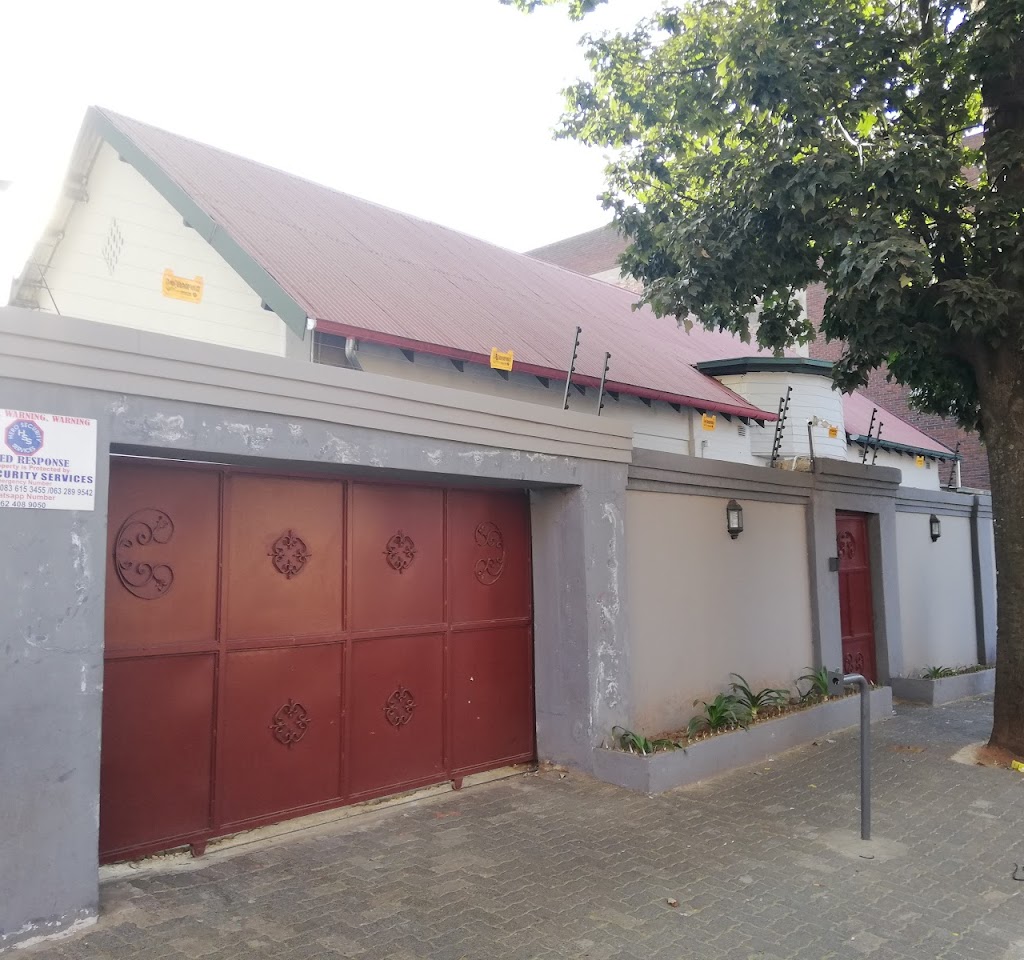
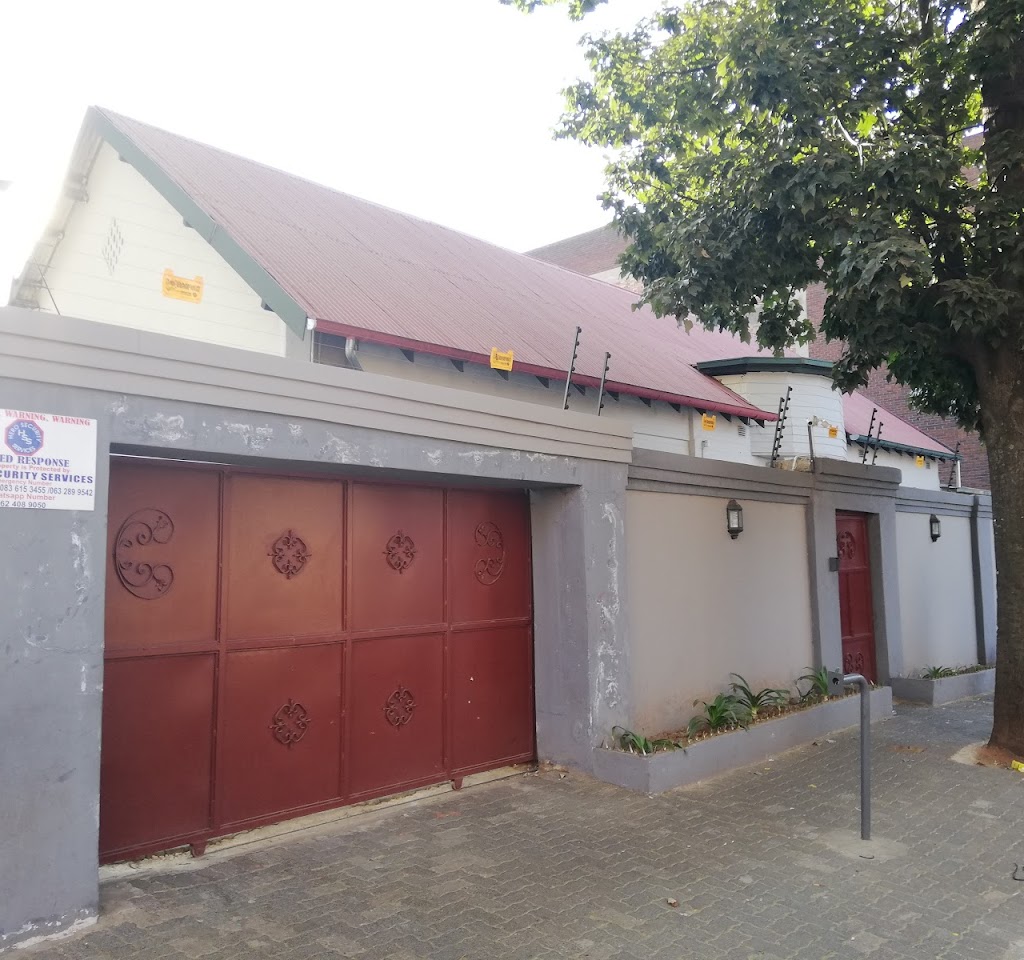
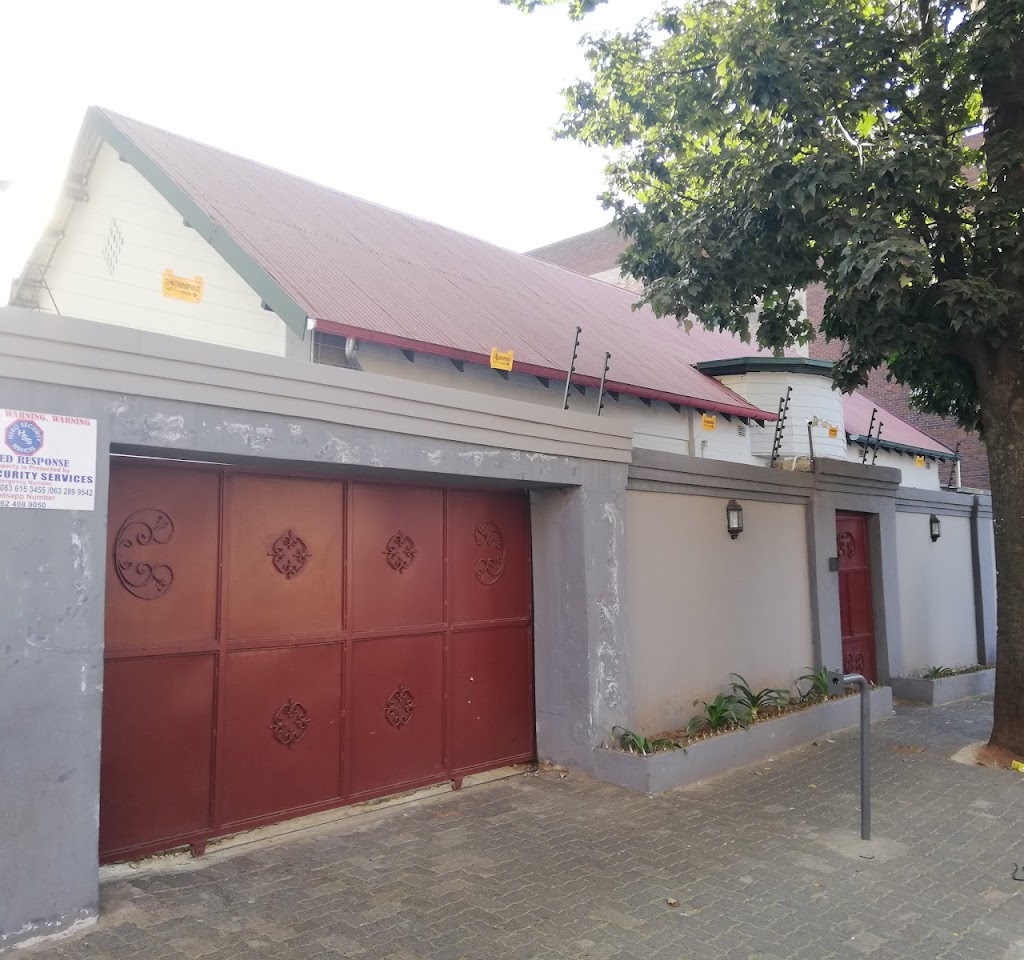
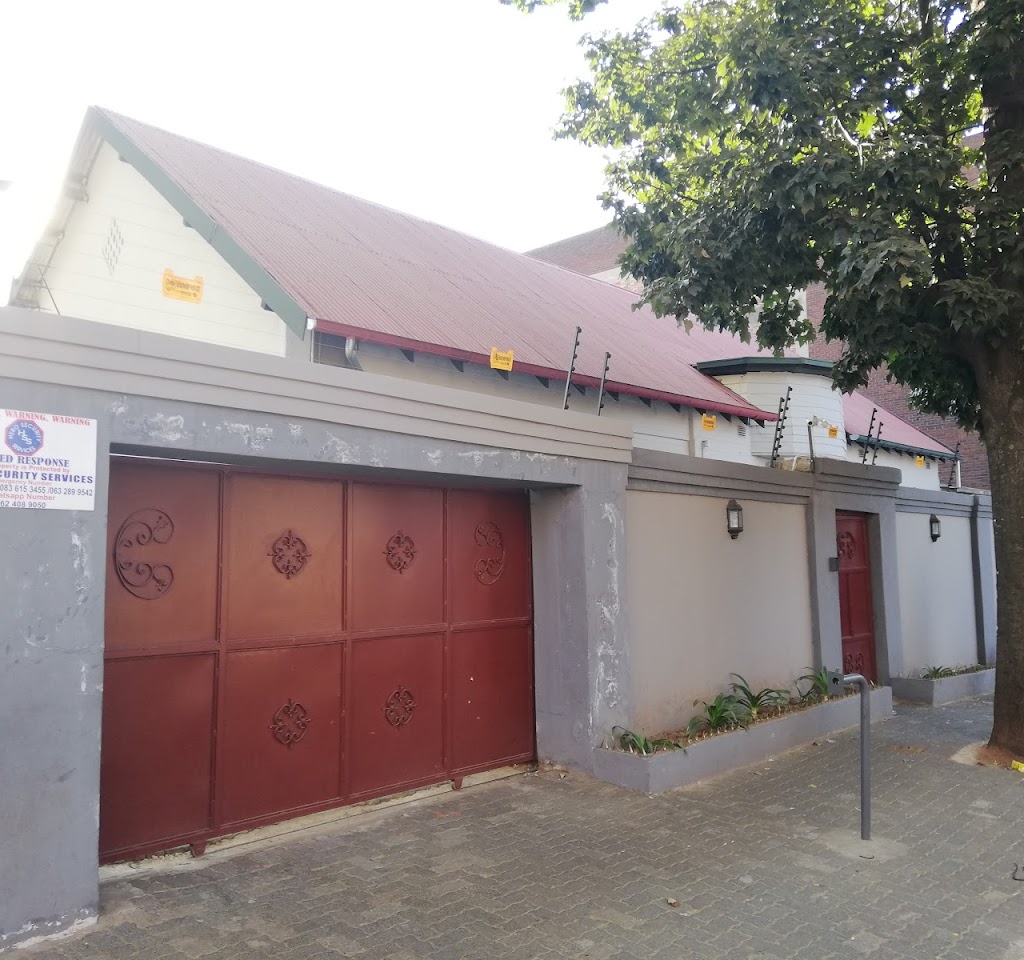
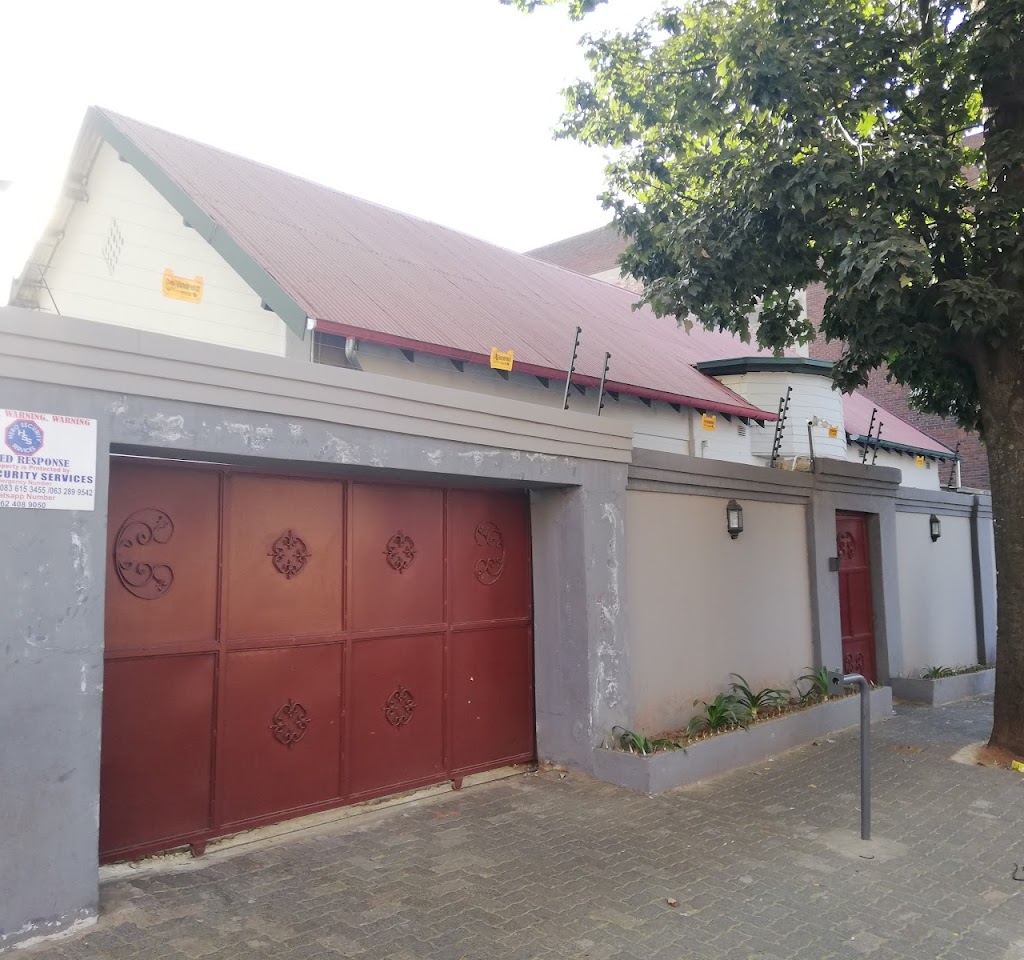
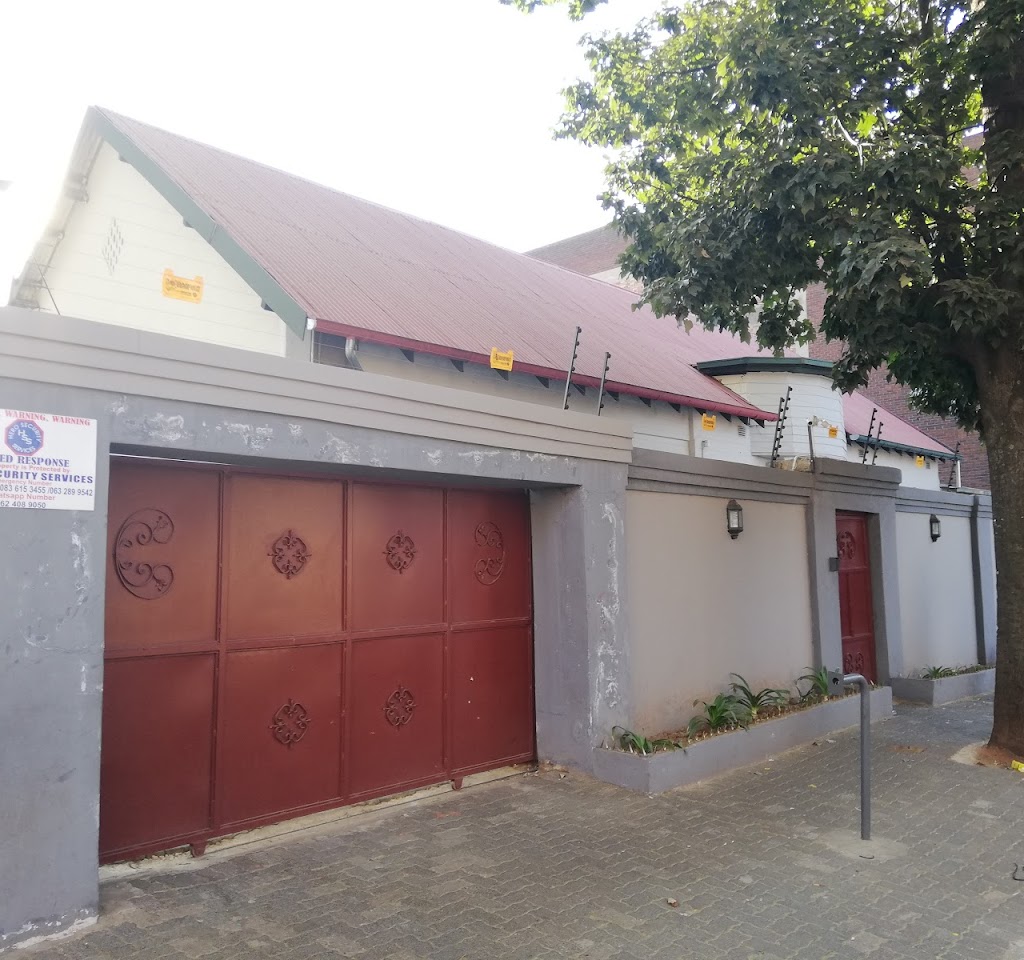
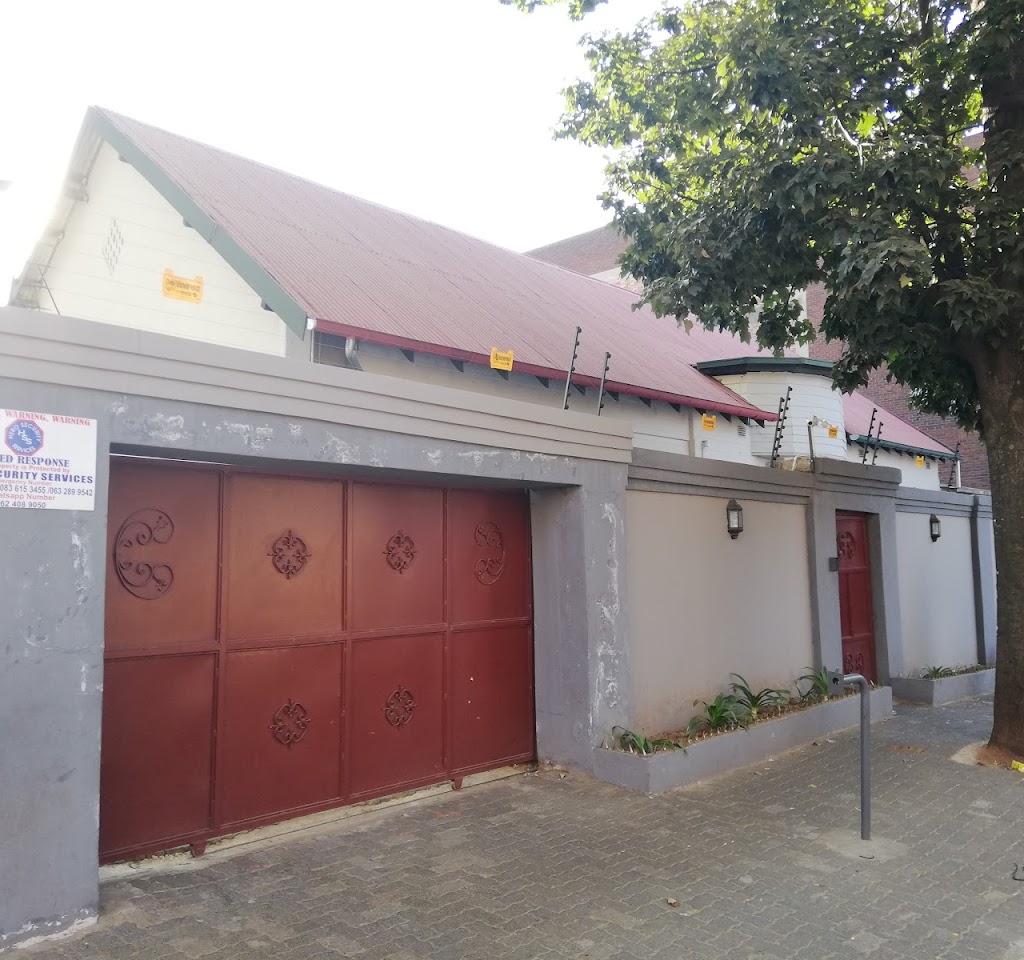
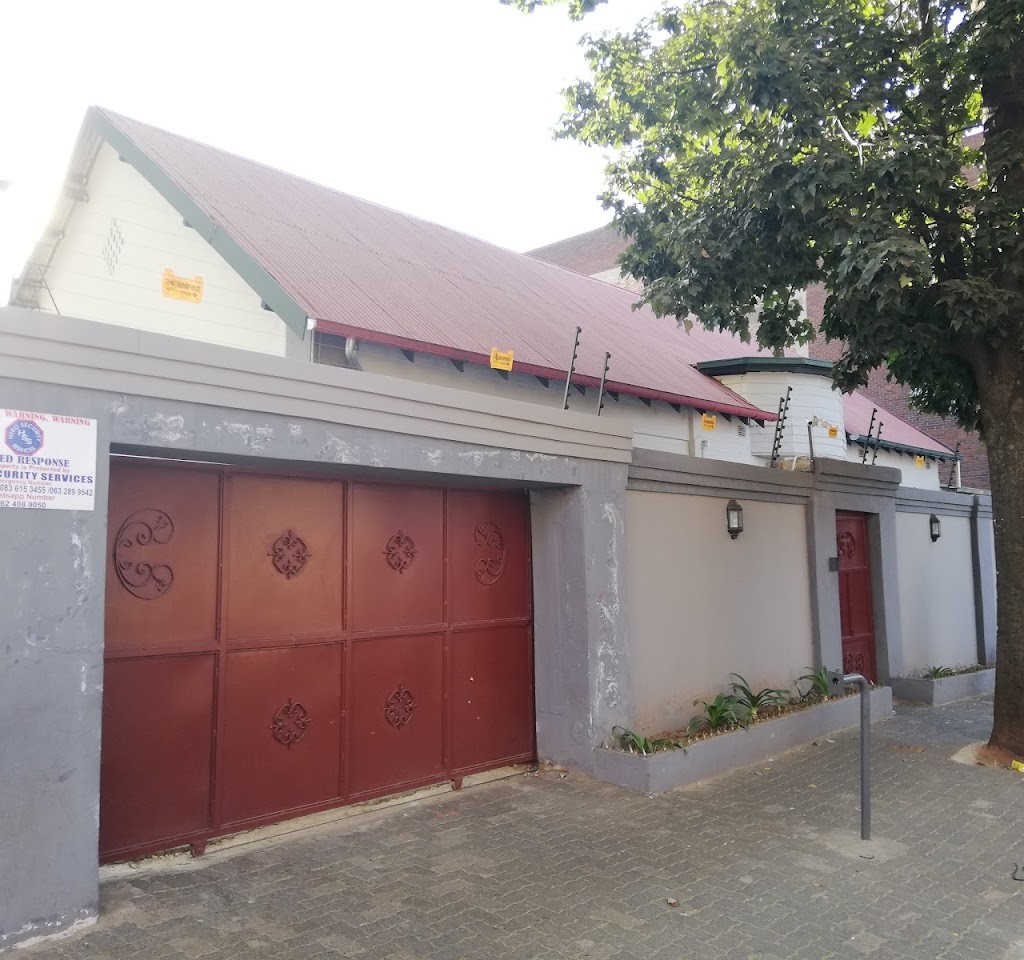
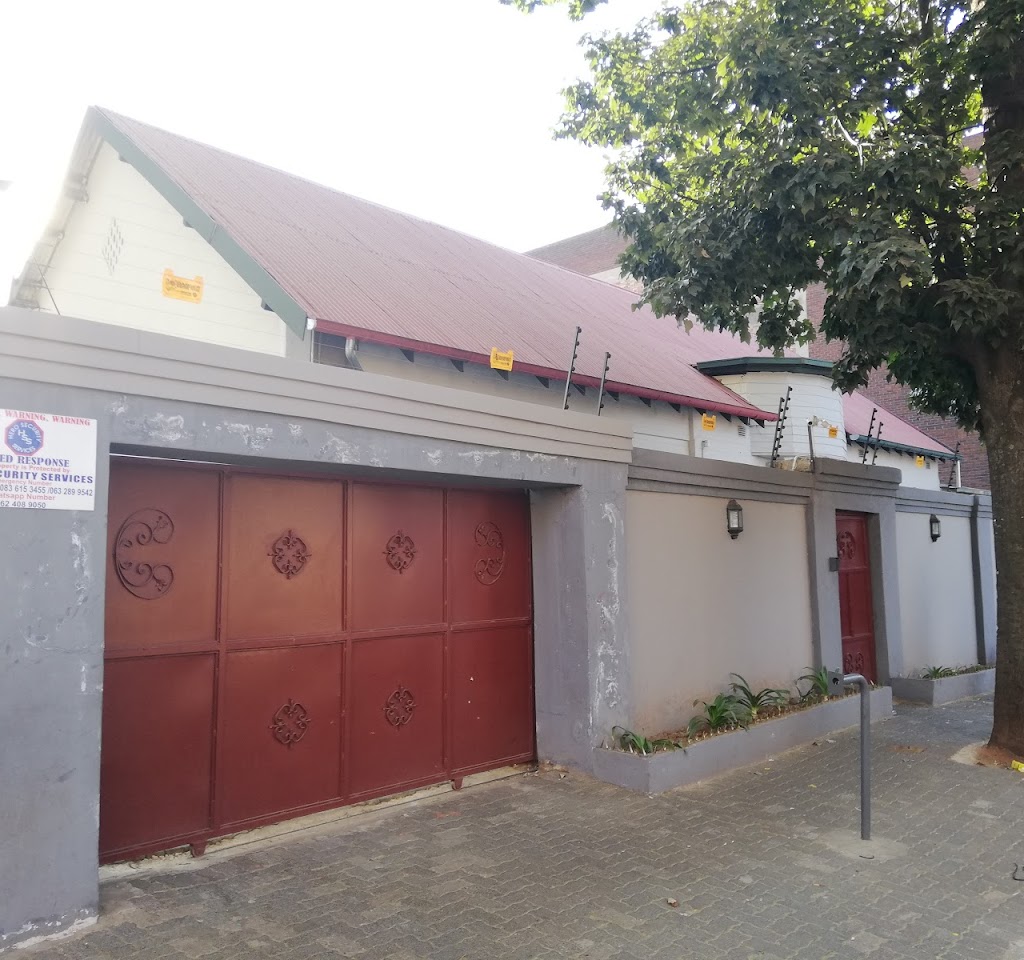
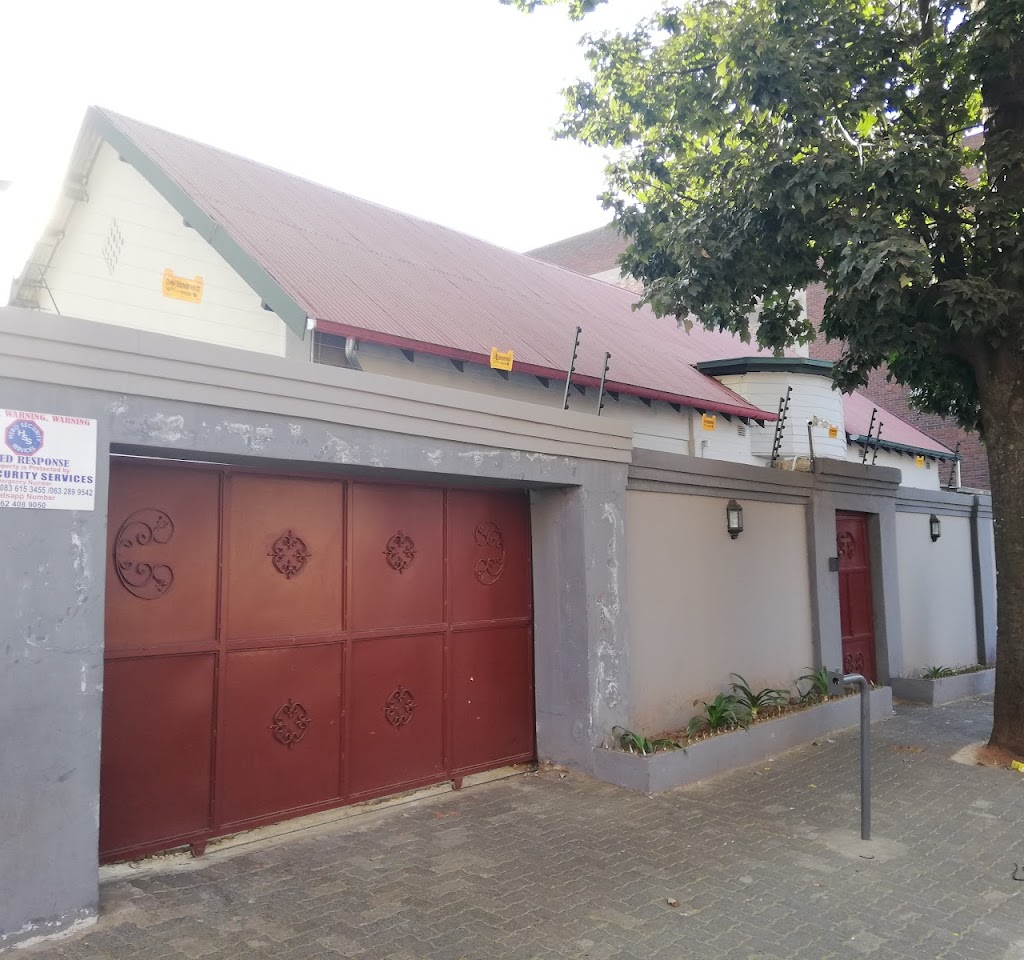
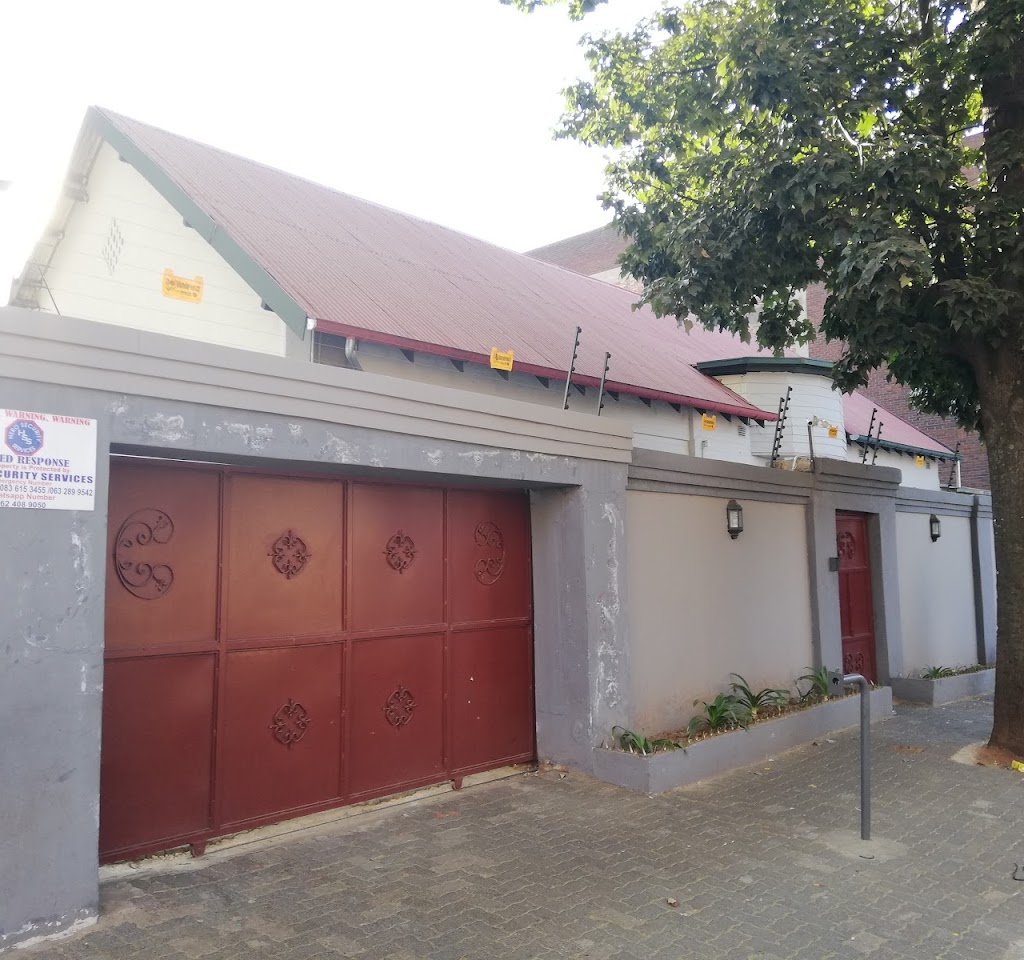
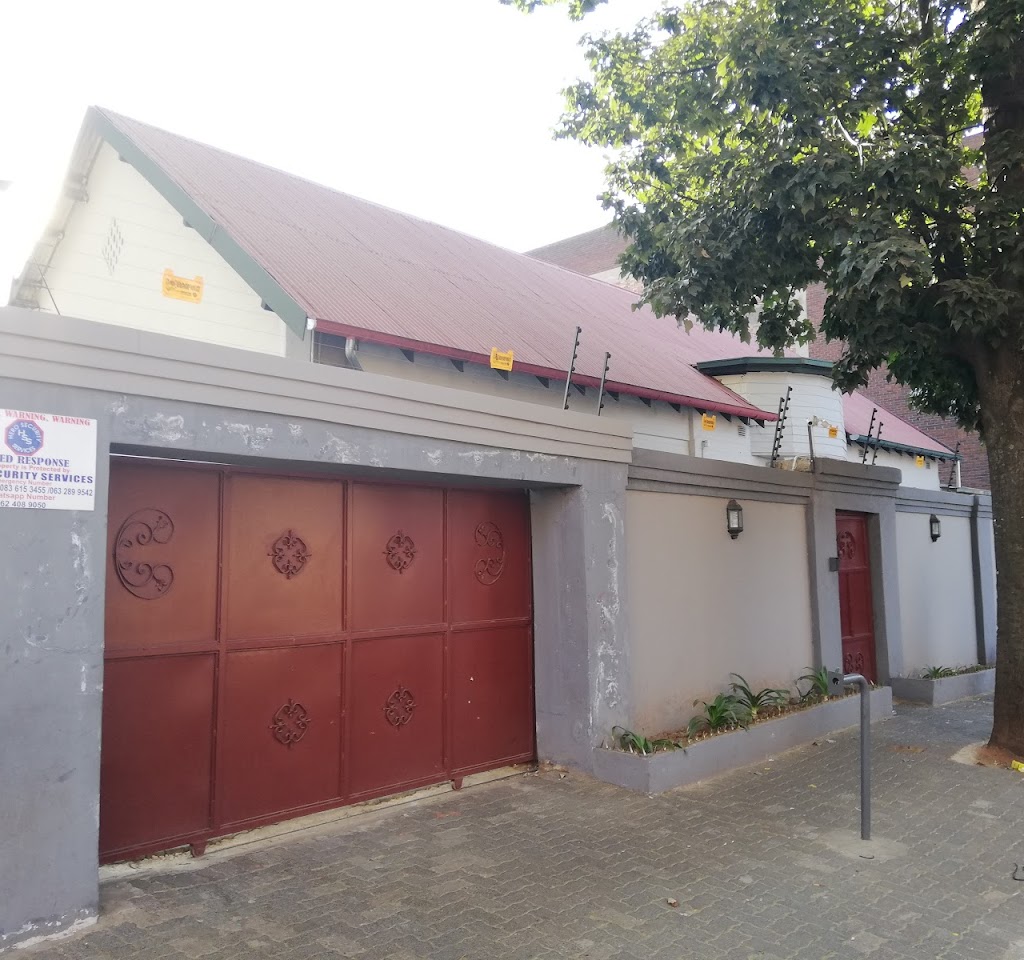
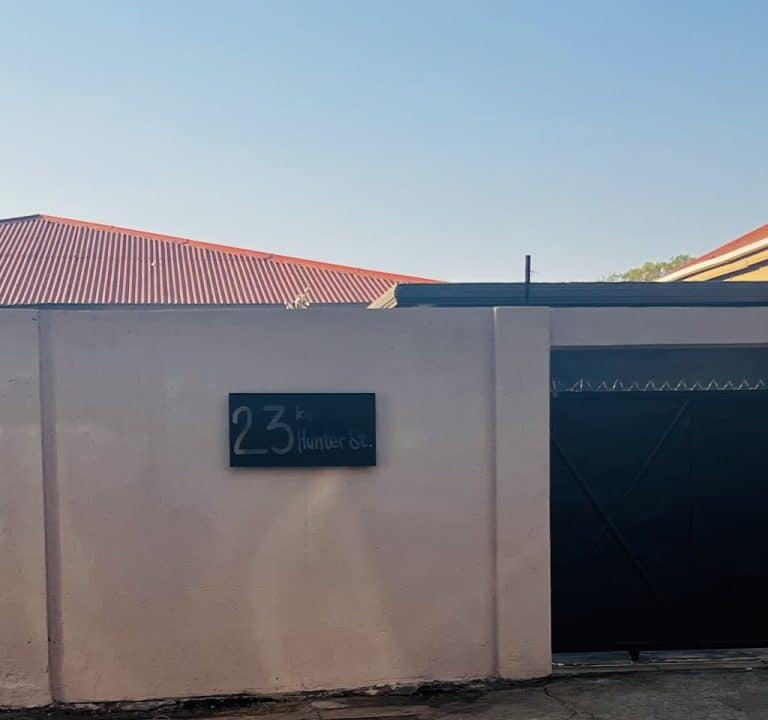
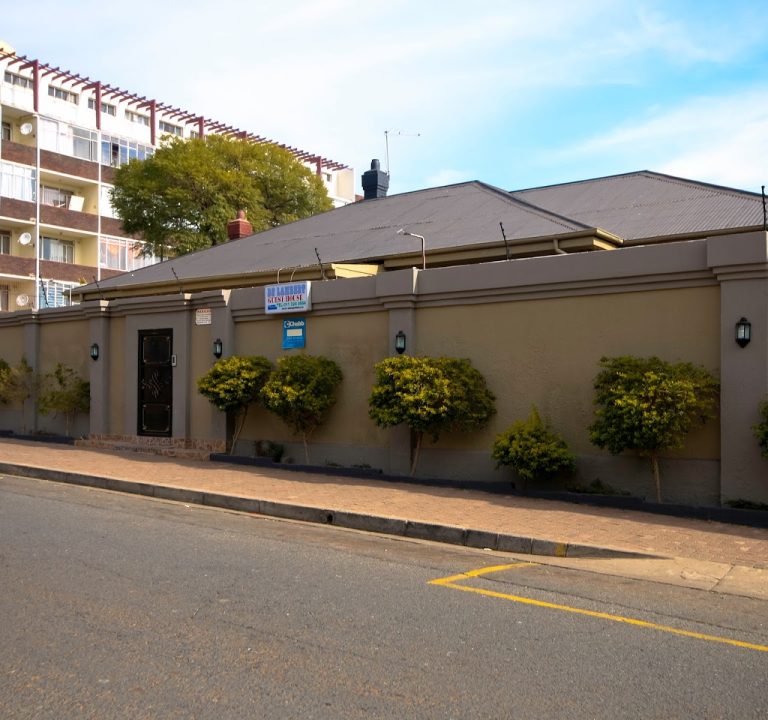
Johannesburg, often referred to as Jo’burg or Joburg, is a vibrant gateway to Gauteng’s city life, culture, and history. When planning a stay, consider the city’s diverse neighbourhoods, each offering a distinct atmosphere from bustling urban hubs to leafy residential pockets. Accommodation ranges from boutique guesthouses to contemporary hotels, with options that suit business travellers, families, and leisure seekers alike. One example of a comfortable, characterful stay is De Fountain Guesthouse, which demonstrates how small-scale, well-located properties can provide a warm entry into the city’s rhythm.
Areas to consider for accommodation and what they offer
Sandton is Johannesburg’s business and shopping heart. It is generally safe, well connected, and convenient for meetings or day trips to the north of the city. Guesthouses and hotels here tend to be modern, with reliable dining options and easy access to the Gautrain link to central Pretoria and the airport. Rosebank combines a relaxed, cosmopolitan vibe with markets, eateries, and galleries, making it popular with visitors who want a comfortable base within easy reach of top sights. Braamfontein and Newtown are student-friendly neighbourhoods that pulse with street art, cafés, museums, and nightlife, ideal for travellers seeking authentic urban energy. Maboneng Precinct, often described as Gauteng’s creative heartbeat, offers stylish stays close to design studios, markets, and rooftop venues. Soweto, just outside central Johannesburg, presents a different texture of life and history, with community-led tours and heritage sites that provide context and storytelling. For families or those seeking leafy tranquillity, northern suburbs offer secure streets, larger rooms, and access to parks and parkside dining.
What to look for when booking
Key factors include safety and location relative to your planned activities, access to public transport or parking, and the size and comfort of the rooms. If you intend to use Uber or rideshare services, verify that your chosen option is accessible in the area and consider a property with a reliable on-site staff presence or 24-hour reception. Check for features such as a secure entrance, adequate lighting, air conditioning, reliable Wi‑Fi, and a work desk if you need to combine travel with remote work. For families, ensure there are child-friendly spaces or suites, and confirm whether breakfast is included or available as part of the rate. If you plan day trips, proximity to transport hubs like the Gautrain station or major motorways can save a lot of time. Finally, read recent guest reviews to gauge consistency in service, cleanliness, and noise levels.
Typical amenities and what to expect
In Johannesburg, many accommodations offer complimentary breakfast, daily housekeeping, and secure parking. You may encounter features such as well-equipped en suite bathrooms, tea and coffee facilities, and modern entertainment options. Smaller guesthouses often prioritise personalised service and a homely atmosphere, while larger hotels tend to provide on-site dining rooms, fitness centres, business facilities, and concierge services. For flexibility, look for options with flexible cancellation policies and clear information about housekeeping schedules and guest access spaces. If you value aesthetic appeal, some properties place emphasis on thoughtful interiors, comfortable lounges, and calm courtyards that can provide a respite after a day of sightseeing.
Transport and getting around
Johannesburg is well served by a network of roads, ride-hailing services, and the Gautrain, which connects the city to Pretoria and O.R. Tambo International Airport. Within the city, Uber and other apps are commonly used, though certain districts may have limited availability late at night. If you plan to drive, ensure secure parking arrangements with your accommodation. For those who wish to explore more deeply, joining guided half-day or full-day tours can be a practical way to see Soweto, the Constitution Hill complex, and other heritage sites with local context. Walking is pleasant in areas with pedestrian-friendly streets and curated street art, but be mindful of weather and safety guidelines, especially after dark.
Best time to visit and practical tips
The South African climate means Johannesburg experiences dry winters and warm, wet summers. The most comfortable months tend to be May to September when daytime temperatures are mild and rainfall is low, though chilly evenings and occasional crisp mornings are common. Summer brings a green landscape and occasional thunderstorms, which can be dramatic but short. If you’re visiting for cultural events, check calendars for markets, theatre, and live music in districts like Maboneng or Braamfontein. Practical tips include planning indoor options for hot or wet days, booking big-ticket museum visits in advance where possible, and budgeting for a mix of paid attractions and free public spaces such as markets and city viewpoints. It’s also wise to have a mix of neighbourhoods on your itinerary to appreciate both the city’s modern pace and its historic layers.
Suggested experiences and dining landscape
Johannesburg’s culinary scene reflects its diversity, with a spectrum of casual eateries, artisanal cafés, and refined restaurants. Expect a range from traditional favourites to contemporary international flavours. While it is best not to rely on fixed prices or claims, you can explore local hotspots that specialise in fresh, seasonal produce, as well as markets and food districts where street food and small plates showcase community cuisine. Museums, cultural centres, and galleries provide insight into the city’s complex history, while parks and viewpoints offer refreshing breaks between meals and excursions.
- Plan around a mix of neighbourhoods: stay central for convenience, or choose a precinct closer to nature or culture for variety.
- Prioritise safety and accessibility: select places with secure access, good lighting, and reliable transport links.
- Allocate time for heritage sites and markets: many areas feature walking routes that highlight urban art, history, and local crafts.