Discovering Johannesburg: accommodation, attractions, and planning your stay
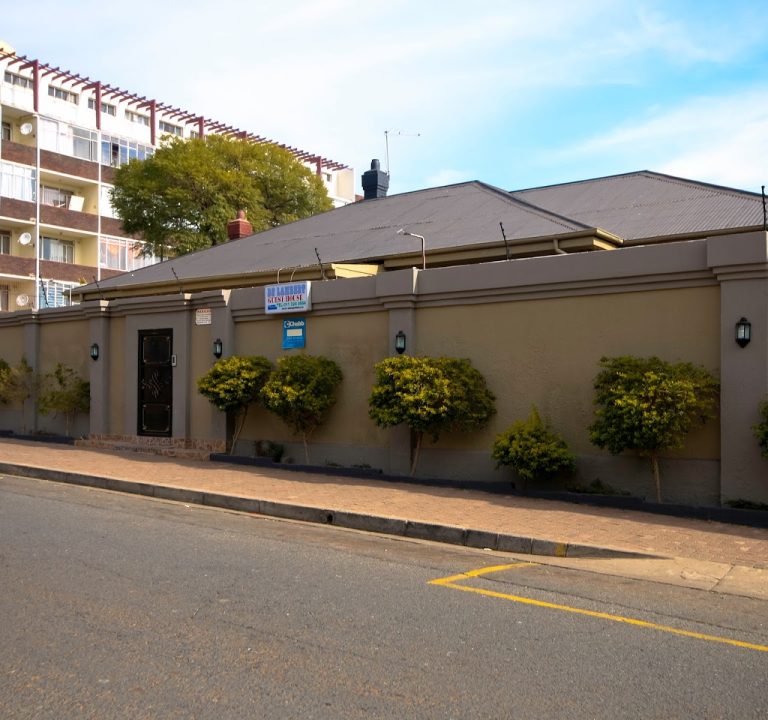
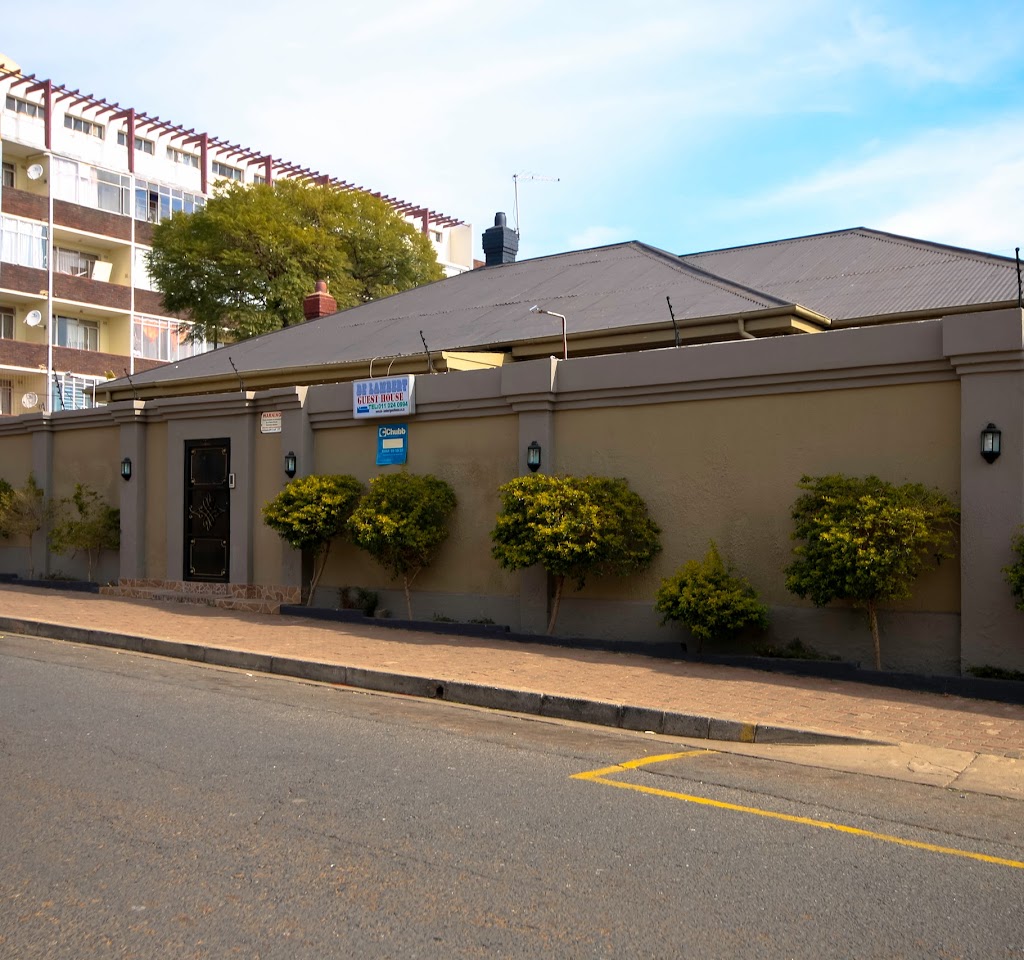
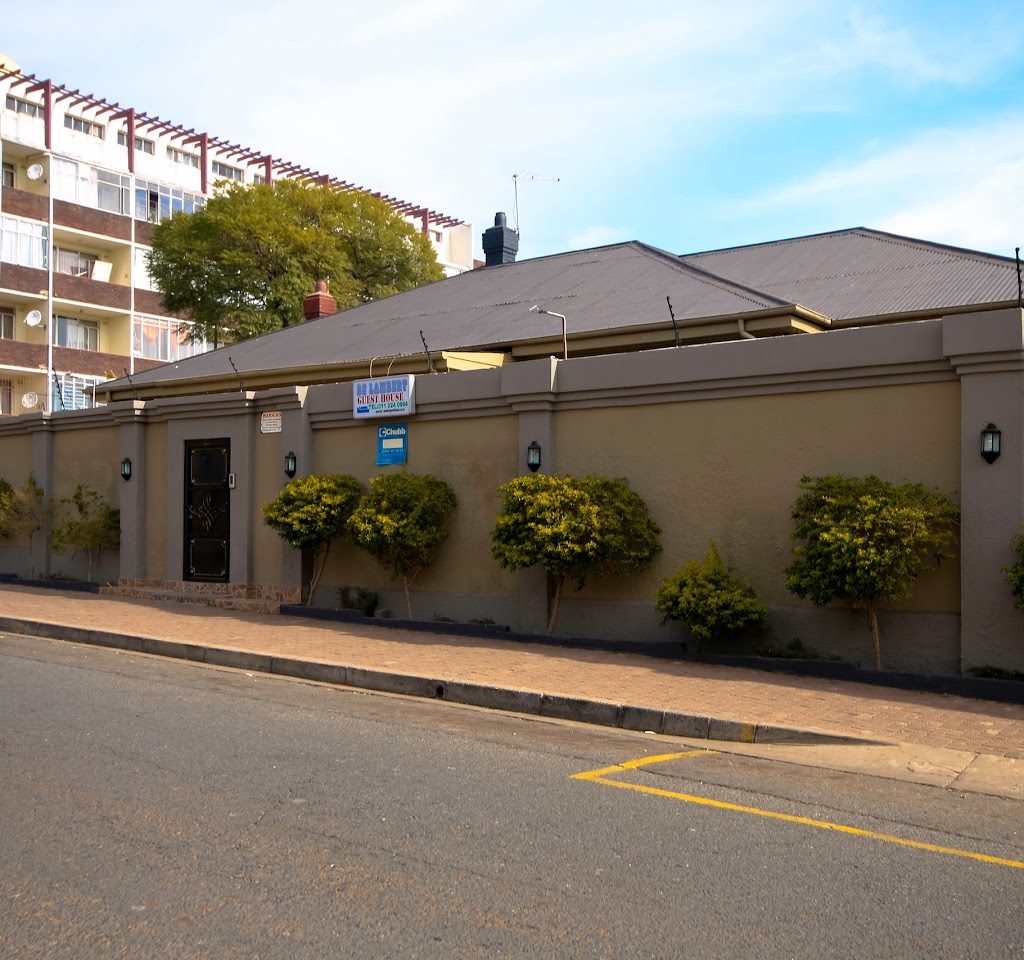
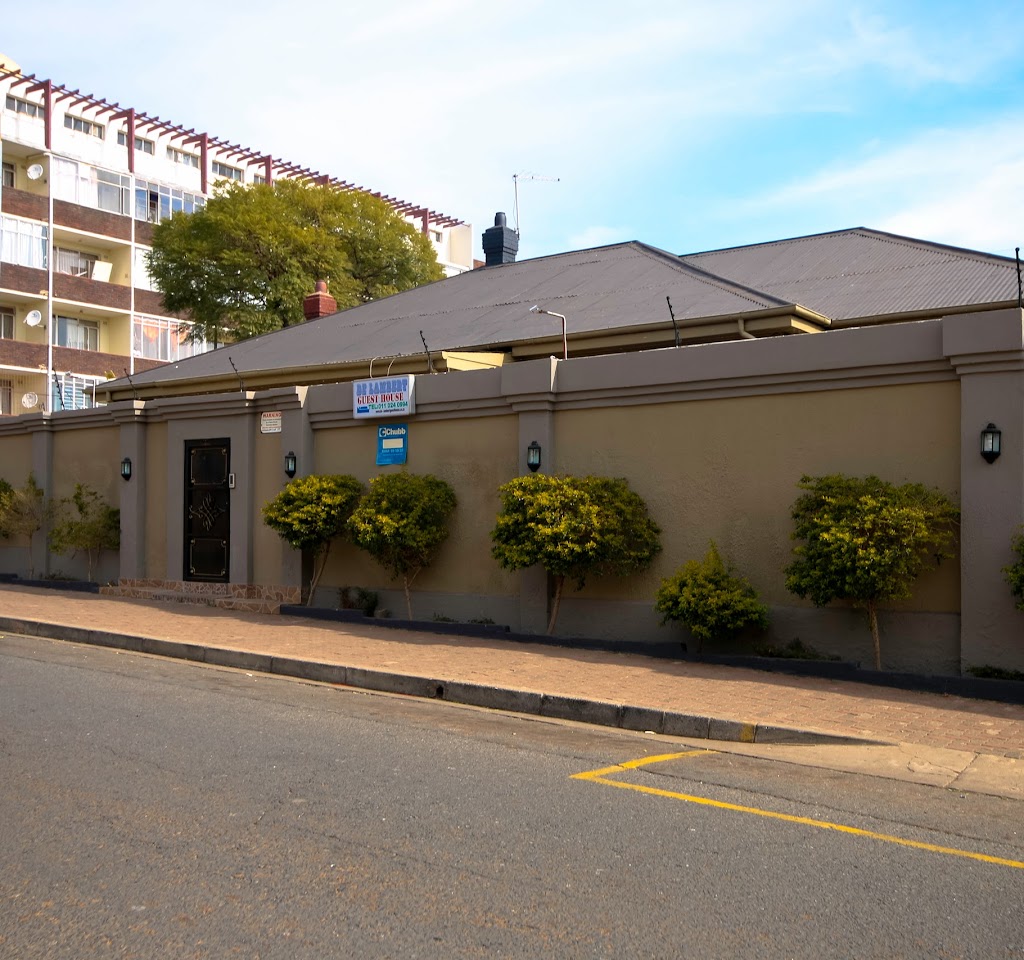
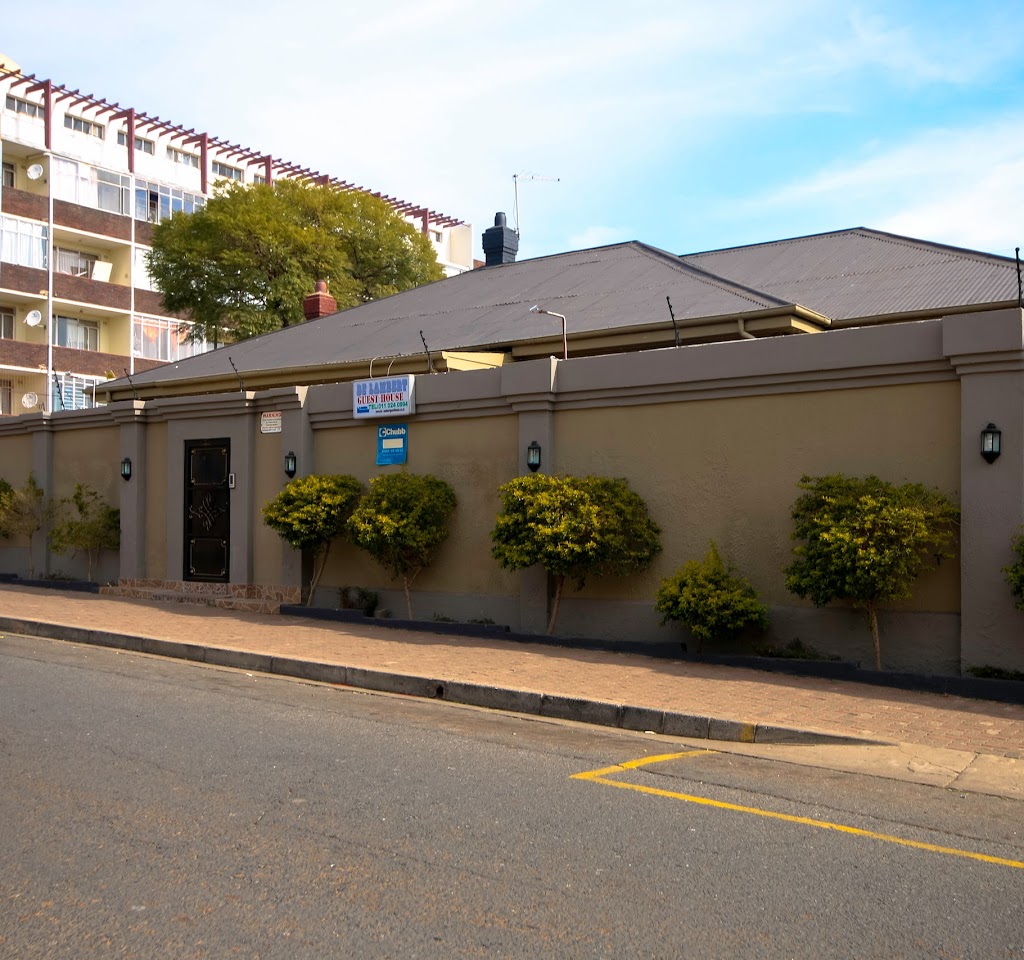
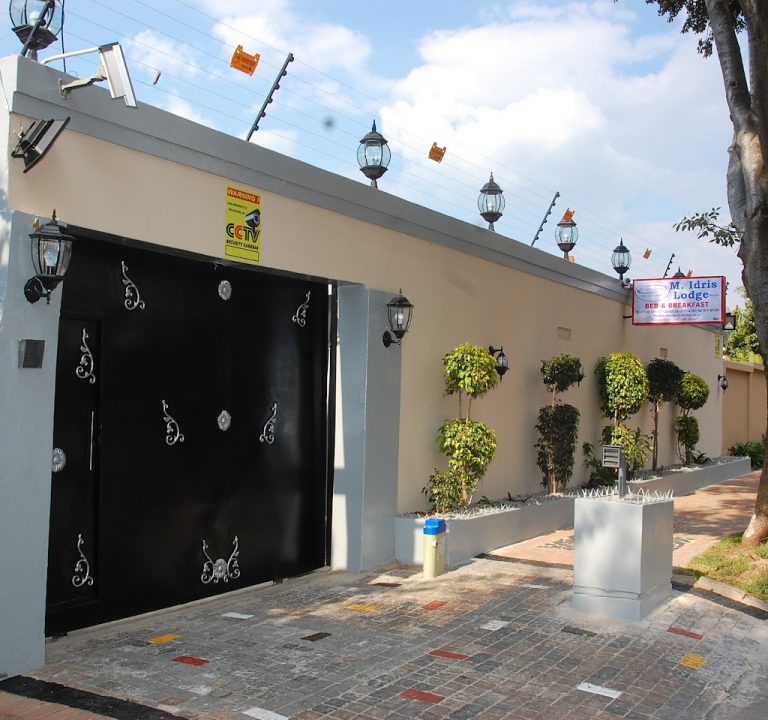
Johannesburg, or Jo’burg as many locals affectionately call it, offers a vibrant mix of urban culture, history, and contemporary comfort. A stay here can range from stylish guest houses in leafy neighbourhoods to modern hotels in bustling business districts. For travellers seeking a personal touch, a guest house such as De Lambert Guest House can provide a warm, locally run base with easy access to the city’s highlights, while still feeling like a home away from home.
When planning where to stay, consider the character of each area and how you plan to spend your days. The northern suburbs tend to offer a calmer, more residential setting with access to shopping centres and green spaces. The central area and business districts are convenient for business travellers or those who want to be in the thick of the city’s pulse. For a more cultural and historic experience, look to townships and southern neighbourhoods which offer guided tours, museums, and authentic local dining experiences. Safety, transport links, and level of bustle are important factors to weigh when selecting an accommodation that suits your itinerary and comfort level.
Accommodation in Johannesburg ranges from intimate guest houses to contemporary boutique hotels and well-appointed lodges. When booking, look for several essentials: a secure neighbourhood or building entrance, reputable guest reviews, reliable housekeeping, and clear information about check-in procedures. If you’re travelling with family or a group, check for family rooms or suites, sufficient storage, and a practical layout. Guest houses often pride themselves on personal service and local recommendations, so don’t hesitate to ask hosts for tips on transit routes, markets, and day trips.
Typical in-room amenities include comfortable beds with quality linens, private bathrooms, and climate control. Many guest houses offer inclusive breakfast, which can be a convenient way to start busy travel days. A well-equipped kitchenette, reliable Wi‑Fi, and on-site parking can greatly enhance convenience, particularly if you plan to explore beyond the city centre by car. For those who prefer minimal hassle, look for properties that arrange transfers or have partnerships with trusted transport providers. Consider whether you’ll need airport transfers, day-trip transport, or easy access to public transit options such as the Gautrain or local bus routes.
Transport is a practical part of planning in Johannesburg. The Gauteng region’s rail and road network makes it possible to reach many sights efficiently, but travel times can vary with traffic. If you intend to use a car, confirm off-street parking and security arrangements. Uber, ride-hailing services, and local taxis are common options, particularly in central and northern parts of the city. Public transport is useful for city-centre explorations but plan ahead for longer journeys, especially if you’re visiting at night or during peak hours. Your host or hotel concierge can often assist with itinerary-friendly routes and up-to-date travel tips.
The best time to visit Johannesburg is influenced by weather and events. Summers (roughly November to March) are warm and often rainy, with afternoon thunderstorms typical in many seasons. Winters (May to August) are mild and dry, with cooler evenings. Spring and autumn bring pleasant temperatures suitable for exploring outside and enjoying outdoor markets. If you’re keen on cultural occasions or day trips to nearby parks and reserves, it’s worth connecting with a host or a local tour operator who can point you to seasonal happenings and recommended itineraries.
Top attractions in general terms span nature reserves, museums, and urban experiences. You can plan a day to absorb the city’s history at major museums and memorials, explore parks and markets, or join guided tours that reveal the city’s diverse communities and architectural eras. For many visitors, the appeal lies in a balance of culture, art, and honest, flavourful meals. When it comes to dining, Johannesburg offers a broad mix of casual cafes, contemporary restaurants, and traditional eateries. Rather than relying on fixed names or prices, look for venues with fresh seasonal menus, locally sourced ingredients, and a lively, welcoming atmosphere. In many areas, you’ll find vibrant street markets and family-run establishments where you can sample regional favourites and discover unique artisan products.
Practical planning tips to help you maximise your stay:
- Read recent guest reviews focusing on housekeeping, comfort, and the responsiveness of staff.
- Ask about breakfast options, parking arrangements, and late-check-in policies if you have irregular travel times.
- Clarify what is included in the rate (Wi‑Fi, breakfast, housekeeping) and any additional costs for amenities or transfers.
- Request local tips on safe neighbourhoods for evening strolls, and reliable modes of transport for day trips.
- Balance your itinerary with a mix of indoor attractions and outdoor spaces to suit the season and weather.
For those who prefer a tailored stay, consider booking directly with a guest house that can curate a personalised experience—requests such as arranging a guided heritage walk, arranging a sunset view from a rooftop location, or recommending boutique shops and markets can enrich your visit. With thoughtful planning, Johannesburg can offer a memorable stay that blends comfortable accommodation with engaging local experiences, all within easy reach of transit routes and key sights.