Johannesburg: Accommodation, Attractions and Practical Tips for Visitors
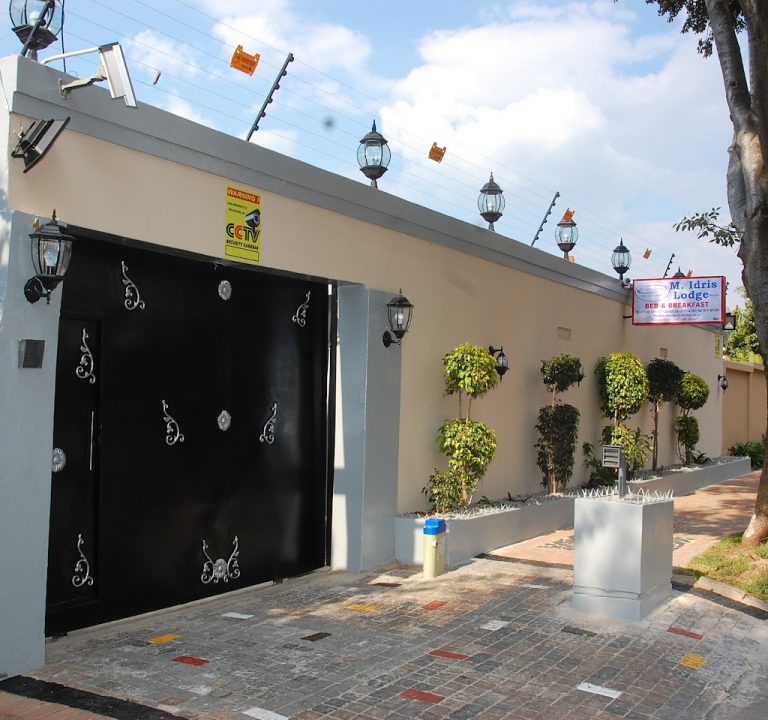
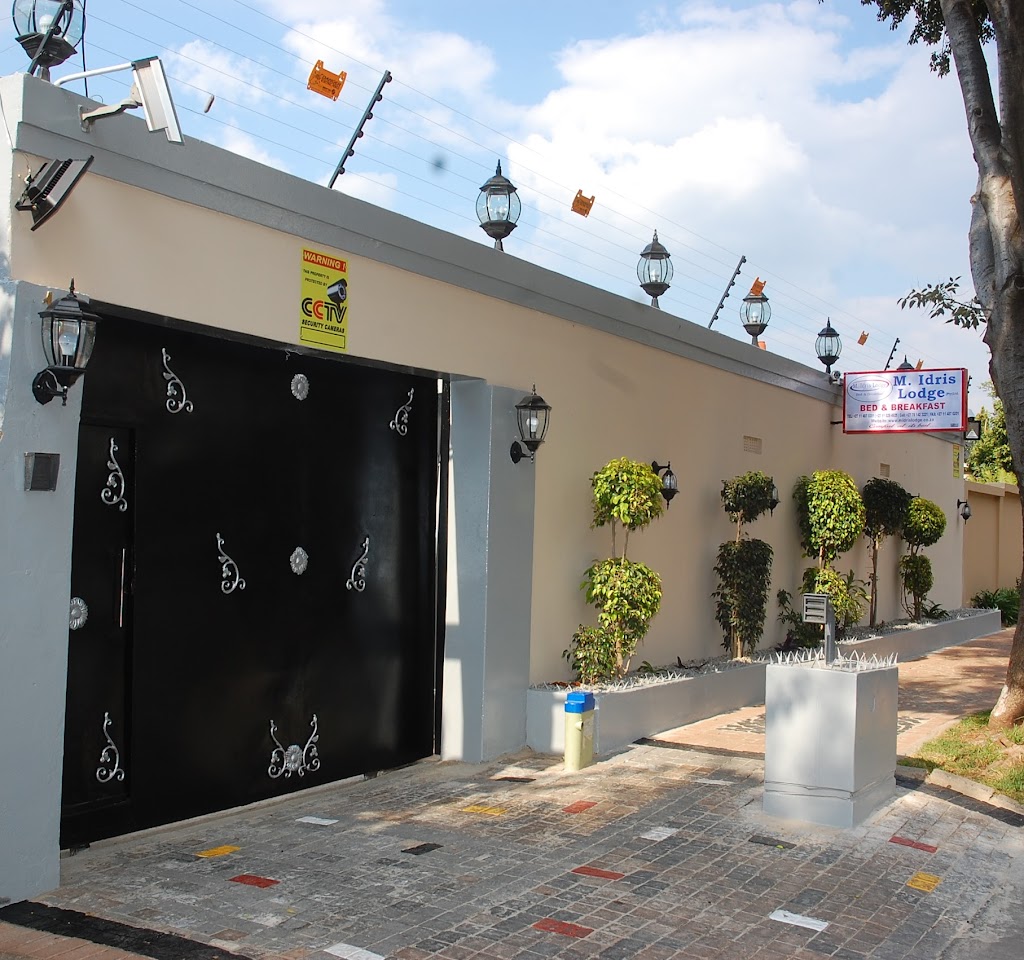
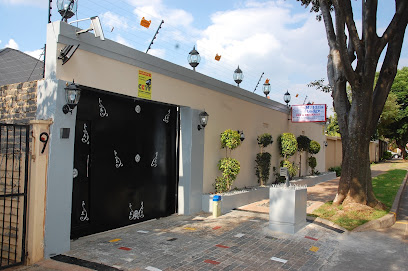
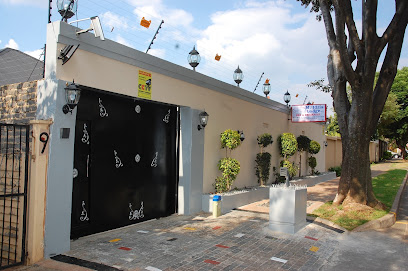
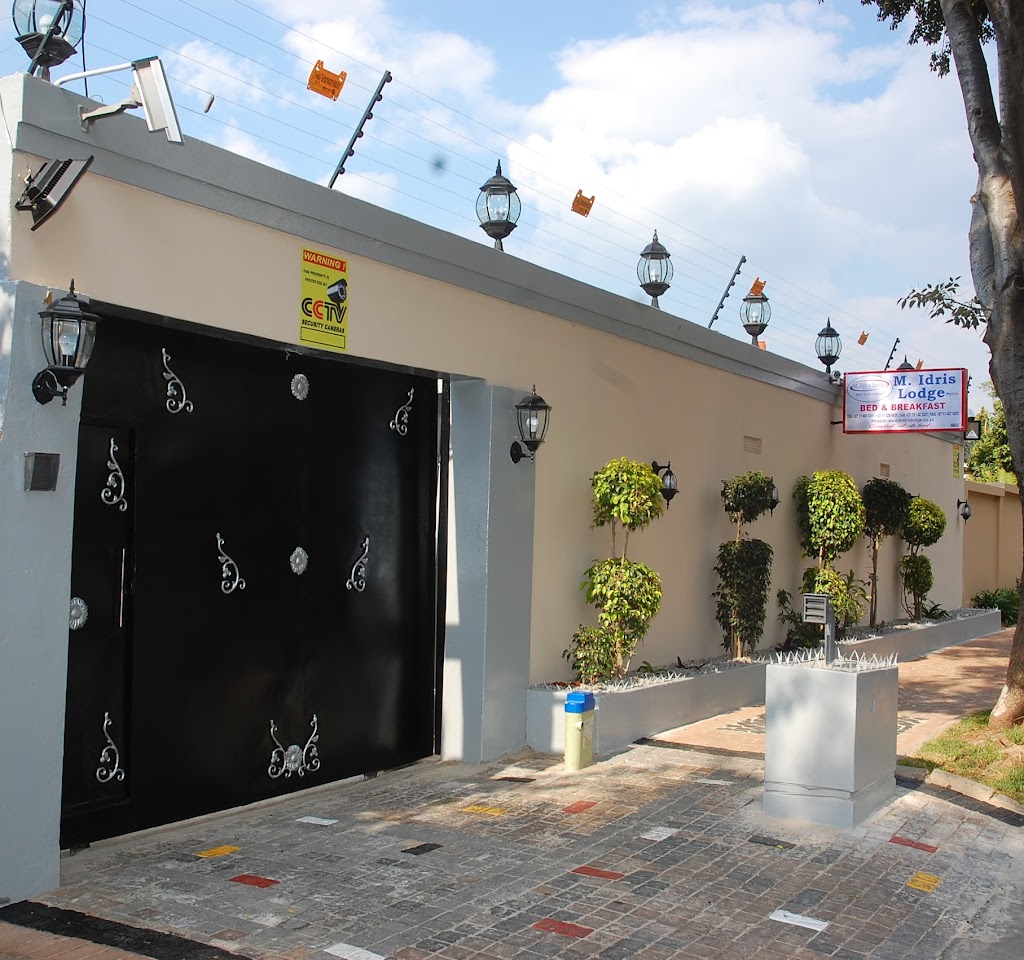
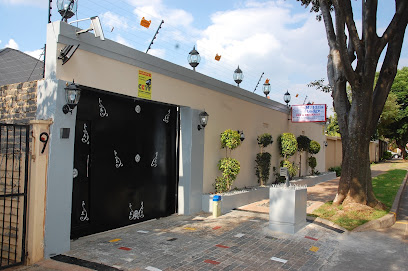
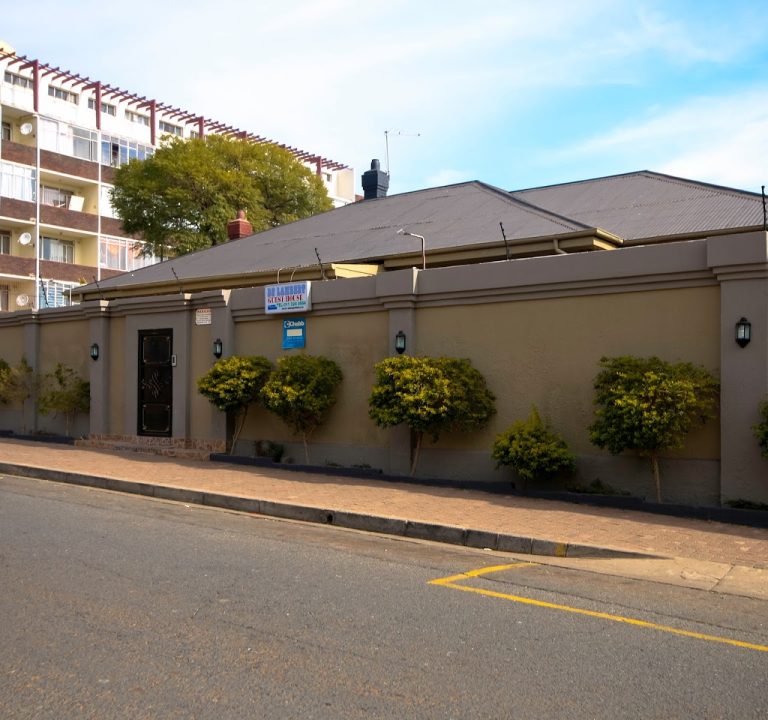
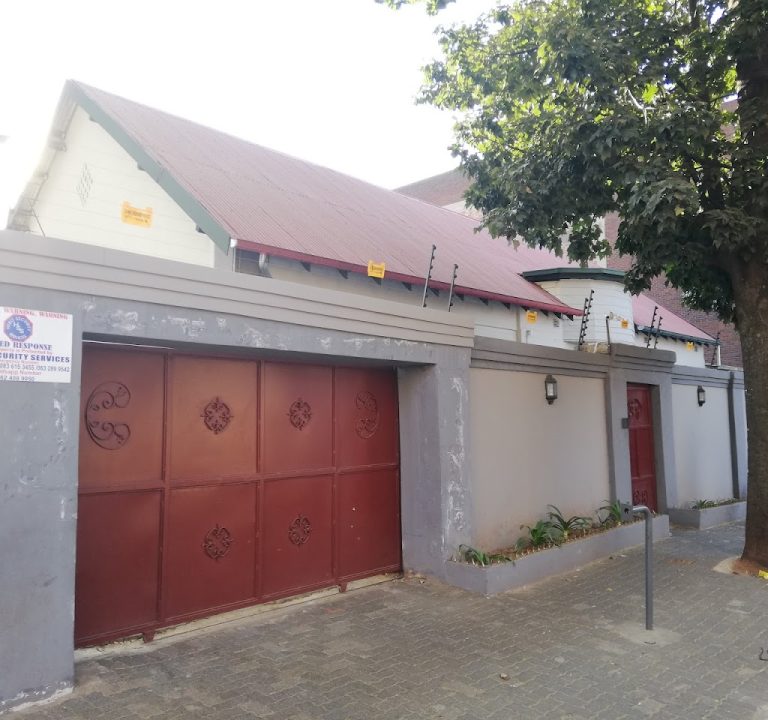
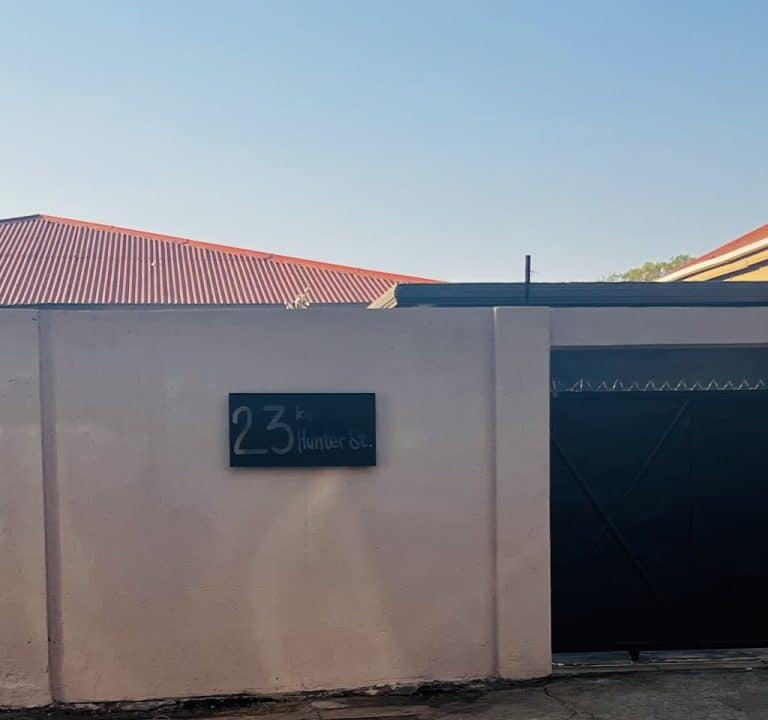
Johannesburg, or Jo’burg as many locals call it, combines a dynamic urban energy with a rich history and a surprisingly wide range of places to stay. When planning a visit, consider staying in one of the city’s vibrant hubs to get the most out of your time. For example, a guest house such as M Idris lodge could offer a homely base with personalised service, helping you to feel at home while you explore the urban mixture of culture, commerce and natural spaces.
Areas to consider for accommodation include the northern suburbs, the central city core, and the southern precincts around parks and cultural centres. Sandton and Rosebank are popular for easy access to business districts, large shopping centres, and a broad selection of eateries. Braamfontein and nearby Maboneng offer a creative, walkable scene with galleries, cafes and street markets. For a quieter, more residential stay with convenient transport links to the rest of the city, safe and well-connected guest houses in areas such as Melville or Greenside can be appealing. When choosing a property, weigh access to reliable transport, proximity to the kinds of experiences you want (markets, museums, outdoor spaces) and the safety features that matter most to you.
Typical accommodation options range from intimate guest houses to boutique BnBs and small hotels. In a guest house setting, you can expect comfortable rooms with en-suite or private bathrooms, daily housekeeping, and engaging hosts who can offer local recommendations. Some properties may include breakfast as part of the package, while others function on a room-only basis with access to shared kitchen facilities. Look for secure parking or easy-to-arrange shuttle options if you’ll be hiring a vehicle or relying on taxis and rideshares. Wi‑Fi is a practical must for most travellers, especially if you need to stay connected for work or planning on-the-go itineraries.
When reviewing listings, check for practical conveniences that suit your stay: a well-equipped kitchen or fridge for snacks, a reliable Wi‑Fi connection, good natural light, and quiet hours if you need to rest after long travel days. If accessibility is important, confirm stair access, lift availability, and the layout of rooms. For families or longer stays, consider rooms with additional seating, a kitchenette, or a private living area. Security is usually well managed in Johannesburg’s guest accommodation, but it’s wise to verify the presence of on-site staff, secure entry systems, and a safe neighbourhood reputation before booking.
Transport in Johannesburg is usually straightforward but can vary with time of day. The city has a Gautrain fast rail network linking to Pretoria and the OR Tambo International Airport, which can be a convenient backbone for longer trips. Within the city, ridesharing services and taxis are common, while some guest houses offer airport or station transfers by prior arrangement. If you plan day trips to notable sites or shopping districts, a car can be handy, though many neighbourhoods are very walkable once you’re settled in. When you book, consider how easy it is to access your preferred modes of transport, and ask about nearby bus routes or safe pedestrian routes from your lodging to cafés and markets.
The best time to visit Johannesburg depends on your plans. Spring (September to November) and autumn (March to May) offer mild weather and fewer rain-related disruptions, making outdoor activities and city strolls comfortable. The summer wet season (November to March) can bring thunderstorms, which, while dramatic, may affect outdoor plans. Winter (June to August) is generally cool and dry, with crisp mornings and the potential for chilly evenings, so pack layers and good outerwear. If you are pursuing outdoor experiences or markets, aligning your stay with dry weather windows helps maximise your time outside.
Attractions in and around Johannesburg cover a broad spectrum from history and culture to nature and modern life. You can expect insightful museums outlining the country’s complex past, heritage sites with guided tours, contemporary galleries, and a thriving street-food and fine-dining scene. For a well-rounded visit, plan a mix of core city sights—such as museums, memorials or parks—and lighter, local experiences such as markets, craft stalls, or neighbourhood walks. If you enjoy nature without travelling far, a short excursion to a nearby wildlife park or a scenic reserve can provide a refreshing contrast to urban exploration.
Restaurants in Johannesburg reflect the city’s vibrant diversity. Expect a wide range of cuisines, from traditional South African favourites to modern international dishes, all delivered with a distinctly cosmopolitan flavour. In popular districts you’ll find casual bistros, contemporary eateries and refined dining rooms, with options for comforting breakfast spreads, wholesome lunches and relaxed dinners. If you are staying in a guest house or boutique hotel, staff are often well placed to suggest current favourites and help with reservations. For a truly local flavour, seek out intimate places that focus on fresh ingredients and seasonal menus, and be prepared to sample bold spice combinations and regional produce.
Practical tips to make the most of your stay include booking well in advance during peak travel periods, particularly in school holidays and major event weekends. Check security features, confirm breakfast arrangements, parking options and access to common areas. Consider travel insurance that covers trip interruptions and medical needs. Finally, leave some space in your itinerary for spontaneous discoveries—neighbourhood coffee shops, a quirky market stall or a street mural you happen to stumble upon can become the most memorable part of your Jo’burg visit.