Johannesburg: where to base your stay and how to make the most of it
Johannesburg, or Jo’burg, offers a vibrant mix of urban culture, history and contemporary hospitality. When planning a stay, consider areas that best fit your interests and pace, from buzzy city districts to leafy residential pockets. A well-chosen base helps you maximise your time, reduce transit stress and enjoy a more relaxed itinerary.
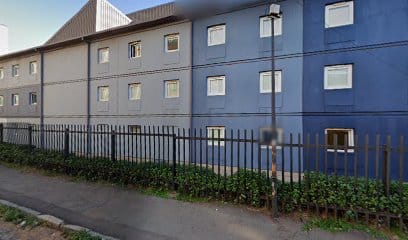
Typical accommodation in Johannesburg ranges from stylish lodges and boutique B&Bs to modern hotels and guesthouses. For travellers seeking personalised service with a local flavour, a lodge such as Lily Lodge can provide a cosy, curated experience with attentive hosts, private en suite facilities and convenient access to key sights. Whether you prioritise breakfast inclusions, a pool, or a good on-site restaurant, check how the property balances comfort with practicality for day trips and evening activities.
Choosing the right area is often the first decision. If you want quick access to business hubs, shopping and bold city life, consider Sandton or Rosebank. For a more artsy, pedestrian-friendly vibe with easy access to museums and markets, Braamfontein and Maboneng are popular. If you’re curious about history and culture, the central city corridor around the Museum Africa and Constitution Hill offers rich stories and a more affordable lodging scene. For a leafy, residential feel with a village atmosphere and boutique dining, Melville or Greenside can be appealing, while Linden and Norwood provide a mix of tranquillity and convenient transport links.
When booking, pay attention to a property’s transport options and neighbourhood safety features. A good hotel or lodge should provide clear guidance on nearby Gautrain stations, taxi and rideshare availability, and secure on-site parking if you’re driving. For many travellers, proximity to public transport or major routes makes a significant difference to daily plans, particularly if you plan to explore multiple sights across the city and its surrounds.
Typical amenities that help a stay run smoothly include reliable heating or air conditioning, a well-equipped kitchen or tea and coffee facilities, free Wi‑Fi, secure parking, and generous luggage storage. Some guests appreciate a flexible cancellation policy, accessibility features, in-room workspaces for a short business stay, and a willingness to arrange airport transfers or guided experiences. If you’re visiting during the warmer months, outdoor spaces such as a pool or balcony become a real plus, while in the cooler season a cosy lounge area with a fireplace or warm lighting adds comfort after a day of exploring.
Practical planning tips to make the most of your visit:
- Pre-book key sights and experiences where possible, especially for popular guided tours and museum visits.
- Check what meals are available on-site and whether the property can accommodate dietary preferences in advance.
- Consider a mix of accommodation styles during your stay to experience different neighbourhoods without long daily commutes.
- Look for properties that provide practical information about safe routes, suggested self-guided walks, and nearby eateries outside the immediate tourism hubs.
- Pack adaptable layers for Johannesburg’s climate, and plan for occasional power outages by keeping devices charged and having a light source handy.
Top attractions and experiences generally available in a broad sense include world-class museums and galleries, historical sites that tell the story of the city and the country, markets with crafts and street food, and public art you can discover on walking routes. In addition to curated day trips, many travellers enjoy exploring neighbourhoods on foot or by short rides to see how Jo’burg blends modern high-rise life with historic memory and vibrant street culture. For nature lovers, suburban greenspaces, botanical gardens and nearby nature reserves offer refreshing contrasts to the urban core.
Dining in Johannesburg is diverse and reflects the city’s cosmopolitan makeup. Expect a range of options from contemporary bistros to traditional favourites and modern fusion concepts. When planning meals, you’ll often find well-regarded eateries in the same buildings as hotels or lodges, or in nearby districts known for nightlife and casual dining. If you’re staying in a lodge or boutique property, ask staff for local recommendations to discover places where you can sample regional flavours in relaxed settings.
Best time to visit Johannesburg is generally during the Southern Hemisphere’s autumn and spring when the weather is mild and outdoor activities are comfortable. The winter months offer crisp, sunny days that are ideal for outdoor markets and city walks, while the summer brings afternoon showers and vibrant street life. If you intend to pair your stay with a visit to nearby nature reserves or day trips to Pretoria and beyond, plan with daylight hours in mind and note local traffic patterns, particularly on weekdays.
To get around, a combination of rideshare apps, car hire and, where convenient, the Gautrain can be effective. Many properties provide guidance on safe travel options, and some may offer shuttle services or partner with local operators for day trips. Booking a stay that includes flexible transport arrangements or close proximity to major transport hubs can save time and reduce stress, especially if you’re navigating Johannesburg’s diverse neighbourhoods for the first time.
Ultimately, a well-planned stay in Johannesburg balances comfort with curiosity. By choosing a thoughtfully located base, prioritising essential amenities, and staying flexible with daily plans, you can immerse yourself in the city’s dynamic energy while ensuring a relaxing, well-supported accommodation experience.