Durban: Accommodation, Attractions and Practical Tips for Visitors
Durban, a vibrant coastal city in KwaZulu-Natal, blends subtropical warmth with rich cultural flavours and a laid‑back seaside vibe. It is well suited to travellers seeking comfortable B&Bs, boutique hotels, and guesthouses that place you within easy reach of the Indian Ocean, energetic streets, and diverse dining. A well‑planned stay helps you make the most of Durban’s unique mix of beaches, markets, nature trails and family‑friendly attractions.
When choosing where to stay, consider the neighbourhoods that best suit your interests. The coast offers easy access to the beach, promenade walks, and a vibrant beachfront atmosphere. The central and Golden Mile areas are convenient for city‑side attractions, festivals, and restaurants, while Musgrave and Glenwood provide easy access to shopping and leafy residential streets with charming guesthouses and boutique stays. If you want a more relaxed, residential feel close to nature, places inland near the green hills or the harbour precinct can offer a quieter base with quick routes to coastal sights.
Booking tips to keep in mind:
- Look for clear descriptions of room layouts, private bathrooms, and bedding configurations to ensure it suits your party size.
- Check the proximity to the places you plan to visit, and whether the property provides transport options or easy access to reliable public transit.
- Read recent guest reviews for practical details on cleanliness, noise levels, and host responsiveness.
- Verify the amenities you value most, such as air conditioning for Durban’s warm months, reliable Wi‑Fi, secure parking, and breakfast options.
- Consider whether you prefer a full‑service hotel experience or a more intimate B&B with personalised recommendations from hosts.
A typical Durban stay is enriched by the right mix of accommodation features. Expect welcoming hosts who can share local tips, a comfortable bed with a good mattress, and thoughtful touches such as tea and coffee facilities, fresh towels, and secure storage for luggage. In many B&Bs and guesthouses you’ll also find communal spaces—such as a sunny breakfast room or a courtyard garden—where you can mingle with fellow travellers or simply unwind after a day out. Some properties offer assisted airport or harbour transfers, while others provide information on dependable local transport options.
Transport around Durban is straightforward but varies by area. The city is served by a coast‑hugging road network, and ride‑hailing services are widely available. If you plan day trips to regional attractions, you may wish to rent a car or arrange guided tours through your accommodation. For shorter visits, a well‑located base near the beachfront or central business district can minimise daily travel time while giving you convenient access to sights and dining.
Best time to visit Durban generally centres on warm, sunny weather that makes the beaches and outdoor activities most enjoyable. The summer season runs roughly from November to March, with higher humidity and the occasional tropical shower. Winter, from June to August, is mild by South African standards and can be pleasant for city wandering and inland excursions. Festival periods and school holidays bring a lively atmosphere but may also mean busier streets and higher demand for accommodation, so booking well in advance is advisable during peak times.
Where to base your stay for different interests:
- Beachfront and Golden Mile: ideal for sun and sea lovers, easy promenade walks, and quick access to seafood and casual dining.
- City centre and Berea: convenient for markets, museums, and heritage walks, with a range of boutique stays and guesthouses.
- Durban North and Glenmore: quieter residential areas that still offer good access to beaches and nature reserves.
- Hibiscus Coast day trips: for adventurous travellers who want to combine coastal scenery with wildlife experiences beyond Durban.
Highlights of what to do during your stay include relaxing on sandy beaches, exploring vibrant markets, and enjoying scenic drives along the coast. Cultural experiences abound, with opportunities to learn about Zulu heritage and South Africa’s broader history through guided tours and museum visits. For those seeking culinary delights, Durban’s reputation for flavoursome, multicultural cuisine makes dining a highlight—from street‑food style bites to more refined dining rooms offering regional seafood and curries. Most visitors find it easy to sample a mix of casual eateries and restaurants that celebrate South African coastal fare without venturing too far from their base.
Practical tips to help you plan a smooth stay:
- Pack sun protection and lightweight layers for warm days and cooler evenings along the coast.
- Carry a small amount of local currency for markets and small vendors, while most places accept card payments.
- Confirm breakfast arrangements in advance if they are a deciding factor for your daily plans.
- Ask hosts or reception staff for trusted transport options and reputable local operators for tours or activities.
- If your schedule includes early departures or late arrivals, check how access to your accommodation is arranged and whether there is 24‑hour reception or self‑check‑in options.
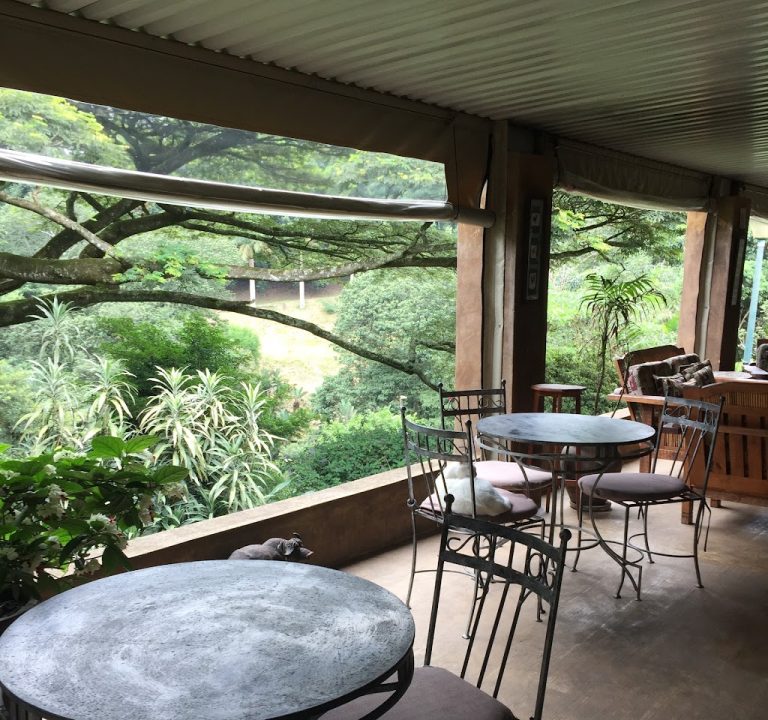
To illustrate accommodation variety, consider a well‑located B&B such as Queenz Bed & Breakfast, which combines a personalised guest experience with convenient access to Durban’s coastal and city sights. For more information, you can explore a dedicated page at the property’s website: Queenz Bed & Breakfast.