Durban, KwaZulu-Natal: a guide to staying, sightseeing and savouring
Durban blends golden beaches, subtropical climate and a vibrant, multicultural cityscape. When planning a stay in this coastal hub, consider areas that match your rhythm and interests. The beachfront precincts offer easy access to sea and promenades, while up‑market suburbs provide quieter streets and refined dining. For a more urban experience, inland neighbourhoods with leafy streets and direct access to markets and cafés can be perfect for exploring on foot. An appealing option for many visitors is a well‑placed bed and breakfast, such as a characterful option in central or coastal locations, which offers a personal welcome and a more relaxed pace than a larger hotel. If you’re seeking a more intimate base, a niche B&B in a smaller villa or guesthouse can be a gateway to Durban’s culture and cuisine while still feeling like a home away from home.
Accommodation in Durban spans stylish boutique lodges, family‑run guesthouses and contemporary city‑centre stays. When choosing where to stay, think about proximity to the city’s main attractions, the convenience of local transport, and the type of breakfast or included amenities you prefer. For beach access and easy morning strolls, options near the Golden Mile and uShaka Marine World area are popular. If you’d rather avoid peak‑hour city traffic, consider staying in the southern suburbs or in Umhlanga, which tends to offer a calmer seaside atmosphere with a range of dining and retail options within a short drive.
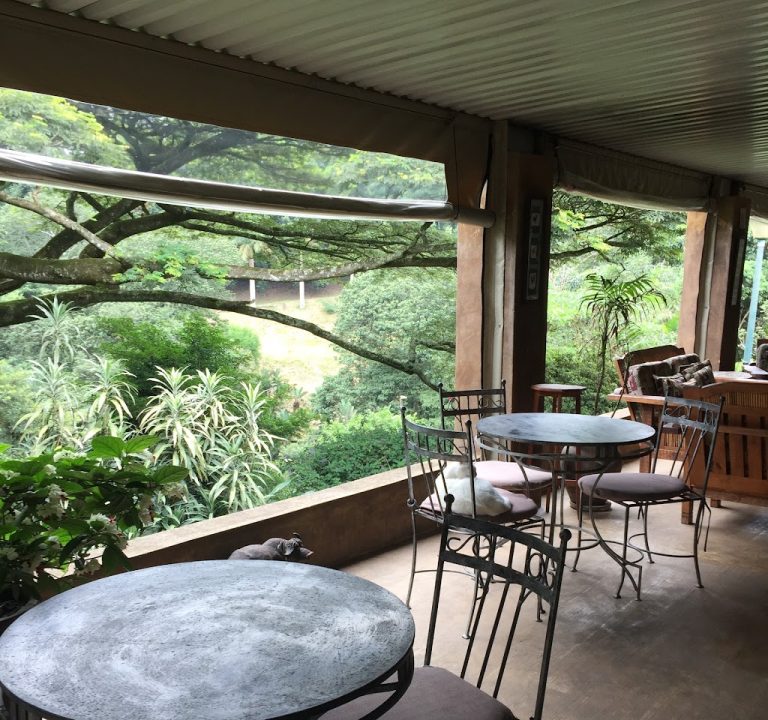
Typical amenities to look for include comfortable en‑suite bathrooms, reliable Wi‑Fi, air conditioning or ceiling fans (important in Durban’s warm climate), and off‑street parking or secure access. A guesthouse that offers a generous breakfast can set you up for day trips, with friendly, local recommendations for places to eat and sights to see. If you’re visiting in the warmer months, a shaded patio or a pool can be a welcome relief after a day on the sand. For travellers who value flexibility, confirm check‑in times and whether self‑catering facilities are available, as some B&Bs provide a guest kitchenette or a shared lounge area.
Transport in Durban is straightforward but varies by area. The MyCiTi bus network links key parts of the city and surrounding suburbs, while taxis and ride‑hailing apps are widely available. If you’re staying near the coast, you’ll likely walk a good deal, especially along promenades and harbourfront areas. For day trips beyond the city, a car can be convenient, though many visitors happily use guided tours or private transfers. When booking accommodation close to a major thoroughfare or near a popular beach, ask about on‑site parking and safety, particularly if you plan to return after dark.
Best time to visit Durban is guided by weather and the tempo of activities. The city’s warm, humid summers run from roughly October to March, with afternoon showers possible. Winters (May to August) are milder and very pleasant, with lower humidity and comfortable days for exploring outdoor markets, gardens and heritage sites. If you enjoy whale watching, late winter and early spring can be rewarding from certain coastal vantage points. Consider the city’s rainfall patterns and flight schedules when choosing your dates, and think about booking in advance for popular events or long weekends, especially near school holidays.
When planning your itinerary, balance time for relaxation by the sea with visits to Durban’s cultural and culinary highlights. The city’s coast is lined with beaches, promenades and marine attractions that are best enjoyed at a leisurely pace. Inland, you’ll encounter markets, historic buildings and modern galleries that reflect Durban’s diverse heritage. Dining in Durban ranges from informal curry houses and beachside eateries to contemporary restaurants offering coastal‑inspired menus. A stay that includes a couple of 自guide‑recommended meals can be a delightful way to sample the region’s flavours without having to plan every evening in advance. Always have a flexible plan to accommodate weather shifts or spontaneous discoveries.
Practical tips to help you plan a smooth stay:
- Check the neighbourhood character when you book—quiet residential streets contrast with vibrant seaside corridors.
- Look for a guesthouse with clear restaurant or cafe recommendations from the host or guestbook.
- Ask about breakfast arrangements, parking availability and boundaries for late arrivals.
- Confirm accessibility to places you want to visit, such as beaches, markets and venues, and whether a car is necessary.
- Bring a light layer for evenings and a hat for daytime sightseeing; Durban can be sunny and humid.
- Consider a short, planned mix of beach time, garden or park visits and a couple of cultural experiences to avoid fatigue.
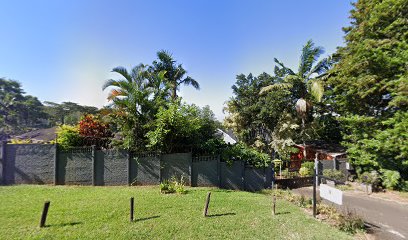
For a concrete example of a shoreline stay, consider properties like 14 on Neville, a bed & breakfast that embodies a personalised, homely approach to Durban hospitality. It can provide a convenient base from which to explore both the coast and inner city. If you’d like more inspiration, reputable Durban‑area guides and tourism portals offer practical overviews, area maps and suggested routes to help you tailor a stay to your interests.
To learn more about Durban and Durban’s surrounding KwaZulu‑Natal region, visit official tourism sites that offer practical travel planning, ideas for day trips and general visitor information. These resources can help you refine your itinerary, compare accommodation options and discover attractions and dining that suit your style and budget.