Durban: Where to Stay and What to Do for a memorable KwaZulu-Natal visit
Durban, perched on the eastern coastline of KwaZulu-Natal, offers a vibrant mix of sun, sea and culture. When planning a stay, consider a few key areas that each bring a different flavour: the bustling beachfront precincts along the Golden Mile, the family-friendly and leafy suburbs inland, and the coastal neighbourhoods with a mix of lodges, guesthouses and boutique hotels. Choosing the right base can make a big difference to how convenient and enjoyable your trip feels.
Beachfront stays in areas such as the central coastline and Umhlanga provide easy access to sandy shores, promenades, and a steady stream of dining and nightlife. If you prefer a quieter environment while still being close to key sights, the northern suburbs offer leafy streets, modern apartment-hotels and guesthouses within a short drive of the coast. For a more authentic, community-forward experience, consider stays in the congested-but-charismatic Berea and central Durban, where the city’s historic late-Victorian and Art Deco heritage sits alongside contemporary eateries and markets.
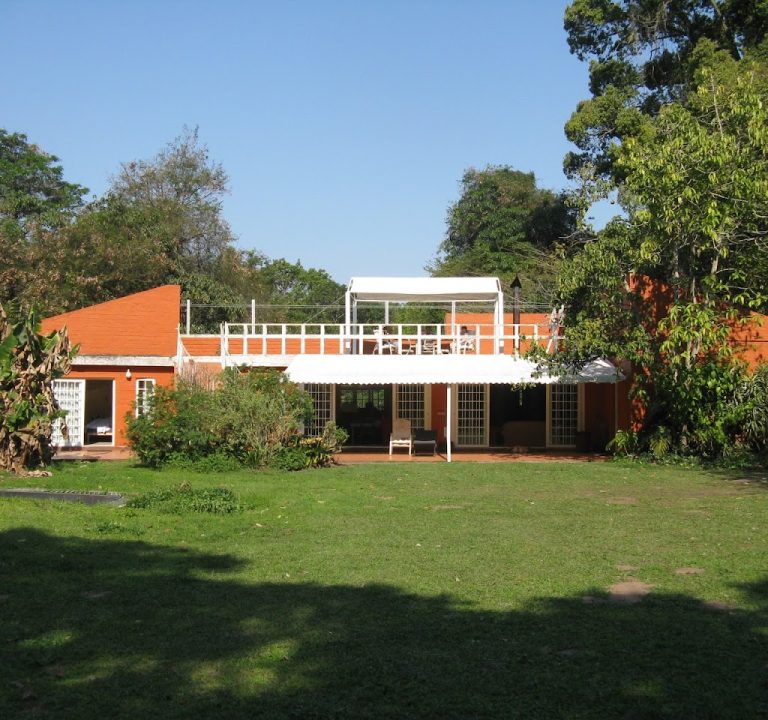
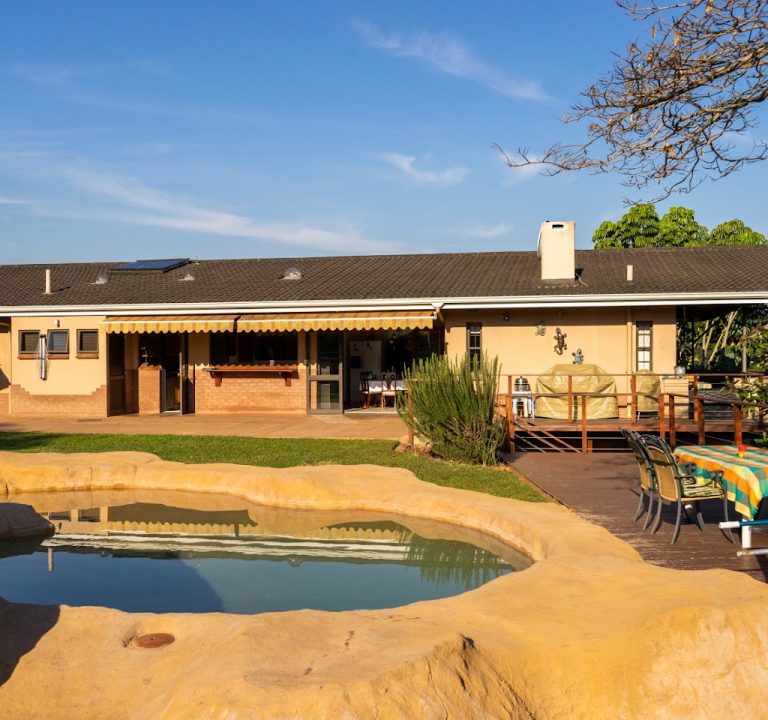
Accommodation in Durban spans a broad spectrum. You’ll find stylish boutique hotels with thoughtful design, classic guesthouses with personalised service, self-catering flats for longer stays, and mid-range hotels that balance comfort with value. When booking, look for a few practical hallmarks: secure parking or easy street access, reliable air conditioning (Durban can be warm and humid), and contemporary en suite bathrooms. If you’re travelling with family, a serviced apartment or a ground-floor suite with a small kitchen can be particularly convenient. For a touch of comfort after a day of exploring, check if the property offers on-site facilities such as a pool, reliable Wi-Fi, and a simple breakfast option or access to a shared lounge area.
Typical amenities to prioritise include a convenient location within walking distance of beaches or major attractions, on-site parking, and a responsive front desk with guest services. Some properties may offer guided tours or partnerships with local experiences, which can be a smart way to maximise free time. If your plans include early departures for day trips, ask about continental or hot breakfast options and whether the venue can arrange breakfast boxes or early-morning arrangements. For longer stays, a kitchenette or self-catering facilities can make a substantial difference to daily costs and comfort.
Transport in Durban is relatively straightforward, though planning helps. If you do not plan to hire a car, look for properties near major bus routes or close to taxi ranks and rideshare pick-up points. The city’s coastal and inland suburbs are connected by arterial roads and motorways, with traffic patterns varying by time of day. For trips to the city’s more rural or hillside attractions, you may want to arrange a guided day tour or a private transfer through your accommodation. If you are comfortable driving, a car gives you the most flexibility to explore beyond the city’s core, including nearby nature reserves and scenic viewpoints along the coast.
Best time to visit Durban is driven by weather and events. The city enjoys warm, subtropical conditions most of the year, with the hottest period typically in the summer months. Winter brings milder days and cooler evenings, which can be very pleasant for sightseeing. The city’s seasonal calendar also features indoor and outdoor events, shopping and culture that can enrich your stay. If you’re visiting during school holidays or peak season, book well in advance to secure preferred accommodation and, if possible, the best locations relative to the beach or city sights.
When planning activities, you can balance outdoor adventures with cultural and culinary experiences. Durban’s coastline offers safe, accessible beaches and promenades ideal for a morning walk or a sunset stroll. The introduction of world-class shopping and dining districts nearby means you can pair a seaside stroll with a relaxed meal in the evenings. If you’re up for nature, you can explore local botanic gardens or nearby nature reserves that provide scenic trails and wildlife sightings. Family-friendly attractions and educational experiences are widely available across the city and its environs, often with renewed emphasis on accessibility and comfort for visitors of all ages.
Dining in Durban ranges from casual beachfront eateries to more refined experiences, with a spectrum that includes seafood, barbecue-style grills, and diverse international cuisines. The city’s dining scene reflects its multicultural heritage, so you can expect a mix of flavours, from coastal grilled fish to Indian-inspired curries and modern fusion plates. For a balanced plan, book a restaurant with a central location so you can finish the evening with a stroll along the sea wall or a short drive back to your accommodation. If in doubt, ask your host or hotel concierge for recommendations based on your taste and budget, as they can tailor suggestions to busy periods and seasons.
- Booking tips: read recent guest reviews for consistency, verify parking and proximity to the beach or city sights, and confirm breakfast options if needed for early starts.
- Practical planning: consider light packing for warm days and cooler evenings near the coast, bring sun protection and comfortable walking shoes, and check local safety guidance for beaches and night-time areas.
- Experience ideas: a coastal walk at sunset, a cultural or market visit exploring Durban’s neighbourhoods, and a food-focused stroll to sample a range of cuisines with a relaxed pace.
Durban is a destination where accommodation can act as a comfortable base from which to explore a richly layered city. With a thoughtful approach to where you stay, what you want from your days, and how you move around, you can craft a stay that feels both relaxed and thoroughly engaging. For those seeking a balance of coastline, culture and cuisine, Durban offers options that can suit a range of tastes and budgets, all within reach of the region’s southern and inland wonders.