Durban accommodation and experiences: planning a comfortable stay in KwaZulu-Natal
Durban in KwaZulu-Natal offers a vibrant mix of beachside charm, cultural experiences and convenient access to the wider KwaZulu-Natal coast. When planning a stay, consider the areas that best suit your interests and pace, from lively urban rooftops to quiet coastal retreats. A well‑chosen base can make it easy to enjoy the city’s beaches, markets, and family-friendly attractions while keeping travel times reasonable.
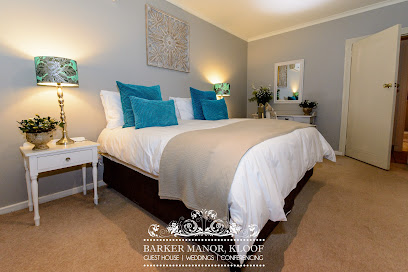
Popular areas to consider include the north-facing stretch along the Golden Mile for easy beach access and promenade strolls, the central Berea for historic architecture and easy connectivity, and the residential–seaside zones of Umhlanga and Musgrave for a more relaxed atmosphere with a range of guesthouses, boutique hotels, and dining options. For a calmer stay with convenient highway access to the south coast and inland paths, look at Davenport, Queensburgh, or smaller boutique properties near the harbour. A well‑placed accommodation such as Barker Manor Guest House can serve as a comfortable example of how a thoughtfully designed guest house fits into Durban’s hospitality scene, offering easy access to key routes, local eateries and cultural sites.
When booking, check several practical details that influence the overall experience. Consider room configuration and layout—particularly if you are travelling with family or a group—as well as natural light, air conditioning for Durban’s warm climate, and privacy features. Verify the availability of on‑site parking if you plan to hire a car, and note whether breakfast is included or if there are nearby café options. Look for guest houses and hotels that offer reliable housekeeping schedules, reputable security measures, and straightforward access to public transport or convenient taxi services. If a property markets itself as family-friendly or business-friendly, ensure the amenities align with your needs, such as wifi reliability, workspaces, and child‑safe facilities.
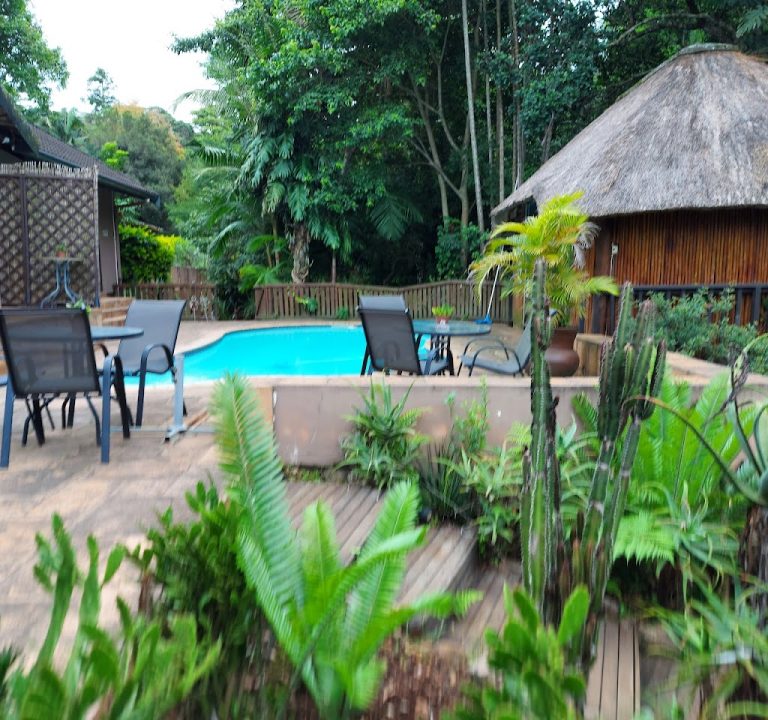
Typical amenities you might encounter include well‑appointed en‑suite bathrooms, minibars or tea‑and-coffee stations, laundry facilities, and communal lounges or verandas that maximise Durban’s outdoor lifestyle. Outdoor spaces—balconies, courtyards or gardens—are particularly appealing for catching breezes after a day of sightseeing. A few properties may offer small kitchens or kitchenette facilities, which can be handy for longer stays. Where possible, ask about late‑check‑in arrangements if you plan to arrive after normal hours, and check policies regarding guests, visitors, and local guidance.
Transport in Durban is generally straightforward, though planning ahead helps. If you are driving, staying near major routes or the highways makes day trips to the inner city, the uShaka Marine World area, or the nearby Dolphin Coast quicker. If you prefer public transit, Durban has a coastal commuter network, buses, and ride‑hailing services. Proximity to a taxi or app‑based services can save time during evenings out. For visitors staying near the seafront, a short stroll to the promenade and beaches is common, with many eateries and street markets within a pleasant, walkable radius.
The best time to visit Durban depends on your priorities. The city enjoys a subtropical climate, with warm, humid summers and milder winters. Beachgoing is most appealing in the warmer months, while spring and autumn offer pleasant temperatures for outdoor activities and sightseeing. If you are planning outdoor excursions along the coast or into the interior, consider local rainfall patterns and the occasional tropical shower in the warmer season. Durban also hosts cultural and culinary events at various times of the year, which can add a memorable layer to your itinerary, whether you are staying in a hotel, guest house or a boutique lodge.
Accommodations in Durban range from intimate guest houses to contemporary hotels and boutique lodges. When choosing where to stay, think about what pace you want: a central base with quick access to markets, galleries and the harbour, or a beach‑front location that maximises morning walks and sunset views. Reading guest reviews can provide insight into the consistency of service, the friendliness of staff, and the real‑world details that matter to a stay, such as soundproofing, breakfast quality, and the reliability of hot water and heating or cooling systems.
In addition to lodging, a stay in Durban can be complemented by leisurely days at the beach or harbour area, gentle markets and cafés, and regional food experiences that celebrate the city’s coastal influence and diverse heritage. For a balanced itinerary, plan a mix of waterfront strolls, a visit to a cultural precinct or museum, and a relaxed meal at a local restaurant that reflects Durban’s culinary character. If you are seeking a convenient one‑stop option, many properties offer guest‑only lounge areas or concierge services that can help organise local tours or recommendations for day trips to nearby coastal towns and nature reserves.
- Research the area that best fits your interests (beach access, cultural venues, or quieter residential streets).
- Check for essential amenities: reliable wifi, air conditioning or fans, parking, and self‑catering facilities if desired.
- Confirm transport options: proximity to major routes, access to taxis or ride‑hailing services, and walking safety around the neighbourhood.
- Read reviews for honest feedback on value, service, and cleanliness.
- Plan a balanced itinerary with a mix of beaches, markets, museums or galleries, and dining experiences.
Durban offers a welcoming hospitality scene where a well‑chosen stay supports easy access to the city’s highlights while providing comfort and practicality for travellers. Whether you select a boutique guest house, a family‑run lodge, or a modern hotel, a thoughtful approach to planning will help you make the most of your visit to this vibrant KwaZulu-Natal destination. For further inspiration, you can explore Durban’s official tourism resources and local site recommendations via reputable travel guides and current consumer‑facing portals.