Durban: Accommodation, attractions and planning a stay in KwaZulu-Natal
Durban, on the east coast of South Africa, offers a warm climate, golden beaches and a vibrant mixture of cultural influences. When planning a stay, consider how you want to experience the city – quiet coastal mornings, bustling markets and arcades, or easy access to the inland hills and wildlife reserves. Self-catering options, guesthouses, boutique hotels and lodges sit along the coast, in trendy neighbourhoods, and in the surrounding suburbs, giving visitors a range of prices, atmospheres and conveniences. One example you may encounter is Lilac Cottage, a self-catering option that provides a home-from-home base for exploring both city and coast.
Choosing the right area makes a big difference to your Durban experience. The beachfront and Golden Mile areas lend themselves to long strolls, sea breezes and easy access to beaches, promenade eateries and cycle paths. If you prefer a more residential, leafy setting with a local heart, look to inland suburbs where guesthouses and small hotels often place you close to markets, cafés and heritage spots. For those seeking a strong hub of activity, the city centre and nearby districts offer a blend of modern conveniences, entertainment and quick connections to the wider KwaZulu-Natal region.
When you book, think about a few practical details. Transport is straightforward but varies by area: many accommodation options provide on-site parking, and Uber or local ride-hailing services operate in the city; bus routes and minibus taxis offer cheaper options but can be less predictable. If you are visiting with luggage or heavy beach gear, a place with proximity to your planned activities and a short taxi ride to the coast can save time and hassle. For travellers who want to explore beyond Durban, it helps to check whether a property offers airport transfers or has convenient links to main roads and highways toward the interior and to the KwaZulu-Natal coast.
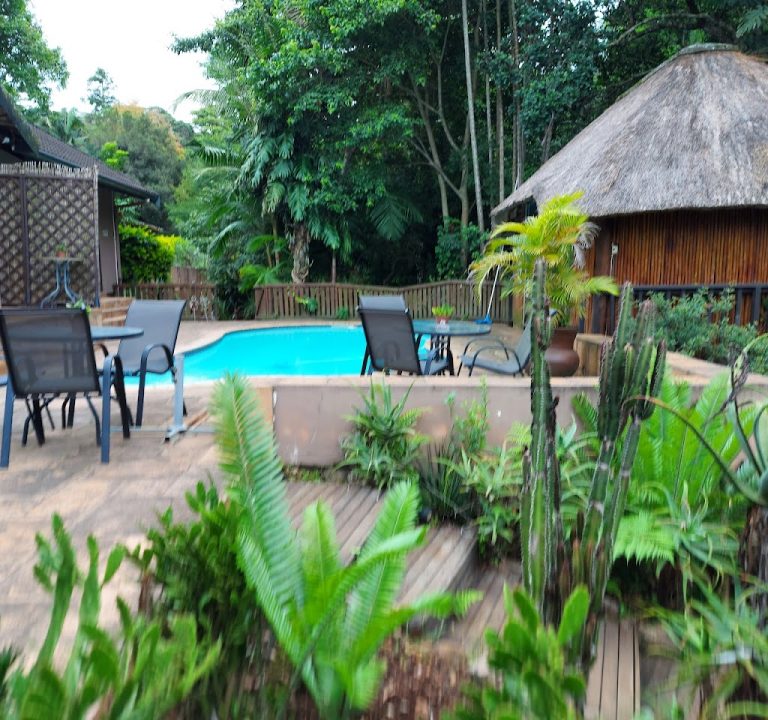
Typical amenities at Durban accommodation can make a stay more relaxing and convenient. Self-catering properties often feature well-equipped kitchens, comfortable living spaces and outdoor areas where you can enjoy the subtropical climate. Guesthouses and boutique hotels commonly provide en-suite bathrooms, daily housekeeping, Wi‑Fi, and on-site parking. Other desirable touches include air conditioning or fans for warm days, secure access, in-room safes, laundry facilities, and shared spaces such as lounges or outdoor patios. If you are travelling with family or a group, look for flexible room configurations, and note whether units are self-contained or share facilities with other guests.
Planned activities for a Durban visit can be varied. Beach time on the Indian Ocean is a central draw, followed by green spaces such as parks and coastal reserves. The city often serves as a gateway to the nearby Durban North and Umhlanga areas, where promenades, seafood spots and scenic walks are popular. Culture and history are expressed through museums and heritage sites, while markets and street food scenes offer a flavour of the regional cuisine. For nature lovers, day trips to the nearby hills, botanical routes and wildlife reserves are convenient options. Families may appreciate beaches with gentle currents and protected coves, while couples and solo travellers might enjoy sunset walks along the shore or in urban settings with a strong café culture. When planning your itinerary, allow time for both leisure days and exploration days, and keep some flexibility for weather and unusual openings.
Best time to visit Durban depends on your priorities. The warm subtropical climate means milder winters and hot summers. Summer (roughly November to March) brings higher humidity and the possibility of rain, often in the form of short, intense showers. Winter (June to August) is typically dry and pleasantly warm, with cooler evenings. If you prefer calmer beaches and easier outdoor experiences, shoulder seasons—spring and autumn—offer comfortable temperatures and fewer crowds. Coastal winds can be a factor for surfers and water-sport enthusiasts, while calmer days may suit sunbathers and relaxed strolls along the promenade.
Practical tips to maximise your stay:
- Book accommodation with secure access, good lighting and reliable Wi‑Fi, especially if you plan to work remotely or share with others.
- Consider a self-catering option if you enjoy cooking and saving on meals, or choose a property with a nearby bakery and market for fresh produce.
- Check proximity to the beach and to public transport or parking facilities to reduce daily transit time.
- Read reviews to gauge noise levels, host responsiveness and the accuracy of advertised amenities.
- Pack sun protection, a light jacket for cooler evenings, and comfortable footwear for walking along promenades and town lanes.
For a well-rounded Durban stay, balance time by the coast with exploratory days in the inland suburbs and nearby sites. While planning, keep a flexible mindset and use official tourism resources to identify seasonal events, markets, and cultural experiences. Durban’s blend of seaside leisure, urban charm and hinterland escapes makes it possible to tailor a visit to suit family holidays, romantic getaways or solo adventures. Websites for official city and regional tourism can provide practical guidance on current attractions, dining ideas and itineraries that align with your chosen accommodation and preferred pace of travel.
If you would like a starting point for your trip planning, consider exploring Durban’s broader accommodation options, from beachfront flats to characterful guesthouses and self-catering cottages such as Lilac Cottage, which may offer the independent convenience of a kitchen and living space while keeping you close to the city’s highlights and coast. For those who prefer a guided approach, dedicated Durban tourism pages and reputable travel sites can help you assemble a balanced itinerary that blends beaches, markets, history and cuisine into an enjoyable, comfortable stay.