Durban, KwaZulu-Natal: Where to stay, what to do, and how to plan your visit
Durban offers a dynamic mix of sunny beaches, bustling markets, and verdant hill country just beyond the city. When choosing a place to stay, consider not only the room itself but how easy it is to access the city’s wide array of attractions. Durban’s accommodation ranges from intimate bed and breakfasts to modern city hotels and stylish guesthouses, many with warm, hospitality-driven service that’s ideal for travellers seeking a relaxed pace with a touch of local flavour. In particular, a well-placed boutique B&B in a suburban or coastal neighbourhood can provide a comfortable base for exploring the area while offering a home-from-home atmosphere.
Areas to consider include the coast and beachfront precincts, which benefit from easy access to promenades, pitch-perfect sunsets, and a lively dining and nightlife scene. The central and hill suburbs tend to offer quieter streets, charming period homes, and convenient access to historic architecture, markets, and coffee hotspots. For families and groups, Durban North and other residential neighbourhoods linked to good transport routes can provide generous space and calm, with straightforward trips to beaches and family-friendly sights. When booking, ask about parking arrangements, security, proximity to public transport or rideshare hubs, and whether breakfast is included or available as a separate option.
Typical amenities to look for include reliable wi‑fi, on-site parking, clean ensuite bathrooms, and climate control suitable for Durban’s warm summers and mild winters. Many bed & breakfast properties in and around Durban offer communal lounges or terraces, hearty home-cooked breakfasts, and insightful tips from hosts about local attractions, markets, and day trips. If you’re travelling by car, confirm the availability of secure parking and easy routes to major arterial roads; if you’re relying on public transport, check nearby bus stops, taxi or rideshare pickup points, and access to key rail links. A short, well-planned stay can be richly enhanced by properties that provide thoughtful extras such as luggage storage, late-check-in options, and information packs on local dining and activities.
Transport around Durban is straightforward but can vary by area. Within the city, taxis and rideshares provide convenient door-to-door service, while some areas offer walkable streets and pedestrian routes along the beachfront. If you plan day trips to the surrounding countryside or nature reserves, consider staying in a central location with easy access to major routes. For longer stays, a car may be preferable to maximise flexibility for coastal drives, nature trails, and exploration of nearby towns and villages. If you prefer a lighter touch, look for accommodation with helpful staff who can arrange transfers, guided walks, or recommended day trips.
The best time to visit Durban is shaped by weather and crowds. The summer months (roughly November to March) bring warm seas and lively coastal life, but can also be humid and rainy. The shoulder seasons—late spring and early autumn—often offer milder temperatures and quieter streets, which can be ideal for exploring markets, parks, and cultural sites without the peak-season bustle. Winter (June to August) remains mild by many standards, with plenty of opportunities for outdoor activities and sunshine, though sea swimming is cooler. Regardless of when you travel, bring light layers for evenings and the occasional warm spell, and remember that coastal weather in KwaZulu-Natal can shift quickly.
When planning what to do, mix relaxation with a handful of standout experiences. Durban’s beaches invite long strolls along the promenade, early-morning swims, and sunset viewing. Take advantage of the city’s museums, markets, and cultural hubs to gain a sense of place, while day trips to surrounding hills and valleys offer lush scenery, local crafts, and opportunities for scenic drives. Food lovers should expect a range of dining options that reflect KwaZulu-Natal’s diverse communities—from casual seaside eateries to more polished dining rooms that celebrate seafood and regional ingredients. For many visitors, sampling the city’s breadth of cafés and informal eateries is a highlight in itself.
Among the practical tips for a smooth stay: read the property’s terms on cancellation and refunds, especially if plans might change; confirm what meals are included or available nearby if you’re starting early or returning late; and check whether the accommodation is a traditional B&B with shared spaces or a private guesthouse with more independent facilities. In a busy city like Durban, planning a loose itinerary with a few must-see anchors and several flexible options helps you adapt to weather, transport variations, and personal pace. Don’t forget to book ahead for popular periods and events, particularly along the coast and in peak seasons, to secure your preferred area and room type. For further inspiration and practical planning, consider resources and official visitor information online.
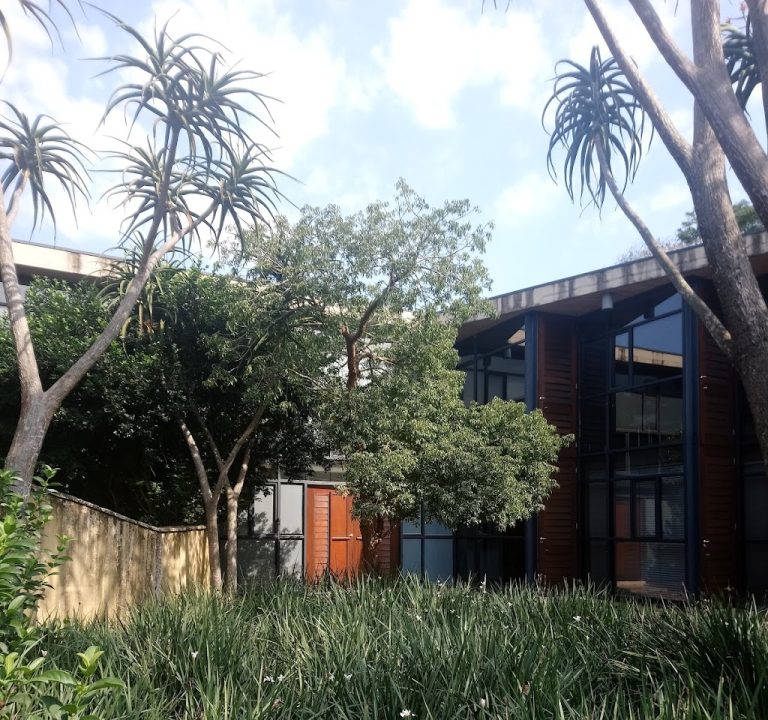
Those seeking a welcoming base with easy access to Durban’s sea air, markets, and hills will find options that strike a comfortable balance between homely accommodation and convenient connectivity. Blythewood, a well-regarded bed & breakfast in the area, exemplifies how a thoughtfully arranged guesthouse can make a stay memorable: clean, quaint rooms, helpful hosts, and proximity to both city amenities and countryside excursions. For more information and ideas on where to stay and what to do, visit Durban’s official tourism pages and trusted travel sites.
- Consider areas with easy access to beaches, markets, and transport routes.
- Check for inclusive meals, parking, and clear cancellation policies.
- Balance time between seaside relaxation and cultural or nature-based day trips.
- Plan for weather shifts and book flexible options during peak seasons.