Durban, KwaZulu-Natal: Where to stay and how to plan a relaxed, traveller-friendly visit
Durban sits along the Indian Ocean shore, offering a mix of sun-kissed beaches, lush green suburbs, and a vibrant cultural scene. When planning a stay in this coastal city, consider a few practical anchors: proximity to the sea, access to public transport or easy taxi links, and the character of the neighbourhood. Durban’s accommodation spans stylish boutique B&Bs, family-run guesthouses, mid-range hotels, and modern apartment stays, each with its own flavour and rhythm. Whether you favour a breezy beachside vibe, a leafy residential retreat, or a base near the hustle and bustle of the city centre, there are options to suit most itineraries and budgets.
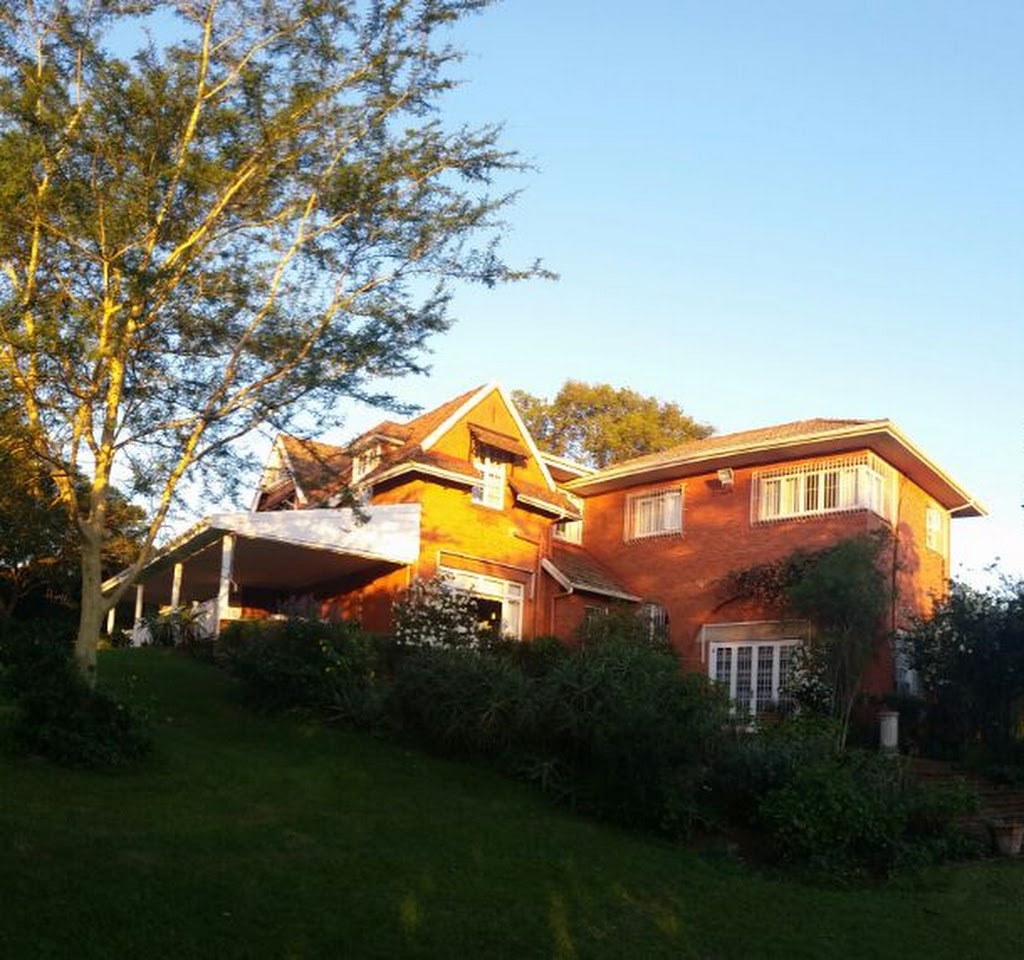
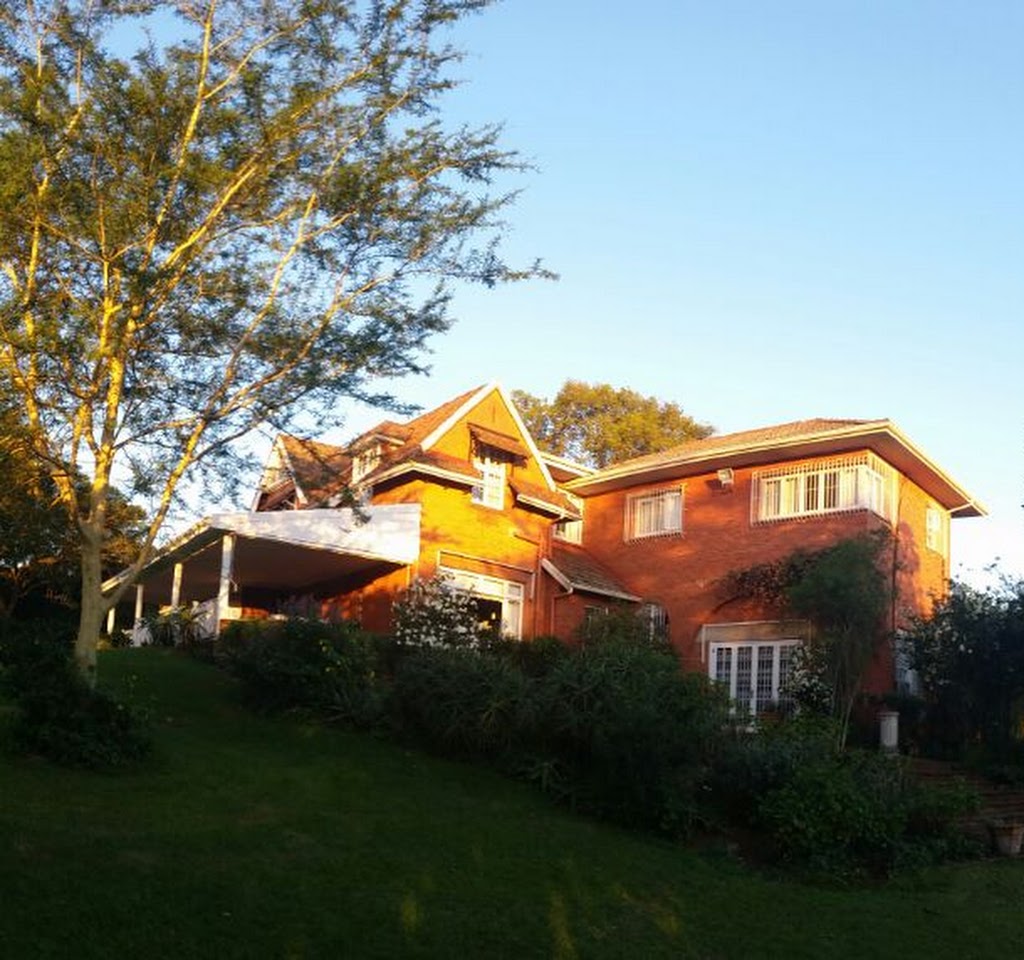
Areas to consider include the Golden Mile and beachfront precincts, where many guesthouses and boutique hotels offer easy access to sandy shores, promenade strolls, and casual eateries. The Berea, with its tree-lined streets and period homes, provides a more residential feel while staying within reach of Durban’s cultural highlights and dining options. Umhlanga Rocks offers a slightly more upmarket seaside alternative, with a modern pulse, coastal walks, and convenient dining scenes. For a central, well-connected stay, the Durban CBD and nearby districts such as Morningside and Glenwood deliver good access to independent cafés, markets, and cultural venues. If you fancy a short drive into the hills or countryside, the inland suburbs and the Valley of a Thousand Hills region provide a contrasting backdrop to the oceanfront.
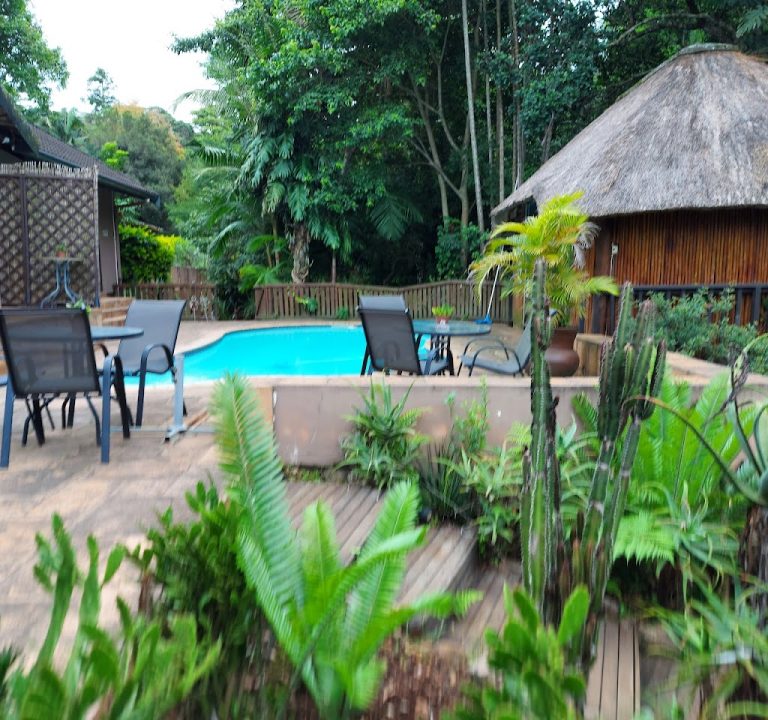
When you book, think about typical amenities and what will make your stay comfortable. Look for en-suite bathrooms, reliable air conditioning (Durban can be warm, especially in summer), secure parking if you’re driving, and a decent breakfast offering if you’re starting the day with energy for sightseeing. A guesthouse in Durban often emphasises personal hospitality, with hosts who can help with local tips, guided day trips, or transport arrangements. Booking portals and direct websites sometimes reveal guesthouse policies on check-in times, breakfast hours, and housekeeping frequency—these details can shape your daily plans.
Transport is a key consideration. Durban’s coastline is well-served by taxis and ride-hailing services, and many popular sights are reachable on short journeys. If you plan to stay outside the central areas, a guesthouse or hotel with on-site parking can be a practical advantage. For those who prefer a car-free stay, look for places that offer proximity to bus routes or Uber/bolt access to main attractions, beaches, and dining districts. Walking along the Golden Mile or exploring the central market areas is pleasant, but Durban’s heat and humidity can be intense at times, so an adaptable plan for mid-day breaks is wise.
Best time to visit Durban typically runs from spring to autumn (September to May), when the weather is warm and the sea is inviting. During the cooler winter months, the city remains pleasant, though some outdoor activities may feel brisk. Monsoon-style rain showers can arrive in the summer, so travellers often pack light waterproofs and plan indoor or covered activities for sudden downpours. If you’re keen on a coastal stay, selecting accommodation with good sea views or easy access to the beachfront can maximise your time outdoors. For cultural and food-focused trips, align your visit with local markets or festival periods when Durban’s diverse communities showcase crafts, music, and flavours.
Practical planning tips for a relaxed stay:
- Check the breakfast option and the flexibility of meal times, especially if you plan early starts for day trips.
- Ask about best routes to your desired attractions, and whether the property can arrange airport or station transfers.
- Consider a mix of accommodation styles if you’re staying for several nights—perhaps a beachside stay for the first few days and a central guesthouse for easy access to markets and eateries.
- Review the property’s policies on luggage storage, late check-ins, and security measures, which can influence your daily plans.
Attractions and dining experiences in Durban are best enjoyed with a relaxed rhythm. You’ll find expansive coastal promenades ideal for morning strolls, wildlife and marine displays within reachable venues, and a spectrum of eateries offering South African flavours alongside international twists. Beyond the beach, city parks, historic streets, and nearby towns provide a backdrop for easy day trips. Dining tends to span casual beachside venues to refined cafés and bistros, with menus that celebrate local produce and seafood, as well as comforting favourites for travellers seeking familiar comforts. If you prefer guided experiences, many operators offer city walking tours, nature drives, or cultural tastings that showcase the region’s warmth and hospitality.
Durban’s accommodation and experiences are well suited to a flexible, age-agnostic travel approach. Whether you’re planning a short beach break, a family-friendly escape, or a cultural weekend, the city’s varied stays can help you tailor a comfortable, stress-free itinerary. For a specific booking, it’s worthwhile to consult directly with the property’s own website or trusted travel platforms to confirm current availability, policies, and any local tips that could enhance your visit.