Durban: Where to stay, eat, and explore in KwaZulu-Natal
Durban, on KwaZulu-Natal’s subtropical coast, offers a rich mix of laid‑back beach life, buzzing city culture, and convenient access to broader KwaZulu-Natal sights. When planning a stay, consider the different neighbourhoods and what you want to get out of your visit: easy beach access and a strollable promenade, leafy residential streets near museums and markets, or a modern hotel hub close to major transport links.
Accommodation in Durban ranges from intimate bed and breakfasts and guesthouses to boutique lodges and larger hotels. Popular choices balance character with comfort: a guesthouse with a warm, personal welcome; a stylish hotel with a pool and on‑site dining; or a beachfront apartment offering the convenience of self‑catering with the ability to step out onto the sand. A well‑located option near the Golden Mile, the city’s scenic harbour, or the north coast villages of Umhlanga and New Town Beach can minimise travel time and maximise beach or family‑friendly days.
When booking, look for a few key features to help you plan efficiently. Reliable air conditioning or ceiling fans for Durban’s warm summers; good Wi‑Fi if you’re balancing work with leisure; and clear, flexible cancellation policies. If you’re visiting in peak season, proximity to beaches, markets, and restaurants can save you long walks or frequent short drives. Check whether the property offers secure parking, as space in some areas can be limited. Access to public transport or well‑rated taxi services is also worth confirming, especially if you plan to explore beyond the immediate area.
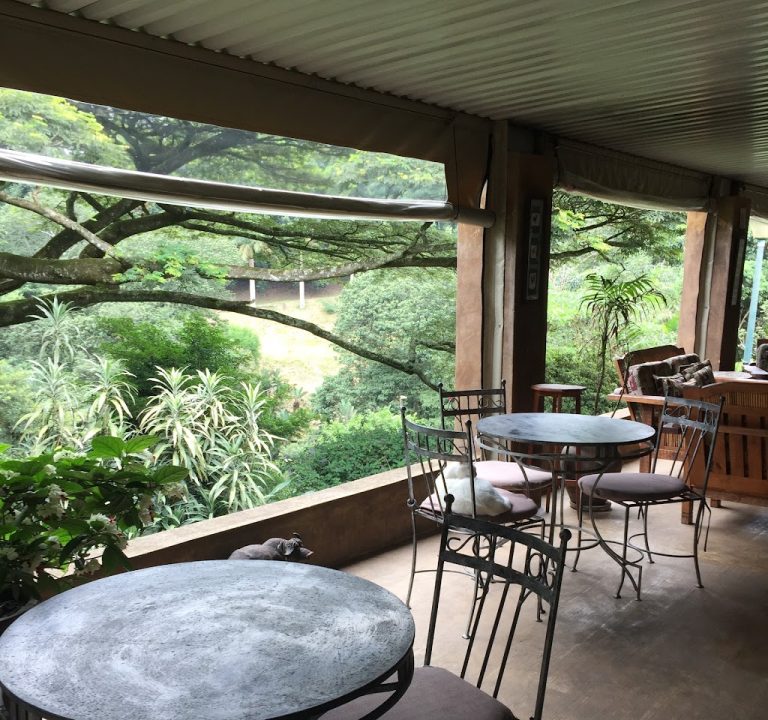
Typical amenities that travellers value include a welcoming lounge or courtyard, a well‑equipped kitchen or coffee facilities, and a complimentary breakfast option or easy access to nearby cafés. A pool, shaded outdoor spaces, and quiet rooms can be real advantages for families or guests seeking a restful base after days spent exploring museums, markets, or coastal trails. If you’re staying in a busy district, sound insulation and secure entry systems can contribute to a more comfortable night’s sleep.
Durban’s transport links make day trips straightforward. The city is served by major roads that lead to the hinterland and regional attractions, while local taxis, ride‑hailing apps, and organised tours provide convenient options for getting around. If you plan to visit outlying beaches or nature reserves, consider renting a car for the day. For shorter stays, a central base with easy access to taxis or ride‑hailing can be ideal for mornings at the beach and afternoons visiting galleries or markets.
- Neighbourhoods to consider: a beachfront area with easy access to the promenade and sea baths; a central area close to museums, markets, and shops; and a northern coast area with a more modern hotel cluster and easy beach access.
- What to look for in a stay: good air conditioning, dependable Wi‑Fi, clear cancellation terms, secure parking, proximity to beaches and eateries, and friendly hosts or staff with local tips.
- Practical planning: check ferry or harbour tours if you’re interested in coastal activities; budget time for beach safety, especially on busy days; reserve dining or experiences in advance during peak seasons.
Durban’s attractions span sunlit beaches, botanical spaces, and cultural experiences. You can expect long stretches of golden sands, gentle surf, and a lively waterfront where families and visitors enjoy the sea air. Behind the promenades, markets, galleries, and museums offer a sense of the city’s evolving culture. On the dining front, Durban’s culinary scene ranges from seafood shacks along the coast to contemporary eateries that showcase South African influences and international flavours. After a day of exploring, a stroll through a local market or a casual restaurant district can be a pleasant way to unwind.
Best time to visit generally aligns with Durban’s warm seasons, though the city’s subtropical climate makes it pleasant most of the year. Summer (roughly November to February) brings heat and humidity, with frequent showers and a chance of late‑afternoon storms. Winter (June to August) is mild, with cooler evenings and sunshine during the day—perfect for long beach walks and outdoor meals. If you’re planning outdoor activities, consider the coastal weather forecast and tides, especially for water‑based days. Holiday periods can be busy, so booking ahead for accommodation and popular eateries is advisable.
For those seeking a comfortable base with character, a guesthouse or boutique hotel can offer a more intimate stay than larger chains. A property such as York House Guest House—if you choose to explore it as a base—can provide a homely atmosphere, where hosts share practical tips about local transport, markets, and day trips. When crafting your itinerary, balance time on the sand with cultural stops, and leave room to explore neighbourhoods on foot or by short taxi rides.
Durban is well positioned for a multi‑stop itinerary that includes shorter coastal excursions or day tours inland to the valleys, parks, and wildlife encounters that KwaZulu‑Natal is famed for. Whether you favour a restful seaside retreat or a vibrant city stay with easy access to shops, galleries, and restaurants, Durban’s accommodation options and attractions offer a flexible and welcoming choice for every traveller.
For more information and current ideas, consider consulting the Durban tourism site and local visitor guides, which provide up‑to‑date listings of places to stay, eat, and explore across the city and its surrounds: https://www.durban.gov.za or dedicated Durban tourism resources.