Durban: Where to Stay, Do and Dine by the Coast
Durban, on KwaZulu-Natal’s sun-kissed coast, offers a broad spectrum of accommodation options that suit all travel styles, from cosy B&Bs to stylish hotels and family-friendly guesthouses. When planning a stay, consider the rhythm of the city’s neighbourhoods, the pace you want, and how you prefer to move around. Sets of hills, beaches, and leafy suburbs each offer a different flavour of Durban life.
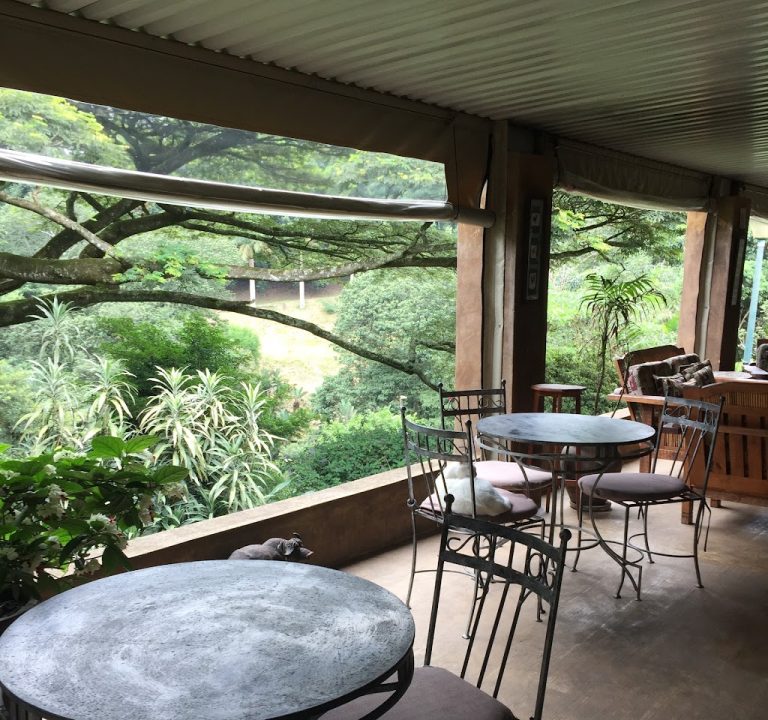
In Durban’s northern and central districts you’ll find a concentration of guesthouses and boutique hotels, often set in calm residential streets a short stroll from beaches, markets, and cafés. Meadow Park, for example, is a guest house in a tranquil setting that can serve as a comfortable base while you explore the coast and nearby attractions. In contrast, coastal enclaves such as a beachfront precinct offer proximity to the sea, morning strolls along the promenade and easy access to seafood restaurants and sunset views.
What to look for when booking depends on your priorities. If you crave beachfront access, search for properties with direct or easy access to the promenade and secure parking for convenience. For a more subdued stay, look for guesthouses or small hotels tucked away in tree-lined streets or within walking distance of local markets, craft stores and casual eateries. Amenities you might value include reliable Wi‑Fi, air conditioning, on-site parking, and in-house dining or ready access to a kitchen or kitchenette. Many guest houses in Durban place a strong emphasis on hospitality and personal service, often with breakfast included, friendly recommendations, and flexible check-in arrangements.
Transport planning is essential. Durban’s spread-out geography means a mix of walking, taxis or rideshares, and car hire can be the most practical approach depending on your itinerary. If you’re staying near central Durban or the Golden Mile, you’ll likely enjoy pedestrian-friendly streets, with easy access to venues, markets and casual eateries. For day trips to the Valley of a Thousand Hills, the Midlands or nearby towns along the coast, a rental car provides the most freedom. Some accommodations may offer airport transfers or a recommended transport partner, so it’s worth asking before you book.
Best time to visit Durban? The city enjoys a subtropical climate with warm, humid summers and mild winters. December to February is peak beach season, with lively waterfront activity and longer daylight hours, while May to August can be cooler and drier—pleasant for exploring the city’s gardens and markets without the high humidity. If you’re a surfer or beachgoer, plan for each season’s waves and crowds, but always stay mindful of local weather and sea conditions. For comfort, many travellers book air-conditioned rooms during the hot months and lighter, breezier rooms in the shoulder seasons.
Typical amenities in Durban’s accommodation range from guest houses and B&Bs to boutique hotels and small lodges. Look for rooms with en-suite facilities, fans or air conditioning, secure parking, and clean, comfortable communal spaces. A continental or cooked breakfast can be a welcome start to a day that might begin with a dip in the sea or a stroll through a nearby market. If you’re travelling with family or a group, check for family rooms, cots, or sofa beds, and inquire about accessibility options if needed. Some properties offer on-site dining or close ties to reputable local eateries, which can help when planning relaxed evenings after a day of sightseeing.
Durban’s attractions and activities span nature, culture, and cuisine. In the city you’ll find long sandy beaches, vibrant markets, and coastal promenades. Visit the museums and botanical gardens to sample the region’s heritage, or take a coastal walk to enjoy harbour views and salty air. For families and water lovers, the broader area offers safe swimming beaches, nearby reserves, and opportunities to learn about the region’s maritime and cultural history. Food-wise, Durban is renowned for diverse influences, with curries and seafood featuring prominently along the coast. A relaxed lunch or dinner might involve sampling a mix of regional dishes, from traditional Indian-influenced curries to contemporary takes on seafood and grilled fare, with many venues offering al fresco dining with sea breezes as a backdrop.
To make the most of your visit, map out a loose plan that balances downtime with a few hinge points—one cultural or natural highlight, a couple of beach days, and a couple of dining experiences. Check what’s open on your travel dates, as some attractions and markets operate on seasonal schedules. For inspiration and practical information, local tourism offices and official city sites can be valuable resources, often offering maps, suggested itineraries, and templates for planning a comfortable stay. Useful links to reputable Durban tourism pages can help you refine your plans and find current recommendations on events and neighbourhood guides.
Practical tips for a smooth stay in Durban:
- Pack light layers to accommodate humid days and cooler coastal evenings.
- Bring a universal adaptor if you’re visiting from outside Southern Africa.
- Check public transport options and whether your accommodation offers shuttle services or easy taxi access.
- Book stays with secure parking if you plan to rent a car for day trips.
- Reserve popular dining or activity slots in advance during peak season.
Durban is a city of flavour, sunshine and sea breezes. With careful planning—balanced by comfortable, well-located accommodation—you can enjoy a relaxed stay that blends beach time, cultural moments and memorable meals into a quintessential KwaZulu-Natal experience. For further ideas and planning, you can visit official tourism resources and browse a selection of recommended neighbourhoods to match your pace and preferences.