Accommodation and Experiences in Cape Town: Where to Stay and What to Do
Cape Town, set against a dramatic backdrop of mountains and coastline, offers a diverse range of accommodation to suit every traveller. From boutique guest houses in leafy neighbourhoods to stylish hotels along the Atlantic Seaboard, and cosy lodges in the Constantia wine region, there are options to match every itinerary and budget. When planning a stay, consider the area that best fits your interests, how you want to move around the city, and the style of hospitality you prefer. North-facing vistas of Table Mountain, easy access to beaches, and proximity to world-class restaurants can all shape your choice of where to stay.
Areas to consider include the City Bowl for convenience, walkability, and nightlife; the Atlantic Seaboard (including Camps Bay and Bantry Bay) for scenic coastal views and beaches; Green Point and V&A Waterfront for food markets, museums, and harbour life; and Constantia for a pucker of countryside calm, often with leafy guest houses and wine estates nearby. If you’re after a quieter retreat with beautiful garden settings, the Southern Suburbs and Constantia offer vine-covered hills and easy routes to the Kirstenbosch National Botanical Garden. For those keen on broader access, staying near MyCiTi bus routes or major commuter train lines can make day trips and sightseeing smoother.
When booking, look for a few practical features that genuinely influence comfort and convenience. A guest house or hotel that offers secure parking or easy access to public transport can save time and stress. A hearty breakfast or the option of a continental spread helps start busy days of exploration. Free Wi-Fi, sufficient power outlets, and climate control are particularly important given Cape Town’s varied microclimates. A swimming pool or shaded outdoor spaces are welcome, especially in hot summer months, and an on-site or close-by restaurant can be a real bonus for evenings when you’d rather not travel far after a day of sightseeing.
Typical amenities you might encounter include en-suite bathrooms, filtered water, tea and coffee facilities, and well-equipped self-catering options in some guest houses. Some properties offer curated experiences such as guided walks, wine-tasting visits in nearby Constantia, or help with arranging day trips to top sights. If you plan to self-drive, inquire about parking arrangements and overnight security. For travellers with mobility needs, check for step-free access, lift availability, and proximity to ramps or level entrances. Always confirm cancellation policies and any seasonal surcharges before booking.
Transport around Cape Town is usually straightforward but can vary by neighbourhood. The city centre is walkable in many parts, while scenic coastal areas are best accessed by car or rideshare. The MyCiTi bus system provides a reliable network across major routes, though schedules can be busier in peak tourist periods. Taxis and ride-hailing services are widely available, and some hotels can arrange transfers to and from popular attractions. If you’re planning day trips to the Cape Winelands, Cape Point, or Robben Island, check if your accommodation can assist with organised tours or provide information on reputable operators.
The best time to visit Cape Town depends on what you want from your stay. Summer (December to February) brings long days, warm seas, and vibrant outdoor life, but also higher visitor numbers. Spring (September to November) and autumn (March to May) offer pleasant weather, fewer crowds, and excellent conditions for hiking and food markets. Winter (June to August) has cooler, wetter spells but is an excellent season for escaping peak travel periods and enjoying a different pace. Regardless of when you go, it’s wise to pack layers for temperature shifts, and to budget for peak-season pricing if you’re visiting during school holidays or major events.
When planning the itinerary, consider combining a few longer stays with day trips to iconic spots. A few general ideas include starting with a few nights near the city centre to explore the historic architecture, markets, and museums, then moving to a coastal area for beach walks and sunset views. A couple of days can be set aside for Boulders Beach to see the penguins, a morning hike up Signal Hill or Table Mountain, and a visit to Kirstenbosch in the late afternoon. For food lovers, a culinary stroll through neighbourhoods with diverse dining options—from casual eateries to fine dining—adds a rewarding layer to the trip. Guidance from your accommodation on secure, reputable restaurant recommendations can enhance the experience without overwhelming your schedule.
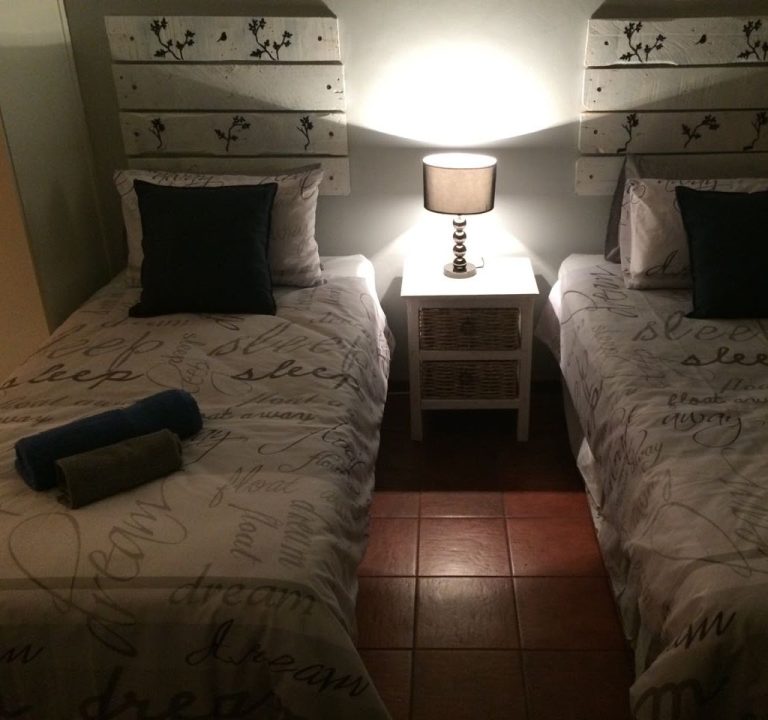
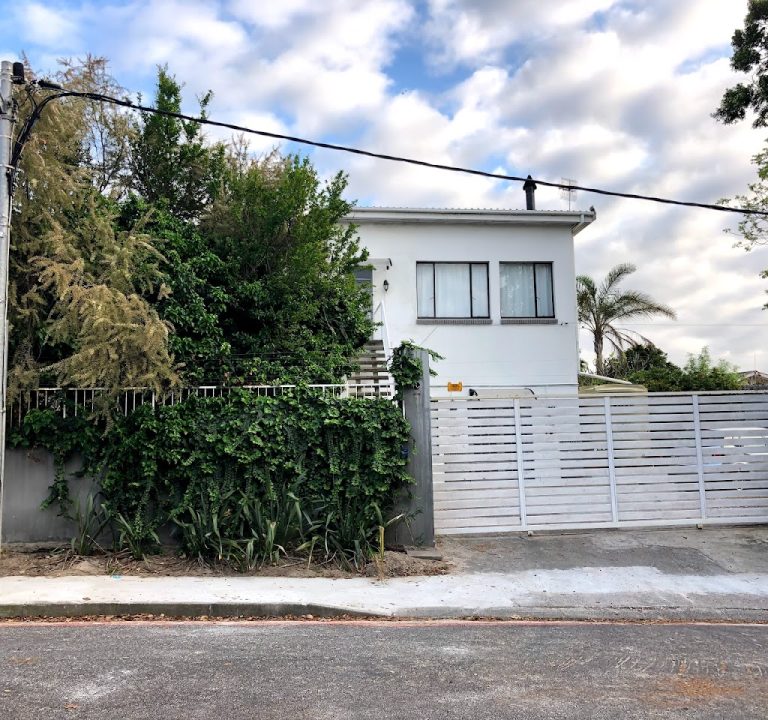
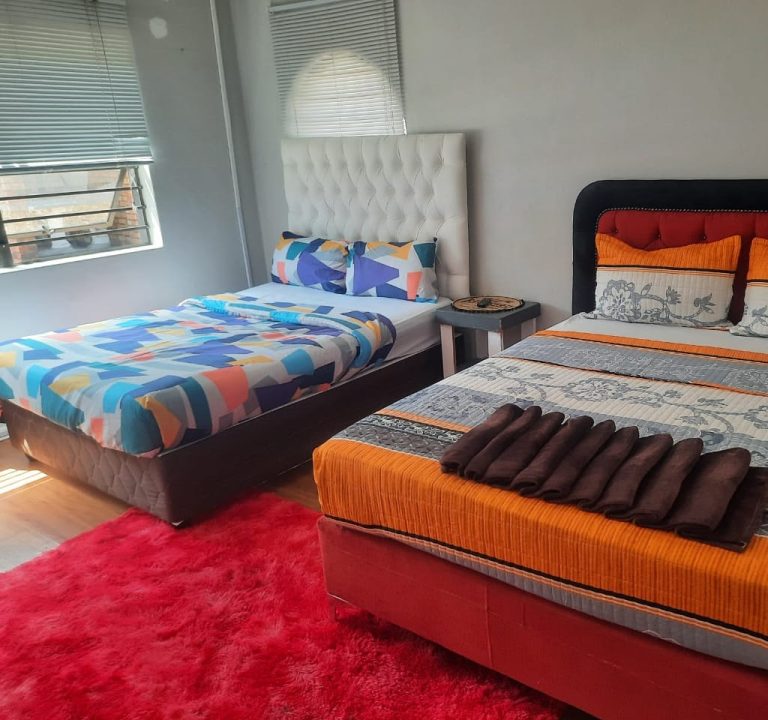
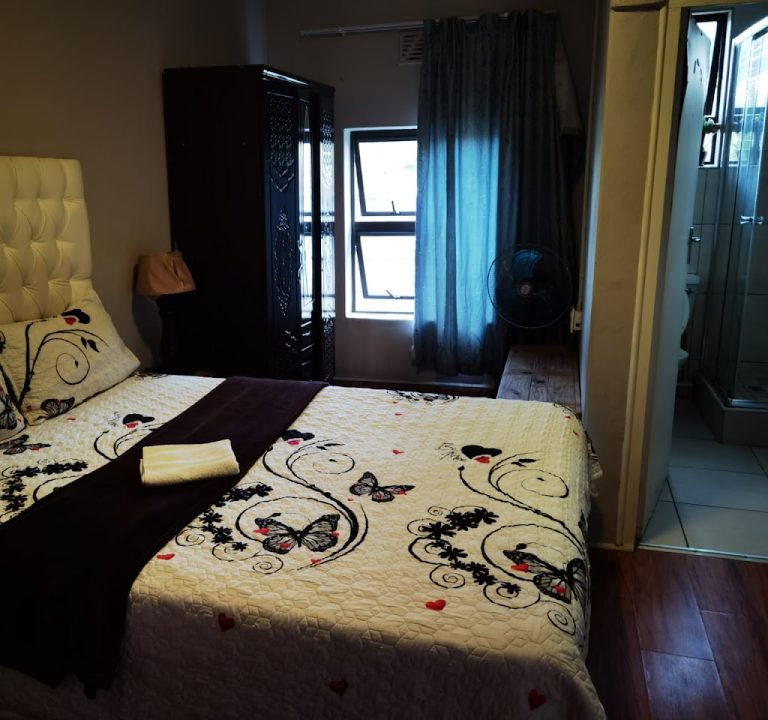
For those seeking a specific example of accommodation, PS Accommodation presents as a guest house option within Cape Town’s broader hospitality scene. It can offer a compact, characterful base from which to explore the city centre, the Atlantic Seaboard, and nearby wine country, subject to availability. When you browse options, review guest reviews for insights into cleanliness, host hospitality, and everyday practicality such as parking and noise levels, which often significantly affect the stay. You can also consult official tourism resources for up-to-date information on safety, seasonal events, and approved experiences. More information may be found at official Cape Town or Western Cape tourism sites, which typically outline neighbourhoods, access routes, and visitor tips to help you plan a well-rounded visit.
To help with your planning, consider a simple checklist when selecting a place to stay:
- Proximity to the attractions you most want to visit
- Transport options and whether you’ll rely on public transit or a rental car
- Essential amenities: breakfast, parking, Wi-Fi, heating/cooling
- Flexibility of cancellation and clear pricing
- Recent guest reviews focusing on comfort, cleanliness, and host responsiveness
Finally, keep a flexible mindset. Cape Town’s beauty often rewards spontaneous discoveries—unplanned coffee shops, a sunset walk along the promenade, or a hilltop vantage point that reveals the city’s sweeping coastline. With thoughtful accommodation planning, you’ll enjoy a balanced stay that makes the most of what this remarkable corner of the Western Cape has to offer. For further inspiration, visit national or city tourism websites to tailor an itinerary that matches your interests and pacing, and don’t forget to book accommodations well in advance during peak seasons.