Accommodation and travel planning in Cape Town, Western Cape
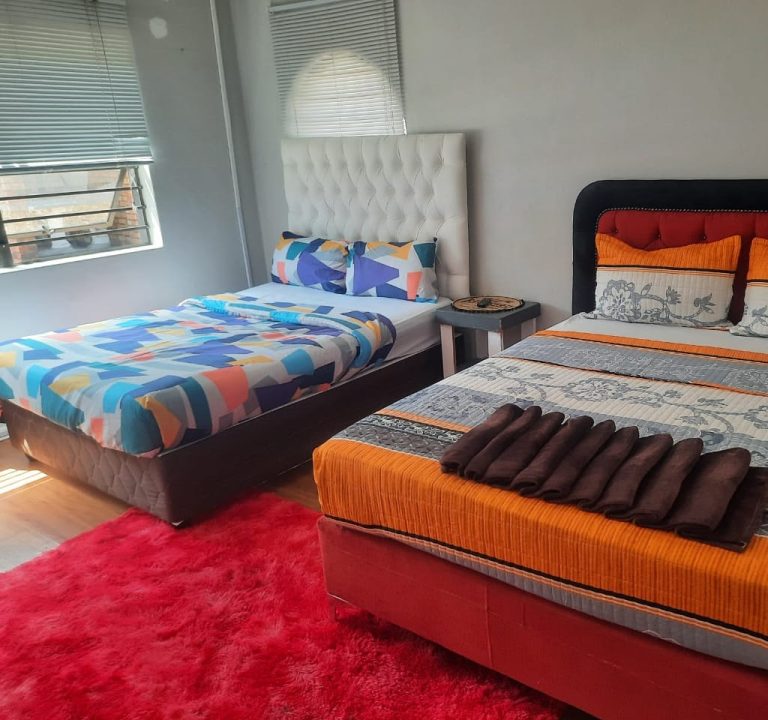
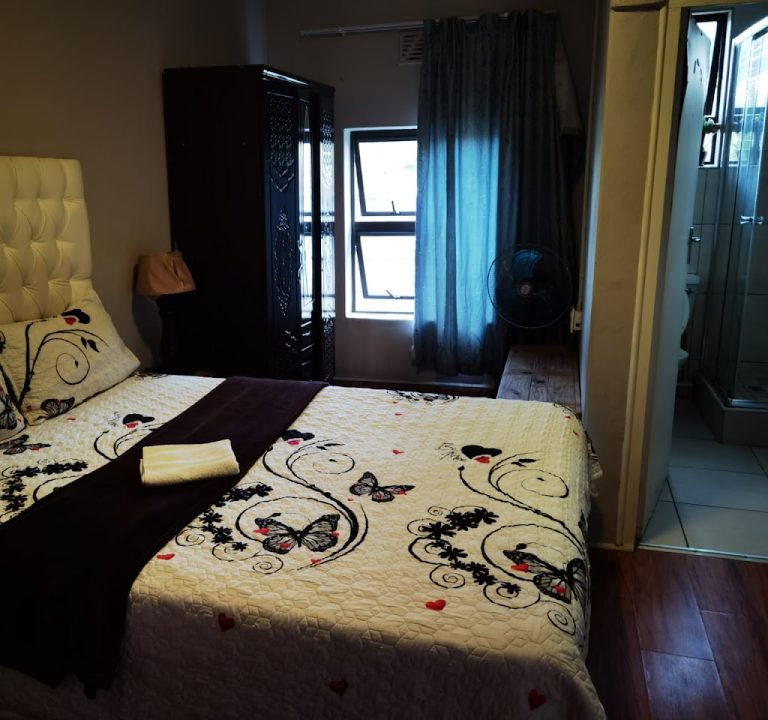
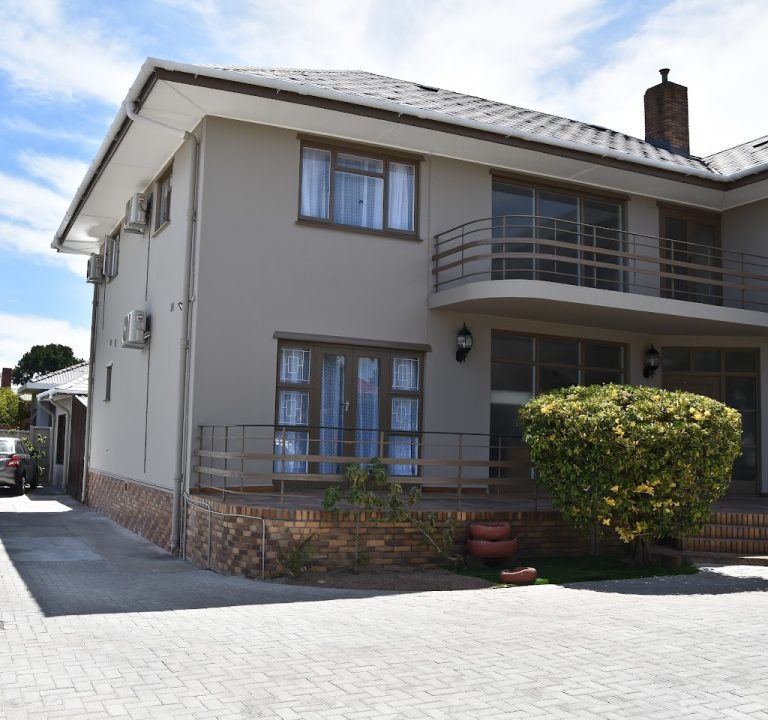
Cape Town offers a diverse mix of places to stay, from coastal boutique guest houses to contemporary city hotels and family-run lodges. When planning a visit, think about what you want from the environment, your movement around the city and how you wish to experience the surroundings. A guest house such as 2 friends guesthouse can provide a homely base with personalised touches, while more contemporary hotels may offer higher-end facilities and on-site dining. Either way, choosing the right neighbourhood is key to getting the most from your stay.
Areas to consider include the city centre and the historic City Bowl, which puts you within walking distance of museums, galleries and a vibrant dining scene. Green Point and Sea Point offer a lively seaside atmosphere with promenades, cafés and easy access to the Atlantic coast. Camps Bay sits on the dramatic Atlantic Seaboard, renowned for its long beach and sunset views, while the Constantia Valley is perfect for wine enthusiasts and quieter, leafy lanes. If you favour a more bohemian, up-and-coming vibe, neighbourhoods like Woodstock and the colourful precincts around the Foreshore can be excellent bases with easy access to markets, restaurants and public transport. For families and travellers seeking shade and leafy streets, Johannesburg-style hillsides in Constantia or nearby Constantia Nek provide a restful retreat away from the bustle.
When booking, consider the following practical points. Proximity to your planned activities and transport routes is important, but do not overlook the walking routes and safe access at night. Check the type of room and whether heating or cooling is included, as Cape Town can be cool in the evenings and seasonally hot in summer. If you are visiting in peak season, early booking is advisable, especially for well-regarded guest houses or boutique hotels. Some properties offer self-catering options or studios with kitchenettes, which can be convenient for families or longer stays. Look for on-site parking if you will hire a car, or accessibility information if you prefer public transport or ridesharing services. Reviews can reveal how quiet the location is, how friendly the staff are, and how well the space matches your expectations.
Typical amenities to expect (and to check when you book) include secure entry or a staffed reception, flexible check-in times, daily housekeeping, and complimentary Wi‑Fi. Many guest houses and small hotels in Cape Town provide continental breakfasts, with options for hot meals or pantry facilities. In-house dining may range from a light café breakfast to a full regional menu, emphasising local produce. Some properties offer outdoor spaces such as courtyards or terraces, which can be a welcome feature for evening drinks or morning planning sessions. If you rely on home comforts, verify whether air conditioning, extra pillows, blackout curtains or kettle facilities are available in your room.
Getting around Cape Town is straightforward, but plans can change with weather and traffic. The city has a compact centre with walkable districts, but to explore the wider Western Cape you’ll benefit from a hire car or a reliable rideshare service. The MyCiTi bus system offers convenient routes around the city’s major hubs, including the central business district, the V&A Waterfront and several popular beaches. If you’re travelling to reach the winelands, coastal towns, or nature reserves, a car or organised tour is usually preferable. For shorter trips, an Uber or local taxi services are widely used, but it’s wise to confirm availability and the expected fare in advance, especially late at night.
The best time to visit Cape Town depends on what you want from your trip. For beach weather and outdoor activities, late spring to early autumn (October to March) tends to offer longer days and milder sea breezes, though peak season prices can be higher. Winter (June to August) brings cooler, wetter weather but fewer crowds, which can be ideal for city sightseeing and dining out. In spring, the Cape’s famed floral displays peak, offering additional scenery if you enjoy outdoor exploration. If wine-tasting is high on your agenda, plan a day or two for Constantia or nearby Stellenbosch and Franschhoek, noting that peak harvest times may affect availability and prices.
Attractions and experiences in Cape Town are abundant and varied. You could pace your stay around a coastal promenade stroll, a visit to iconic viewpoints, or a museum or two that explores the city’s layered history. The surrounding region offers world-class hiking routes, national parks, and coastal scenery. Dining is an experience in itself, with a spectrum from casual bistros to sophisticated establishments serving seafood, game and modern South African fare, often with spectacular views or garden settings. For those looking to combine food with culture, consider markets, coffee roasters, and artisan shops that showcase local producers and crafts, alongside venues that highlight music and arts.
- Choose your base based on days you plan to spend in the city centre, along the Atlantic Seaboard, or in the wine region.
- Check room details for climate control, parking, and guest services such as daily housekeeping or reception hours.
- Plan transport to key sites and be mindful of peak traffic times and weather conditions.
- Book with flexibility where possible to accommodate changing plans or weather-related adjustments.
- Explore a mix of eating out and self-catering options to suit varying appetites and budgets.
For more information on Cape Town’s districts, transport options and visitor tips, you can visit official tourism sites or reputable travel guides. Always review recent guest feedback and confirmation details on accommodation pages before finalising your booking. With thoughtful planning, Cape Town can offer a well-rounded stay that blends scenic beauty, culinary discovery and easy access to extraordinary experiences.