Accommodation and Experiences in Cape Town: Planning a Memorable Stay
Cape Town, rooted between the dramatic mountains and the Atlantic, offers a broad spectrum of places to rest your head and a wealth of experiences to fill your days. When choosing where to stay, consider the area, the pace of your visit, and how easy it is to access the sights you most want to see. A good base can cut down on transfer time and maximise your time enjoying the city rather than chasing transport.
For many visitors, the City Bowl and Green Point offer a convenient balance of accessibility and atmosphere. The City Bowl provides a central hub with a mix of boutique guest houses, modern hotels, and guest houses that deliver easy walking access to restaurants, galleries, and the historic neighbourhoods of Bo-Kaap and the Company’s Garden. Green Point and the V&A Waterfront area tend to be popular with visitors who want a coastal vibe, with shorter walks to the harbour, fresh seafood stops, and easy access to coastal promenades. If you’re after ocean views and a more relaxed, resort-like feel, the Atlantic Seaboard districts such as Camps Bay or Clifton offer spectacular sunsets, stylish eateries, and properties with terraces that catch the breeze from the sea. For a budget-friendly, local flavour, the colourfully wrapped houses of Bo-Kaap and the vibrant streets around Woodstock and Observatory can be great bases with character and good transport links.
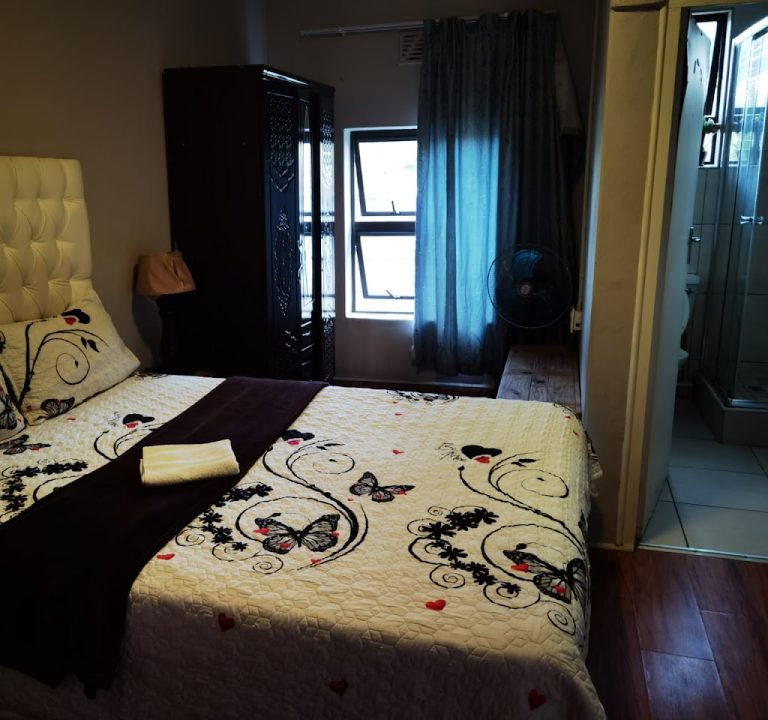
Blue Nile Guest House, a well-regarded guest house in a convenient neighbourhood, illustrates the kind of personal hospitality that can make a stay special. In Cape Town, guest houses and smaller boutique hotels often blend homely comfort with local charm, offering personalised recommendations, guided walks, and flexible breakfast options that larger hotels may not provide. When booking, look for a host who can tailor suggestions to your interests—whether you’re chasing mountain hikes, beaches, art, or foodie destinations.
Typical amenities to look for include en-suite bathrooms, reliable Wi‑Fi, secure parking or easy public transport access, and clear information about breakfast options, housekeeping schedules, and guest services. Some properties offer self-catering facilities, which can be a practical choice if you’re travelling with a group or planning longer stays. If you value wellness or outdoor activities, check whether your accommodation can arrange guided hikes, bicycle hire, or access to outdoor gear storage. A well-located guest house may also provide bags storage for day trips or late check-outs during shoulder seasons.
When planning transport, Cape Town’s geography means you’ll likely use a mix of walking, rideshare apps, and local transit. The MyCiTi bus network is a practical option for moving between major hubs and beaches, while reputable taxi services and ride-hailing apps are widely available across the city. If you plan to take the cableway up Table Mountain, pre-booking slots for peak seasons is wise. A car remains convenient for exploring beyond central areas, such as the Cape Peninsula’s scenic routes and more remote hiking trails, but many attractions are reachable with efficient public transport or organised tours.
Best time to visit Cape Town tends to be during the shoulder seasons of spring (September to November) and autumn (March to May). These periods offer milder weather, fewer crowds, and more manageable prices for accommodation. Winter brings cooler, wetter days that are ideal for indoor cultural experiences, while summer is perfect for beachfront days and outdoor adventures, albeit busier and sometimes pricier. If you enjoy sea swims or surfing, plan for summer, but be mindful of strong winds and occasional swells along the Atlantic coast.
Practical tips to make the most of your stay:
- book ahead during peak months and major events to secure the best rooms and rates
- check access to public transport from your accommodation and approximate travel times to planned activities
- inform hosts of any mobility needs or special dietary requirements in advance
- pack layers for changing temperatures, especially if you plan to explore Table Mountain at different times of day
- consider safety and personal belongings; use hotel safes and secure bags when you travel around busy areas
Beyond where to sleep, Cape Town offers a wealth of experiences that can anchor a visit. At a general level, visitors gravitate toward a mix of winelands day trips, coastal walks along the Atlantic Seaboard, and cultural tours that reveal the city’s history and landscapes. Dining in Cape Town ranges from seafood shacks with harbour views to refined restaurants that showcase modern South African cuisine, using fresh, local produce. For many travellers, the pleasure lies in combining a restful base with opportunities to sample a spectrum of local flavours—whether at markets, casual eateries, or higher-end venues that prioritise seasonal ingredients and vibrant presentation.
To plan your stay, start with a short list of must-sees and a realistic daily pace. A well-chosen accommodation in a connected neighbourhood can open up possibilities—from sunrise walks with views of the harbour to afternoon visits to museums, galleries, or bustling urban cafés. For more inspiration and practical planning resources, consider official tourism sites and reputable travel guides, which provide up-to-date listings of places to stay, as well as suggested itineraries and logistical tips. And for those with a particular interest, a guest house with a friendly, knowledgeable host can be an invaluable partner in crafting a personalised Cape Town experience.
In summary, Cape Town rewards visitors who blend attentive planning with a willingness to explore diverse precincts. Whether you prioritise proximity to beaches, access to iconic viewpoints, or immersion in local culture, there is an accommodation option to fit your style and budget. With thoughtful planning, your stay can balance restful nights with vivid days, leaving you with lasting memories of this vibrant South African city. For further information, you can visit general tourism resources or explore individual property websites to learn about availability, policies, and local recommendations.