Accommodation and experiences in Cape Town, Western Cape
Cape Town is a dynamic hub of scenery, culture, and culinary delight, where the choice of accommodation can shape your whole stay. From stylish guesthouses tucked into leafy neighbourhoods to modern hotels with sweeping views of the Atlantic, the city offers a spectrum of options to suit different budgets and travel rhythms. Planning a visit involves weighing location, amenities, access to transport, and the rhythm of daily explorations around the Peninsula.
When selecting where to stay, consider what you want to be close to. If you crave dramatic coastal scenery and beach days, look towards the Atlantic Seaboard neighbourhoods such as Camps Bay and Clifton, or the vibrant Green Point and Sea Point corridors near the harbour. For a more historic, cosmopolitan feel with easy CBD access, the City Bowl and suburbs like Observatory or Tamboerskloof can be ideal. If wine-country tranquillity appeals, Constantia or the southern slopes offer serene escapes not far from the city’s action. It is worth thinking about your preferred pace: a bustling urban base with easy restaurant access, or a quieter, more residential setting with a garden or pool.
What to look for when booking
- Room layout and comfort: en-suite bathrooms, reliable heating or air conditioning, and good natural light.
- Public spaces: a comfortable lounge, a courtyard, or a rooftop with views can enhance downtime between activities.
- Access and security: secure parking if you plan to hire a car, 24-hour reception or staffed front desk, and well-lit streets outside.
- Breakfast and dining options: some properties offer full breakfasts or on-site dining; in Cape Town, a good start to the day can make a difference for long sightseeing itineraries.
- Transport connectivity: proximity to MyCiTi bus routes, train stations, or ride-hailing pick‑ups, plus information on safe walking routes at night.
- Value-added touches: laundry facilities, business-friendly spaces, or guidance from staff on local experiences.
Typical amenities you might expect
- Private or shared bathrooms, daily housekeeping, and quality bedding.
- Free Wi‑Fi, coffee and tea facilities, and sometimes a small kitchenette or self-catering options.
- Outdoor spaces such as a pool, verandah, or garden seating for leisurely evenings.
- Concierge-style guidance: suggested self-guided walks, market days, and day trips to nearby attractions.
- Outline of practicalities: flexible check-in, luggage storage, and clear directions to popular sights.
Areas to consider in your itinerary
- City Centre and the V&A Waterfront: convenient for museums, markets, and harbour excursions.
- Green Point and Sea Point: a balance of eateries, beachfront paths, and easy transport links.
- Camps Bay and the Atlantic Seaboard: scenery-led stays with close proximity to beaches and upscale dining.
- Observatory and Woodstock: hip, artsy pockets with cafe culture and local galleries.
- Constantia and Tokai: quiet, leafy valleys near wine estates and natural reserves.
- Bree street and De Waterkant: a lively mix of restaurants, bars, and walkable streets.
Transport and getting around
Cape Town’s geography rewards a little planning. If you are based near the city centre, many sights are walkable or reachable on a short ride. The MyCiTi bus network offers affordable, straightforward routes around the city and to the beaches, while Uber and other ride-hailing services provide flexible options when you want to move quickly between neighbourhoods. If you hire a car, be mindful of peak-hour traffic and the need for secure parking, especially in central or popular waterfront areas. For day trips to the Cape Peninsula, a guided tour or a well-planned self-drive itinerary can help you see the coastal drives, penguin colonies, and viewpoints without missing highlights.
Best time to visit
Cape Town’s appeal is year-round, but the character of the city shifts with the seasons. Summers (December to February) are warm and often lively, ideal for beach days and outdoor markets, while autumn (March to May) brings pleasant temperatures and quieter streets. Winter (June to August) sees cooler, wetter weather but fewer crowds, with excellent value for hotels and quieter coastal viewpoints. Spring (September to November) offers a balance of blooming flora, good weather for hikes, and a thriving culinary scene. Consider what you want from your days—outdoor adventures, wine tours, or museum and harbour experiences—and plan around the expected climate.
Practical tips for travellers
- Book accommodation with a flexible cancellation policy, particularly if you are visiting during peak local events or school holidays.
- Check the proximity to transport hubs and plan your daily routes to maximise time on activities.
- Bring a light layer for evenings, as coastal breezes can be cooler after sunset.
- Read guest reviews with a focus on safety, soundproofing, and the responsiveness of staff.
- Respect local regulations and cultural contexts when exploring townships or historic sites.
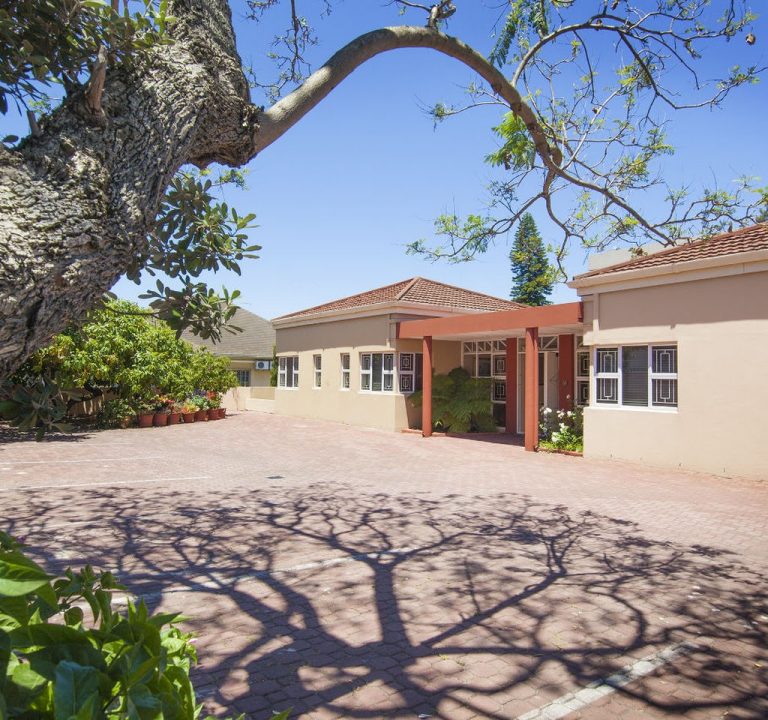
A practical example to consider is Broadway Bellville Guest House, a well-situated option in the broader Cape Town region. It offers a comfortable base with straightforward access to the city and surrounding areas. You can find more information at their website: http://www.broadwaygroup.co.za/
In summary, Cape Town rewards careful planning and flexible pacing. By choosing a neighbourhood that aligns with your interests, understanding transport options, and booking with clear expectations about amenities and security, you can craft a memorable stay that blends natural beauty with vibrant urban experiences. The city’s mix of culture, cuisine, and coast makes it possible to tailor every day to your preferences, whether you crave a full itinerary of attractions or slower, restorative rhythms.