Cape Town Accommodation and Planning a Stay: Where to Stay, What to Expect, and How to Make the Most of Your Visit
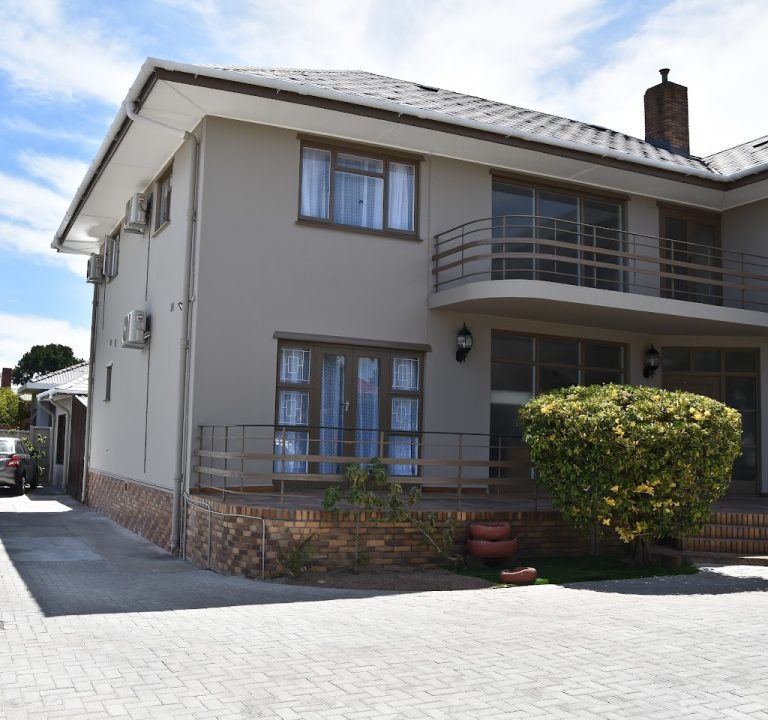
Cape Town rewards careful planning with a stay that matches its diverse landscapes. From stylish guesthouses in leafy suburbs to contemporary hotels along the Atlantic Seaboard, the city offers options that suit different budgets and travel styles. When selecting a base, consider your priorities—scenic views, access to beaches, proximity to the city centre, or easy day trips to the Cape winelands and coastal routes. Booking early, especially for peak seasons, will help you secure rooms in desired areas and preferred bed configurations.
Areas to consider for your stay include:
- City Bowl and the central business district for easy access to museums, markets, and nightlife.
- Atlantic Seaboard (Camps Bay, Clifton, Bantry Bay) for beaches and sunset scenery, with several upmarket guesthouses and boutique hotels.
- V&A Waterfront area for a maritime atmosphere, family-friendly accommodation, and convenient transport links.
- Green Point and De Waterkant for a lively mix of eateries, bars, and walkable routes to the stadium and parks.
- Constantia and the Southern Suburbs for larger properties, wine estates nearby, and a quieter stay.
- Northern Suburbs and Bellville for more budget-conscious options and convenient connections to the Cape Winelands and northern routes.
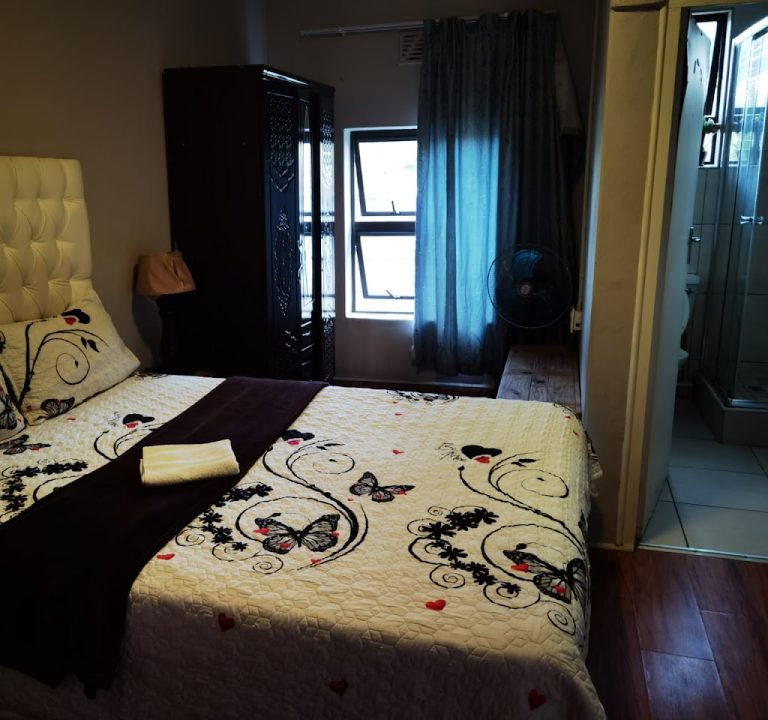
When booking, look for practical amenities that will ease your stay. Essential items include reliable air conditioning or heating, good bedding, and adequate storage. If you rely on the outdoors, a breakfast or on-site café can save time in busy mornings. A guesthouse or boutique hotel may offer inclusive perks like secure parking, Wi‑Fi, and friendly local tips. Check whether the property has flexible cancellation policies, clear housekeeping schedules, and clean, well-maintained communal areas. If you prefer privacy, a self-catering apartment or a room with a private entrance can be ideal.
Transport and getting about are central to planning. Cape Town’s radial geography means many attractions are spread across the peninsula. Staying near MyCiTi bus routes or major taxi hubs can reduce travel time. If you plan day trips to the Cape Peninsula, Cape Point, or the Constantia wine route, verify whether your accommodation can assist with organised tours or provide guidance on self-drive options. For shorter hops, Uber and other ride-hailing services are common, and some areas offer cycle-friendly routes that let you explore neighbourhoods on two wheels.
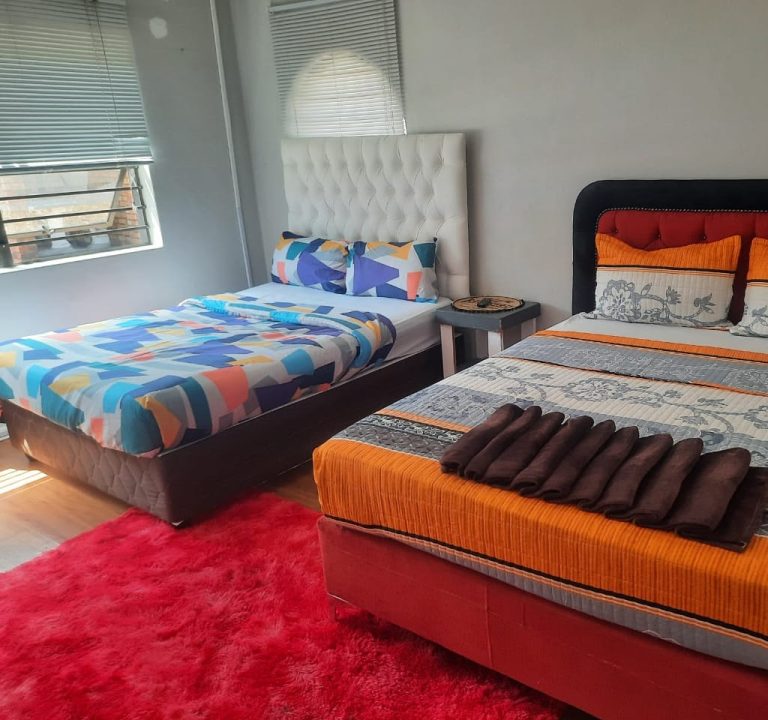
Typical amenities you might find in well-situated accommodation include en-suite bathrooms, kettles for tea and coffee, writing desks or workspaces, and secure access to the property. Some guesthouses offer shared lounges, communal kitchens, or terraces with panoramic views. If you are visiting during the cooler winter months (May to August), a heated room and a cosy lounge become particularly appealing. Families may prefer rooms with extra beds or adjoining units. For travellers aiming to reduce environmental impact, look for properties with energy-saving features, recycling practices, and water-conscious amenities.
Best time to visit Cape Town blends weather, crowds, and seasonal events. The summer months (roughly October to March) bring longer days, warmer sea temperatures, and vibrant street life, making it ideal for beach days and outdoor activities. Shoulder seasons—spring (September to November) and autumn (April to early June)—often offer comfortable weather with fewer crowds and lower prices. Winter (June to August) is milder in the city centre but wetter on the western parts of the peninsula, which can be perfect for cosy days indoors or exploring museums and markets. Always check local forecasts and allow for occasional coastal winds that can shape outdoor plans.
Attractions and experiences in general terms are plentiful. Iconic natural highlights include the city’s famous viewpoints, coastal walks, and access to Table Mountain via cable car or scenic trails. In and around the city, museums, markets, and cultural precincts offer insights into Cape Malay heritage, contemporary art, and design. The Cape’s coastline supports wildlife experiences, seals, penguin colonies at certain reserves, and scenic drives along the Atlantic seaboard. For a fuller sense of the area, plan a day to explore the Cape Peninsula, including coastal towns, iconic viewpoints, and nature reserves, balanced with wine-tasting stops in nearby regions. Family and group travellers may also find harbour walks, outdoor markets, and child-friendly spaces appealing, alongside quieter spa or wellness options in select properties.
Dining in Cape Town ranges from casual bistros and busy eateries to refined establishments. Common themes include fresh seafood, farm-to-table ingredients, and multicultural influences that reflect the city’s diverse neighbourhoods. Budget-minded guests can enjoy casual meals in laid-back venues and markets, while those seeking a special occasion might opt for stylish restaurants with panoramic views. When planning meals, consider nearby farmers’ markets, coastal cafés, and wine-country eateries that showcase the region’s produce and vintages. For reservations and up-to-date recommendations, travel guides and official tourism websites are useful resources.
Practical tips for a smoother stay: book in advance for popular periods; read cancellation and refund policies carefully; and confirm access arrangements if you arrive late. Pack a light layer for cooler evenings and a hat for sunny days, and bring comfortable walking shoes for city rambles and hillside strolls. If you are visiting with a vehicle, confirm parking arrangements and any access restrictions for certain areas. For trusted planning, consult official tourism portals and property websites for practical guidance, maps, and itinerary ideas. A well-chosen base in Cape Town can anchor a memorable exploration of both city life and the surrounding natural beauty.
Website resources for planning include official tourism sites and property pages. For example, you can explore general information at city or regional tourism portals, which provide neighbourhood guides, activity ideas, and seasonal suggestions. If you prefer a local stay with a specific flavour, you may encounter guesthouses and boutique inns in well‑located suburbs that offer personalised hospitality and close proximity to transport links. For more ideas and accommodation options, visit: Cape Town Tourism.