Accommodation and Experiences in Cape Town, Western Cape
Cape Town offers a diverse tapestry of places to stay, from stylish self-catering pads to intimate guesthouses and modern apartments with iconic views. Whether you favour a cosmopolitan neighbourhood or a quieter hillside retreat, planning ahead helps you make the most of your visit to the Western Cape’s most visited city.
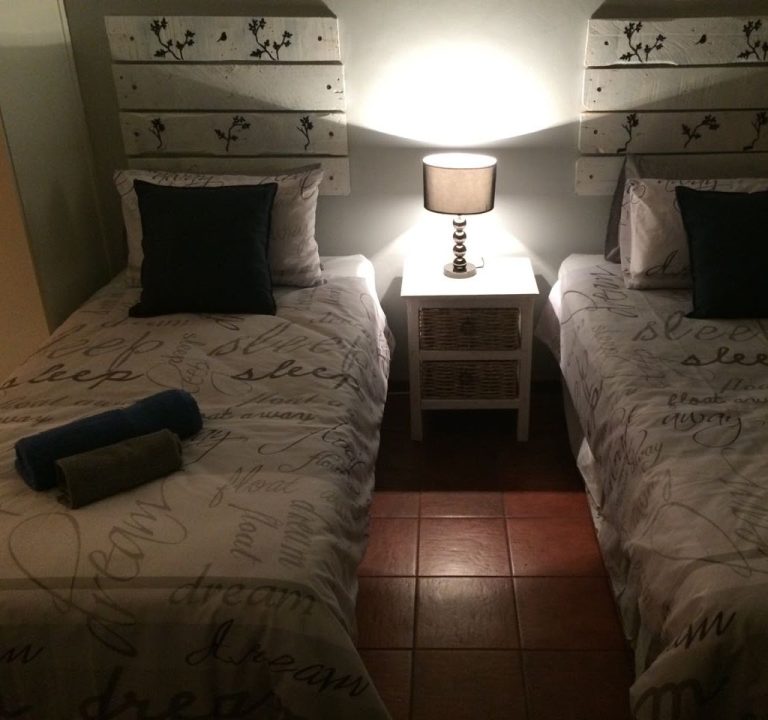
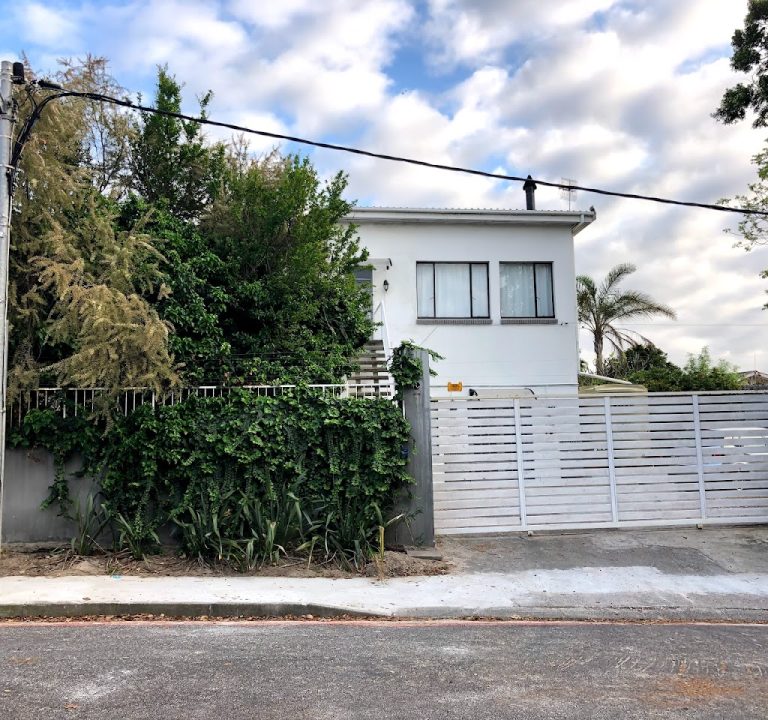
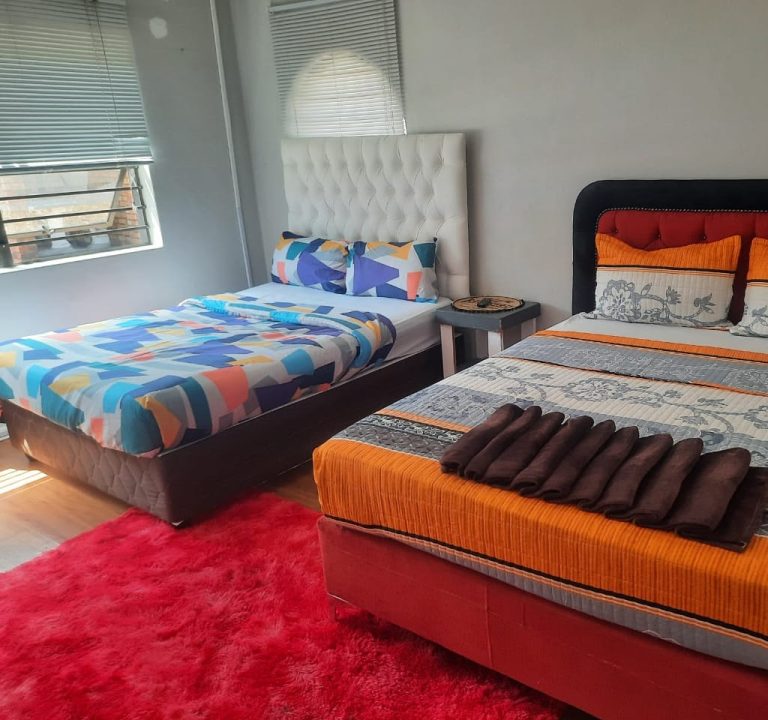
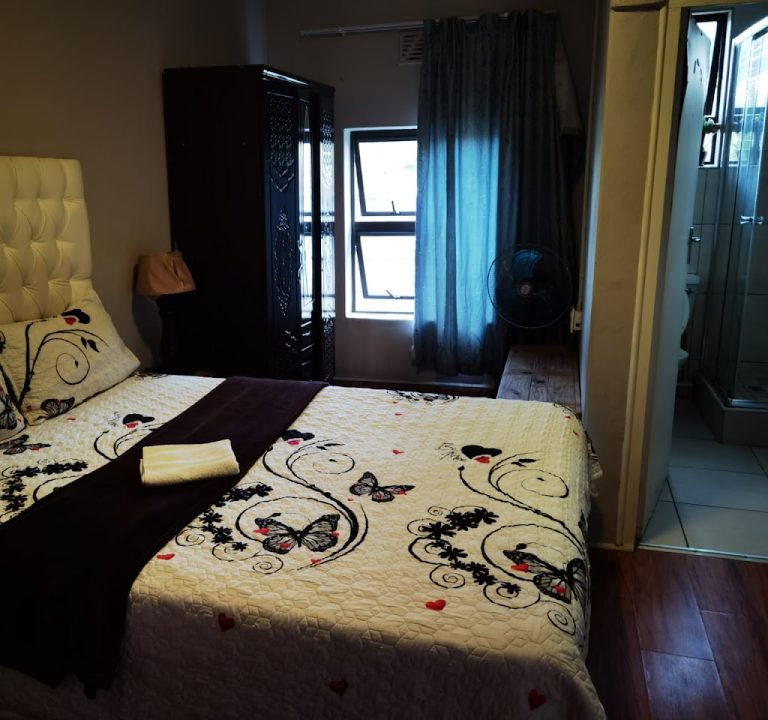
For self-catering stays, Markotter Place exemplifies the growing range of homes designed for independent travellers. Look for well-equipped kitchens, comfortable living spaces, reliable wifi, and easy access to transport links. A self-catering option is especially convenient if you plan to explore the city’s markets, beaches, and wine routes at your own pace, without being tied to restaurant timings.
Areas to consider
- City Centre and the Victoria & Alfred Waterfront: convenient for access to museums, markets, and a broad choice of eateries. It’s ideal if you want to be within walking distance of many attractions and transport connections.
- Bo-Kaap and Signal Hill vicinity: rich in colour and culture, with charming guesthouses and small boutique stays that keep you close to historic streets and city panoramas.
- The Atlantic Seaboard (Green Point, Wood Wharf, Sea Point, and Camps Bay): famous for ocean views, long promenades, and easy beach access. This is a good base for morning coastal walks and relaxed evenings by the sea.
- Constantia and the southern suburbs: perfect for a slower pace, Green Point’s museums by day and wine country estates by afternoon often balance a quiet stay with easy city reach.
- Woodstock and Observatory: hip, creative neighbourhoods with characterful lodgings and excellent dining options within walking distance.
What to look for when booking
- Space and layout: ensure the property suits your group size, with separate bedrooms if needed and a practical living area for downtime after day trips.
- Kitchen facilities: for longer stays, a well-equipped kitchen saves time and money.
- Parking and access: confirm whether parking is included, and whether building access is straightforward if you arrive late.
- Transport links: proximity to MyCiTi bus stops, train stations, or major routes helps you travel efficiently to Table Mountain, the Cape Winelands, and the Cape Peninsula.
- Amenities: air conditioning or heating for seasonal comfort, reliable hot water, a washer-dryer, and secure access.
- Safety and privacy: check reviews for security features and the general sense of safety in the area.
- Flexibility: policies around cancellation and changes can be crucial if plans are fluid.
Typical amenities and practical tips
- Self-catering conveniences: expect a well-equipped kitchen, fresh linen, towels, and a welcome basket or basics such as tea, coffee, and soap.
- Living spaces: comfortable seating, a dining area, and outdoor spaces are increasingly common, especially in properties with views.
- Wi‑Fi and entertainment: reliable internet is important for planning day trips and staying connected; some places offer smart TVs and streaming services.
- Transport planning: if you are driving, verify parking arrangements and access routes. If not, consider properties near MyCiTi routes or major tram/coach hubs for coastal and Winelands trips.
- Best time to visit: late spring (Oct–Nov) and autumn (Mar–May) bring mild weather, fewer crowds, and easier access to outdoor activities. Summer (Nov–Feb) is peak beach season and great for longer days outdoors, while winter (Jun–Aug) offers cooler but often calmer travel experiences and potentially lower rates.
- Practical tips: pack layered clothing for a city that balances sea breezes with mountain sun. Bring sun protection for sea and mountain outings, and be mindful of safety in busy markets and tourist spots. When dining out, tip in line with local customs and check whether service charge is included in the bill.
Local attractions and experiences (general terms)
Cape Town’s natural splendour is best enjoyed with a mix of landmark views and coastal recreation. From an ascent of a famous flat-topped mountain to scenic drives along rugged coastlines, day trips commonly include coastal towns, penguin viewing, and wine-tuelled tastings in nearby estates. Cultural highlights can be found in historic districts with colourful streets, markets offering crafts and snacks, and coastal promenades ideal for sunset strolls. For a balanced itinerary, couple outdoor adventures with leisurely meals at restaurants that celebrate regional flavours, seasonal produce, and oceanside dining ambience.
Planning your stay
- Start by choosing 2–3 neighbourhoods based on the kind of experience you want—urban exploration, beach living, or a tranquil hillside retreat.
- Decide whether a self-catering stay, a boutique guesthouse, or a full-service hotel best matches your travel style and budget.
- Budget time for iconic activities such as a cable-car ride up the surrounding mountains, harbour views, and a stroll along the harbour front. Combine these with a few longer day trips to winelands or nature reserves.
- Book in advance for peak seasons, particularly if your dates coincide with school holidays or major events. Flexible properties with clear cancellation policies can help if plans change.
In short, Cape Town’s accommodation options span stylish city stays to serene self-catering escapes, all within reach of a broad spectrum of attractions and dining experiences. By focusing on area suitability, practical amenities, and reliable transport options, you can craft a stay that feels effortless, while allowing you to uncover the region’s natural beauty, cultural richness, and culinary appeal at a comfortable pace.