Cape Town Accommodation and Planning a Memorable Stay
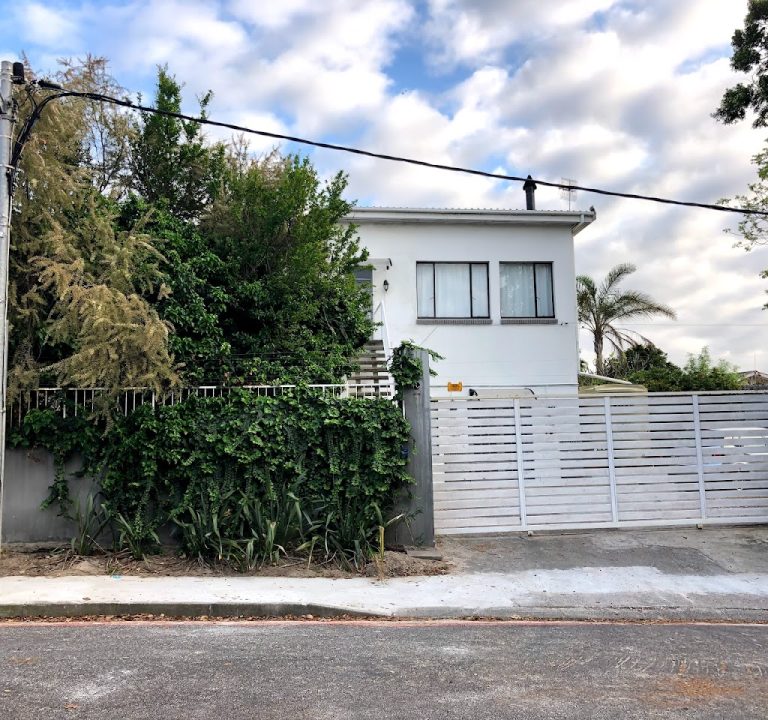
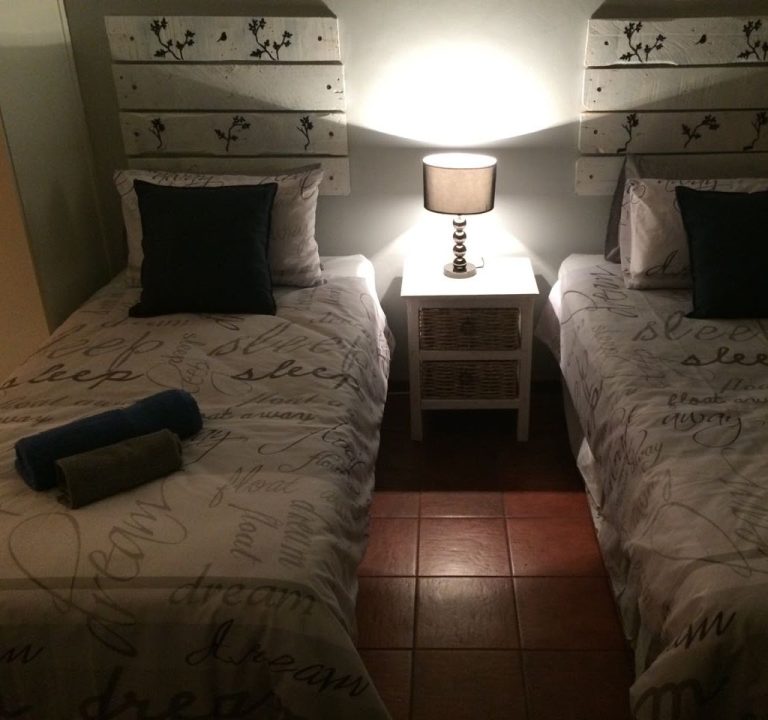
Cape Town blends natural splendour with a vibrant urban heartbeat, making it a top destination for travellers seeking a mix of mountains, beaches and cultural experiences. When planning a stay, consider which neighbourhoods align with your interests, the type of accommodation you prefer, and how you’ll move around the city. Options range from boutique guesthouses and family-run lodges to modern hotels and self-catering apartments, each with its own character and set of conveniences. A notable example in the city’s hospitality scene is Adel Haus Guesthouse, a guesthouse-style option that typifies the warm, personal touch many visitors value.
Neighbourhoods to consider include the following. The City Bowl area and the V&A Waterfront offer easy access to museums, eateries and nightlife, and they form a practical base for first-time visitors. Green Point and Sea Point provide a scenic coastal ambience with promenade walks, while Camps Bay and Clifton are popular for beach lovers and travellers seeking a more resort-like atmosphere. For wine enthusiasts and quiet hillside stays, Constantia Valley offers leafy estates and easy access to tasting rooms. If you’re seeking authentic university-town energy, the Observatory and neighbouring areas provide a bohemian vibe with affordable guesthouses and cosy bistros. Each area carries its own pace, views and transport options, so think about what you want from mornings, afternoons and evenings when you choose where to stay.
When booking accommodation, look for a few key features to make your trip smooth. Proximity to reliable public transport or convenient parking if you’re hiring a car can save time and stress. Check whether the property offers free Wi-Fi, a well-equipped kitchen if you plan to self-cater, and clear information about check-in and check-out procedures. A responsive host or front desk is valuable in case you need local tips or assistance with reservations for tours and restaurants. Transparent policies on cancellations, housekeeping, and guest safety also help you plan with confidence. For families or groups, confirm bed configurations and whether the property can accommodate extra guests or baby equipment. If you prefer a homely ambience, boutique guesthouses and lodges often provide personal touches, local breakfast options, and a more intimate setting than larger hotels.
Typical amenities you may encounter include en-suite bathrooms, air conditioning or heating for variable Cape Town weather, and access to outdoor spaces such as balconies or gardens. Many properties provide secure parking, on-site laundry facilities, and in some cases, a small gym or private courtyard. For travellers seeking a self-contained stay, self-catering units with a kitchenette or full kitchen are common in apartment-style accommodation, while in-room comforts such as tea and coffee making facilities, fresh towels, and quality toiletries are standard across the spectrum.
Transport within Cape Town is well supported by a mix of options. The MyCiTi Bus network offers convenient routes across the city, including to the V&A Waterfront and the central business district. Taxis and ride-hailing services are widely available, and car hire is a practical choice for exploring the Cape Peninsula and surrounding regions at your own pace. If you’re planning day trips—such as the Cape Point route, wine farmlands, or the Cape Peninsula coastal drive—having a car or booking a guided tour can optimise time and flexibility. It’s prudent to map out potential parking arrangements at your accommodation, especially during peak seasons when streets can be busier than usual.
The best time to visit Cape Town depends on your preferences. Spring (September to November) brings mild weather and blooming flora, ideal for outdoor hiking and city strolls. Summer (December to February) offers longer days and beach-friendly conditions, though it can be busier. Autumn (March to May) provides pleasant temperatures with lighter crowds, while winter (June to August) brings cooler, wetter days but lower room rates and a calmer atmosphere. If you’re keen to catch the Cape winelands at their best, plan a visit from late summer to early autumn when harvest season is wrapping up and winery experiences continue to shine. Weather can be changeable in the coastal regions, so packing a light waterproof layer and sun protection is sensible year-round.
Practical planning tips to help you make the most of your stay:
- Book accommodation with flexible cancellation policies where possible, especially during peak travel periods.
- Ask hosts or concierges for current transport recommendations and safety tips for your planned neighbourhoods.
- Reserve popular activities and dining experiences in advance to avoid disappointment, particularly in high season.
- Balance days with a mix of outdoor activities (Table Mountain, coastal walks, and Kirstenbosch) and cultural explorations (museums, markets, and historic sites).
- Keep a small amount of local currency for markets and street vendors, while using card payments where accepted.
For a broader sense of what Cape Town offers, plan a route that blends natural wonders with city life. Explore the majesty of the mountains, the iconic coastline, and the rich culinary scene that spans casual bistros to refined eateries. Whether you stay in a cosy guesthouse such as Adel Haus Guesthouse or in a modern hotel with ocean views, Cape Town invites you to design a stay that reflects your interests and pace. For further inspiration and practical travel ideas, you can visit regional tourism sites and reputable travel guides to help tailor your itinerary to your dates and budget.