Cape Town: where to stay, what to do and how to plan a memorable visit
Cape Town offers a rich mix of serviced accommodation, boutique stays and larger hotels set against a backdrop of iconic landscapes. When planning a stay, travellers often weigh location, accessibility and the rhythm of neighbourhoods as much as the style of the lodging itself. From cosmopolitan City Bowl to sun-kissed Atlantic Seaboard, and the leafy tranquillity of Constantia, there are options to suit couples, families and groups seeking convenience, comfort and a touch of South African character.
For those seeking a home-from-home feel, serviced accommodation can be a particularly convenient choice. Such options often provide the comforts of a fully equipped kitchen, laundry facilities and a living area, making longer visits or family trips smoother. In Cape Town, serviced apartments and residences vary from compact city pads with easy access to restaurants and markets to larger, well-appointed units with secure parking and gym facilities. A well-chosen base can cut down travel time and allow you to unpack each day with ease, especially when exploring a demanding itinerary of viewpoints, beaches and markets.
Areas to consider when choosing where to stay:
- City Bowl and the central business district – walkable dining, museums and historic sights; good for first-time visitors who want to be close to start points for tours up Table Mountain and to the V&A Waterfront.
- Atlantic Seaboard (Camps Bay, Clifton, Sea Point, Green Point) – sandy beaches, stylish eateries and dramatic coastal scenery; a modern, resort-like vibe with popular sunset spots.
- -hop-on feel of Woodstock and Observatory – creative hubs, markets, coffee culture and a more laid-back atmosphere with easy access to the inner city.
- Constantia and Newlands – leafy suburbs ideal for families and travellers seeking tranquillity, wine estates nearby and self-catering options with garden access.
- L ÄNDING rural-adjacent retreats – if you’re seeking a slower pace and spectacular mountain views, countryside stays offer a different kind of Cape Town experience.
When booking, look for several practical features that can enhance your stay. A reliable Wi-Fi connection is essential for work or streaming, while secure parking can ease worries about city traffic and street parking. A well-equipped kitchen, a good-sized living space, and laundry facilities help if you’re staying for several nights. For some travellers, access to a pool or fitness area adds value, especially after a day of exploring the hills, beaches and markets. Noise levels, natural light and privacy are also worth assessing, particularly if you’ll be spending evenings in after a day’s sunshine and sightseeing.
Transport and getting around Cape Town is made simpler by several options. The MyCiTi bus network covers many parts of the city and offers a straightforward way to reach popular hubs, such as the waterfront and Table Mountain base. Taxis or ride-hailing services are convenient for late-night returns or door-to-door trips. If you plan day trips to places like the Cape Winelands or the Cape Point reserve, a car rental can provide flexibility, though some visitors prefer guided tours for the ease of navigation and local insight. Wherever you stay, check whether your base is within short walks of safe routes to the nearest public transport stop or shuttle services offered by the accommodation itself.
Best time to visit Cape Town depends on your priorities. The summer months (roughly November to February) bring long days, beach time and outdoor festivals, perfect for sun seekers. Winter (June to August) can be cooler and windier, but it’s a great period for museum visits, fewer crowds at major sights and lush green landscapes after seasonal rains. Shoulder seasons—spring and autumn—often offer pleasant weather, manageable crowds and kinder coastal conditions for hiking and outdoor exploration. Wherever you travel, pack both layers for changeable coastal weather and comfortable walking shoes for hilly streets and scenic routes.
Top activities and experiences, in general terms, include taking a cable-car or scenic hike on Table Mountain, enjoying the V&A Waterfront’s mix of shops and eateries, and day trips to Cape Point, the Cape of Good Hope, and the Cape Winelands. For a sense of culture, consider a wander through historic districts and vibrant markets, where you can taste fynbos-inspired flavours and browse crafts. Outdoor lovers will relish Chapman's Peak Drive, coastal walks, and penguin viewing at Boulders Beach (note: specific access and viewing guidelines can vary). Dining in Cape Town ranges from casual bistros to elegant restaurants offering modern South African cuisine; most districts have relaxed spots for breakfast and coffee as well as fine dining options that highlight seasonal produce and coastal influences.
Practical planning tips for a smooth stay:
- Book early in peak seasons and consider a base with flexible dates or a cancellable rate.
- Communicate your needs in advance—family-friendly spaces, accessibility features, or a quiet room for work are common requests.
- Check transport options, including proximity to a taxi stand or major bus routes, and whether the accommodation offers shuttle services.
- Look for reviews that mention cleanliness, well-equipped kitchens, and responsiveness of the host or property manager.
- Balance your itinerary with a mix of must-see sights and time to enjoy a neighbourhood, market, or cafe at a leisurely pace.
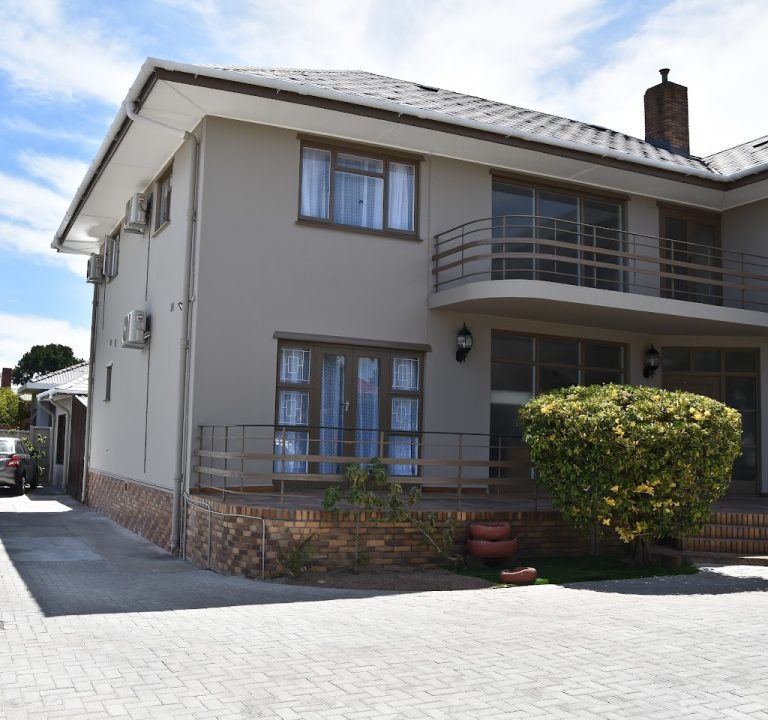
As you plan, consider Glenette Residence as a serviced accommodation option in Cape Town. Such stays can provide the conveniences of a well-equipped apartment with the comfort of a hosted environment, often offering space and flexibility for longer visits. While each property differs, the key is to select a base that aligns with your travel style, whether it’s a chic city pad, a serene suburban retreat, or a sun-drenched coastal flat. With the right choice, your Cape Town stay can be both easy to navigate and richly rewarding, leaving you free to enjoy the city’s extraordinary landscapes, diverse dining and welcoming local culture.