Accommodation and a traveller’s guide to Cape Town, Western Cape
Cape Town sits on the southwestern tip of Africa, offering a vibrant mix of natural beauty, historic neighbourhoods, and world‑class hospitality. Whether you want a stylish city stay, a seaside retreat, or a cosy guesthouse in a quiet neighbourhood, there are plenty of options to suit different itineraries and budgets. Planning a stay around the right area, sensible transport, and a balanced mix of activities will help you make the most of your time in this diverse destination.
When choosing where to stay, consider the character of each area. The City Bowl and the central coastline are ideal for first‑time visitors who want easy access to attractions, restaurants, and nightlife. Constantia offers leafy calm, wine estates, and scenic drives, perfect for a relaxed break. The Atlantic Seaboard—think coastal suburbs with dramatic ocean views—provides a chic, walkable scene and a quick hop to beaches. If a more family‑friendly or residential vibe appeals, look to the southern suburbs or nearby suburbs with easy access to hiking trails and parks. For a truly immersive experience, consider a boutique lodge or guesthouse in a historic district, offering personalised touches and insider tips from hosts.
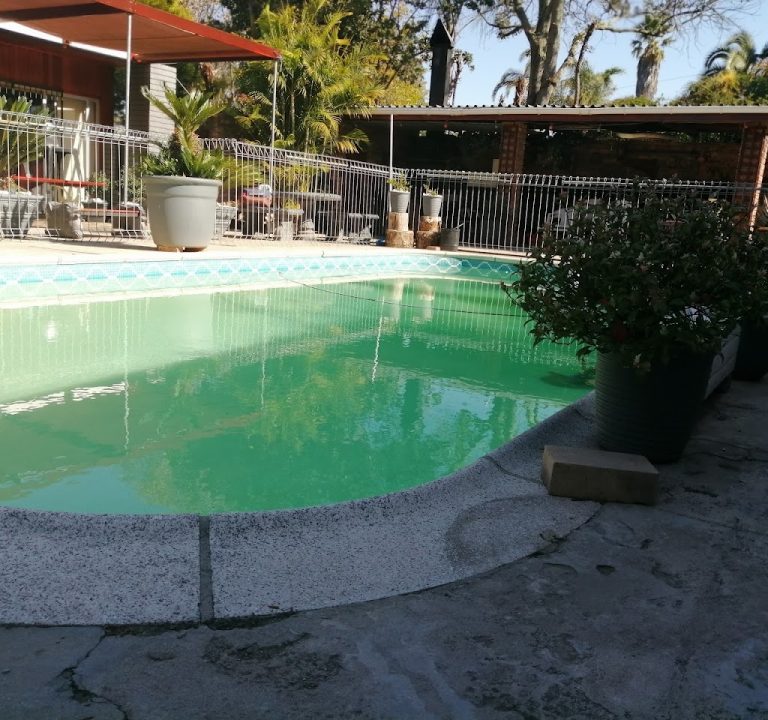
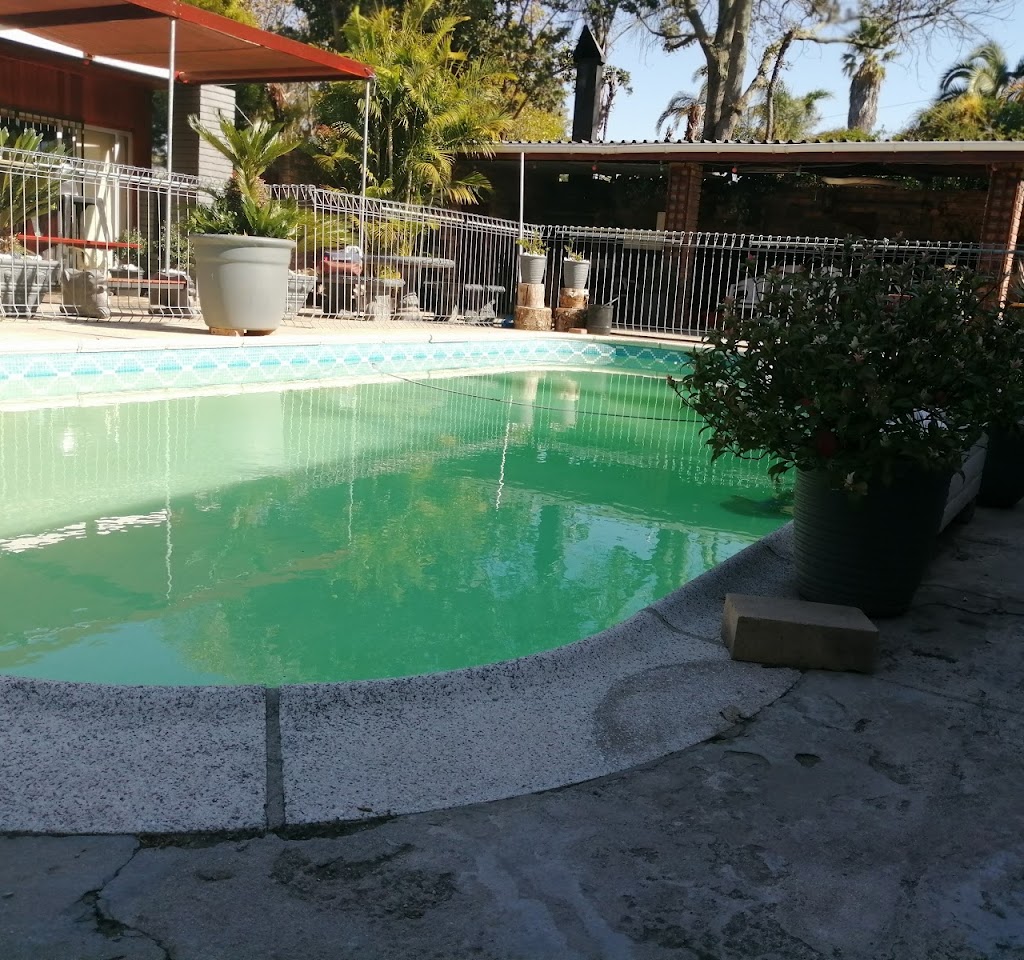
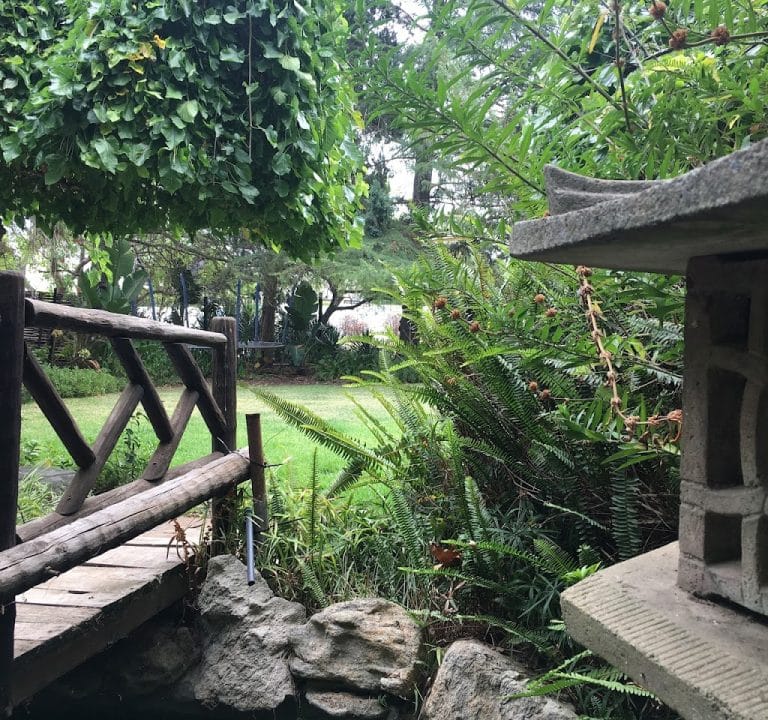
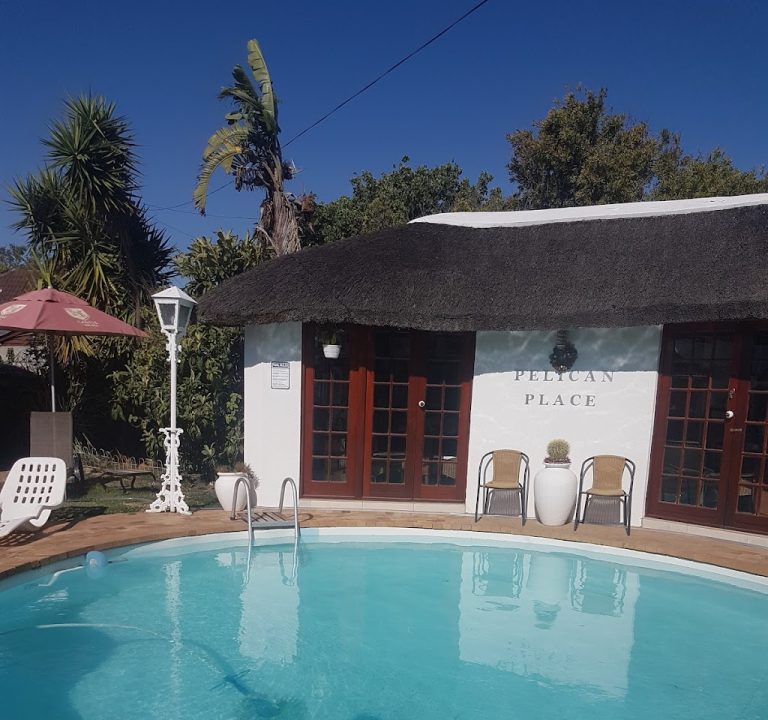
Typical accommodation types include boutique hotels, guesthouses, lodges, and self‑catering apartments. Look for features that boost comfort during your stay, such as reliable Wi‑Fi, secure parking, friendly reception hours, and on‑site dining options. Some properties may offer additional conveniences like airport transfers, guided city walks, or personalised itineraries. In more secluded spots, you may find terraces, pools, or garden lounges that provide a tranquil retreat after a day of exploration. If you’re staying near popular sights, ask about early check‑in or late check‑out arrangements and whether the property can help with arranging tours or restaurant reservations.
Accessibility and transport are important planning factors in Cape Town. The city is well served by a network of roads, reputable car hire firms, and ride‑hailing options. If you prefer not to drive, many areas are walkable or served by local buses and specialised tours. Some guesthouses and lodges also offer transfer services or can coordinate day trips to the Cape Peninsula, Kirstenbosch Gardens, or the Cape Winelands. When booking, confirm how far the property is from major attractions and whether you’ll need a rental car for part of your stay. If you plan to explore on your own, check the proximity to convenient shops, supermarkets, and medical facilities.
Best time to visit Cape Town spans several seasons. Summer (December to February) brings warm weather, longer days, and outdoor activities such as easy hikes and harbour strolls, but it is also peak tourist season. Autumn (March to May) offers milder temperatures and fewer crowds, a pleasant option for visiting gardens and wineries. Winter (June to August) is characterised by cooler, wetter days, yet it can be a good time for city cultural venues and dramatic coastal scenery. Spring (September to November) delivers blossoming gardens and a lively food scene. Regardless of when you travel, plan ahead for popular experiences and be flexible with activities based on the weather and sea conditions.
Typical amenities worth noting include en‑suite bathrooms, air conditioning or heating, tea and coffee facilities, and well‑equipped kitchens or kitchenettes where relevant. Some lodgings offer panoramic views, terraces, or complimentary breakfast, while others may provide access to communal lounges, libraries, or shared cooking spaces. If you rely on Wi‑Fi for work or streaming, verify the speed and reliability of the connection. For families, request child‑friendly rooms, cribs, or high chairs. For longer stays, a property with a small kitchenette or a laundry facility can be particularly convenient.
Food and dining are a highlight of a Cape Town visit. Within the city, you’ll find a vibrant mix of casual cafés, bustling markets, and refined restaurants offering local seafood, farms‑to‑table dishes, or modern takes on traditional flavours. Outside the city, the surrounding regions showcase wine estates and farm‑to‑table experiences that pair well with scenic drives and nature walks. For many travellers, booking a stay that includes access to an on‑site or nearby restaurant can simplify evenings, especially after a day of sightseeing. When planning meals away from the lodging, consult local guides or hosts for recommendations on reliable neighbourhood spots and safer walking routes at night.
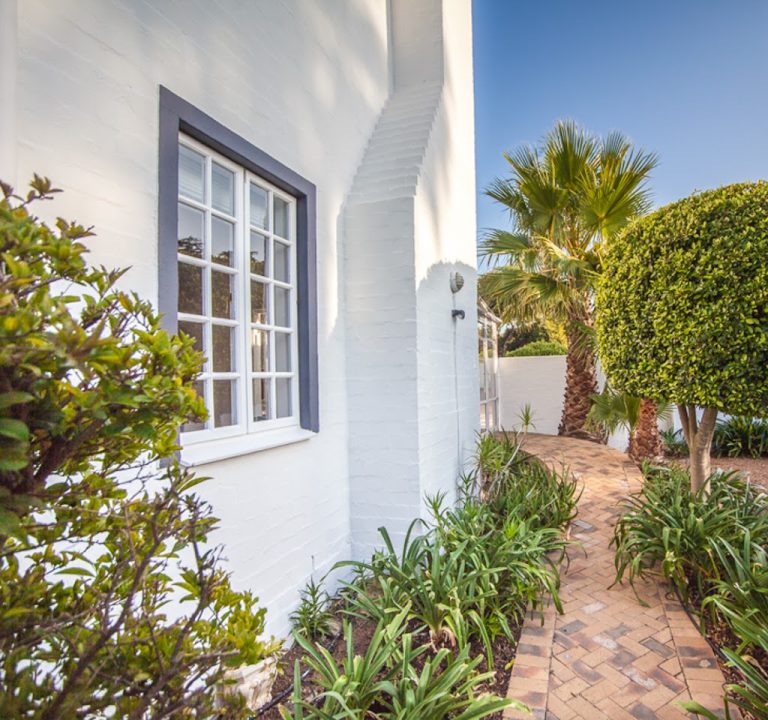
One charming option to consider is Protea Guest House, a lodging property that exemplifies thoughtful hospitality in a convenient location. Its website provides details on room configurations, amenities, and how to arrange stays that fit individual itineraries. For those exploring online, visiting the property's site can offer practical information about availability and the kinds of experiences they aim to provide during a visit to Cape Town.
- Tips for booking: compare neighbourhoods, read recent guest reviews for specifics on comfort and service, and check cancellation policies that suit your plans.
- What to pack: layers for changing coastal weather, comfortable walking shoes, a adaptor for local sockets, and a small daypack for excursions.
- Practicalities: confirm travel times to airports or ferry terminals, understand safe transport options after dark, and budget for a mix of paid tours and self‑guided days.
In sum, Cape Town rewards guests who plan with flexibility and curiosity. By choosing the right area, understanding transport options, and balancing iconic sights with relaxed time in a well‑appointed lodging, you can craft a memorable South African stay that blends natural beauty, cultural richness, and warm hospitality.