Cape Town: Accommodation and Experiences for a Memorable Stay
Cape Town, set between the Atlantic Ocean and the iconic Table Mountain, offers a wide range of places to stay that suit different travel styles. From intimate guest houses in leafy residential streets to boutique hotels along the Atlantic Seaboard, and self-catering apartments in bustling neighbourhoods, the key is to choose an option that places you within easy reach of the sights you plan to explore. Durbanville, a short drive from central Cape Town, makes a good base if you prefer a quieter, more residential vibe while being close to wine estates and easy access to the city and the coast.
When planning a stay, consider the area that best suits your pace and interests. The City Bowl and the central coastline feature convenient access to restaurants, museums, and markets, with a mix of guest houses and boutique hotels that tend to be compact and characterful. The Atlantic Seaboard stretches from Green Point up to Camps Bay, offering sea views, walkable promenades, and a lively dining scene, alongside higher-end lodges and stylish boutique stays. Constantia and the southern suburbs provide a more relaxed, green backdrop with easy access to wine farms and hill views, ideal for travellers seeking countryside vibes without sacrificing city access.
What to look for when booking a stay in Cape Town is practical and often economical planning. Start with location: proximity to a desired area, and whether you’ll be relying on public transport or car hire. If you plan day trips to the Cape Peninsula, the Cape Winelands, or reaching the southern beaches, a centrally located base with easy road connections can save time. Check for on-site parking if you’re renting a vehicle, and enquire about access to public transport, such as local buses or convenient routes to major hubs like the V&A Waterfront or central railway stations. Look for clear information about privacy, security, and a comfortable bed, as well as reliable wifi for planning days on the go.
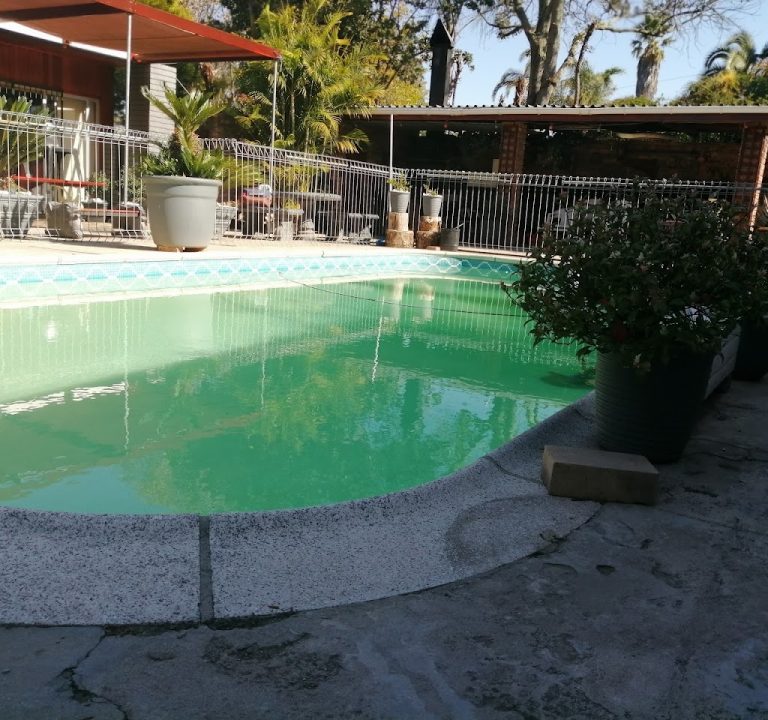
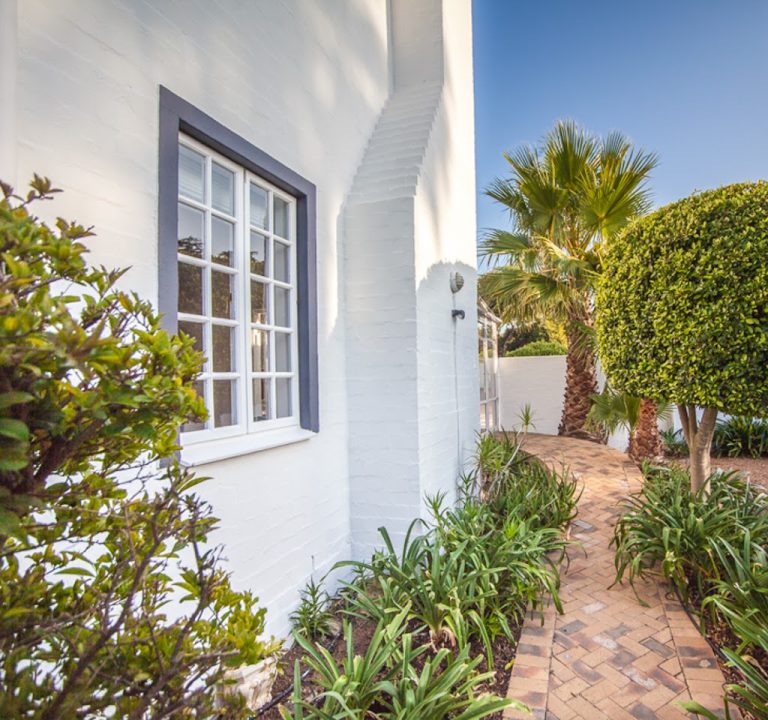
Typical amenities to expect in well-organised Cape Town properties include en-suite bathrooms, daily housekeeping or a tidy schedule, dedicated guest lounge or patio spaces, and sometimes a small kitchen or self-catering facilities. A hot breakfast is common in guest houses and some boutique hotels, though you may also find self-catering apartments with kitchen facilities. Reception staff or hosts can be a great resource for local tips, restaurant recommendations, and help with bookings for tours or activities. If you value a pool, sea views, or a garden setting, filter your search accordingly and read recent guest reviews to gauge upkeep and quiet hours.
Transport in Cape Town is straightforward but varies by neighbourhood. In the city centre and along the coast, you’ll find rideshare options, taxis, and some bus services, while renting a car offers maximum flexibility for island-like trips to the Cape Peninsula, the Constantia valley, or the stretches of the Atlantic coast. If you prefer not to drive, choose a stay with proximity to reliable public transport or within walkable reach of cafés, markets, and the waterfront. In peak travel seasons, plan ahead for busy routes and secure tickets for popular attractions or tours in advance.
Seasonality is an important consideration. The best time to visit Cape Town for many travellers is during spring (August to October) and autumn (February to April), when the weather tends to be mild and the city feels vibrant but not overwhelmed by crowds. Winter (June to August) is cooler and wetter, which can be ideal for those seeking quieter streets and dramatic coastal scenery, while summer (December to February) is typically lively with long days and plenty of outdoor events. Pack layers for fluctuations, a light rain jacket for the shoulder seasons, and a swimsuit if your accommodation has a pool or deck space.
Practical tips to help you plan your stay:
- Book with flexibility where possible, especially if you are aligning your stay with specific experiences or tours.
- Consider a mix of accommodation types across your trip—perhaps a guest house in a central area for city access, and a lodge or apartment in a more relaxed neighbourhood for downtime.
- Ask hosts or reception about must-see viewpoints, local dining spots, and safe walking routes at night.
- Read recent guest reviews to gauge cleanliness, responsiveness, and how well the property handles peak-season demand.
- Plan day trips with time to enjoy a sunset, which Cape Town handles particularly well from many coastal vantage points.
Beyond accommodation, a range of experiences awaits. You can explore natural landscapes, from rugged coastal paths to sheltered harbour walks, and sample a broad spectrum of dining options that reflect Cape Town’s cosmopolitan character. While not naming specific venues, the city offers a mix of casual eateries, market stalls, and refined restaurants where you can savour fresh seafood, farm-to-table dishes, and multicultural flavours. For those seeking a leisurely day out, a harbour-front stroll or a scenic drive to nearby wine estates can be a rewarding addition to your itinerary.
For more information on planning a stay and discovering highlights, consider visiting official tourism resources and local visitor guides. They offer practical tips on routes, weather, and current happenings to help you tailor a stay to your interests. If you are considering a base in a neighbourhood such as Durbanville or another nearby suburb, you’ll find a range of accommodation styles that blend comfort with convenient access to the city’s beaches, mountains, and cultural landmarks.
Website resources that provide broad overviews and planning tips include destination pages and official tourism sites that cover transport options, recommended routes, and seasonal events. Cape Town Tourism can be a helpful starting point for mapping out your stay and understanding which areas best align with your travel style, whether you seek ocean views, quiet suburban pace, or easy access to the city’s cultural hubs.