Accommodation in Cape Town: where to stay and how to plan your visit
Cape Town offers a rich tapestry of places to stay, from intimate guest houses and boutique B&Bs to stylish hotels along the Atlantic Seaboard. Whether you want to wake up to ocean views, be close to iconic mountains, or enjoy a buzzy urban neighbourhood, there are choices to suit most budgets and travel styles. The area you choose will shape your daily plans, so it’s worth weighing what matters most—space, proximity to sights, and the kind of neighbourhood atmosphere you favour.
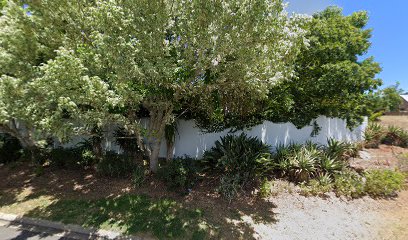
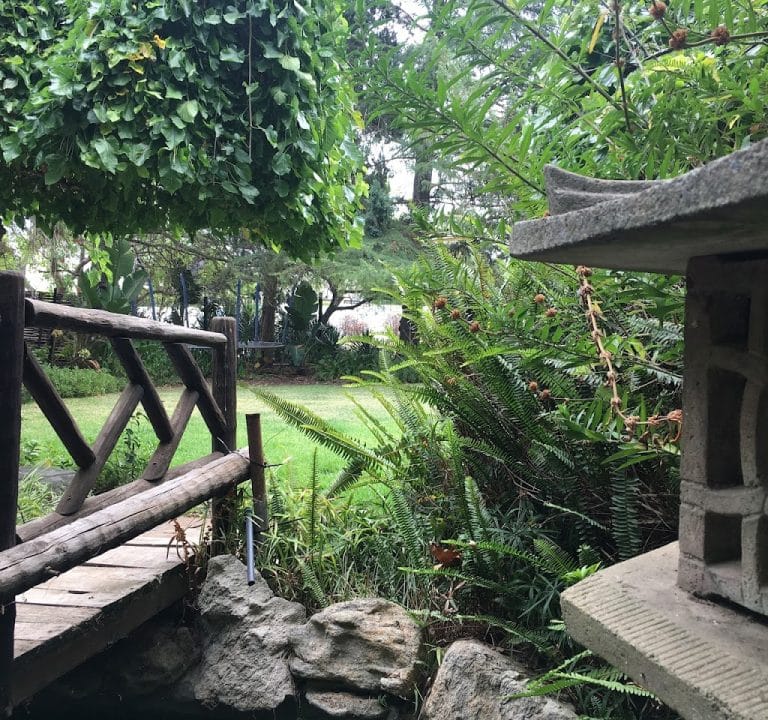
For a compact, welcoming stay, consider guest houses in quieter suburbs or residential pockets such as the northern suburbs or the Southern Suburbs. These can offer a more relaxed pace, private terraces, and personalised hospitality. Vierlanden Garden Cottage, for example, illustrates the appeal of a stay in a guest house: a homely atmosphere, a garden setting, and a more intimate guest experience, paired with convenient access to road routes that connect with the heart of the city and surrounding wine routes. When booking a guest house, look for clear information on breakfast options, on-site parking, self-catering facilities, and whether hosts offer local tips or customised day trips.
In the central city and the Green Point–V&A Waterfront corridor, you’ll find stylish boutique hotels and contemporary B&Bs that place you within easy reach of many sights, restaurants, and markets. If you prefer a beachy scene with dramatic sunsets, the Atlantic Seaboard towns—Blouberg, Sea Point, Clifton, and Camps Bay—offer properties with sea views, direct access to promenades, and a lively nightlife and dining scene. For a wine-and-nature mix, Constantia and the nearby Winelands provide guest houses and boutique hotels set among vineyards, with easy drives to Table Mountain and Kirstenbosch Gardens.
When planning, consider how you’ll get around. Cape Town’s MyCiTi bus network serves many popular routes, but staying near a MyCiTi stop, a metro line, or in a neighbourhood with reliable Uber or taxi options can save time. If you’re exploring outside the city centre, a car is often the most convenient way to reach the Cape Peninsula’s vantage points, Constantia’s hillside estates, or cape towns’ day trips to nearby towns. Some guest houses offer private transfers or suggested day trips, which can be a thoughtful addition to your stay.
Typical amenities to look for include high-speed Wi‑Fi, secure parking, breakfast service, flexible check-in/out, and clear policies on housekeeping and water or energy use. In many Cape Town properties, you’ll find outdoor spaces, pools, and patios that invite restful evenings after a day on the hill or by the sea. For those who value work-life balance while travelling, a comfortable work area and reliable connectivity can be a priority. If the property advertises sustainability practices, note how they manage water use, recycling, and energy efficiency, as these issues are important in the Western Cape context.
Booking considerations also include how to manage peak periods. Cape Town experiences busy seasons around December–January and during long weekends and school holidays. Mid-season stays can offer better value and a calmer atmosphere, while still granting access to popular sites with shorter queues. When you review listings, read guest reviews for practical tips—parking restrictions, quiet hours, noise from nearby nightlife, and how staff handle late arrivals. If you have special needs, such as mobility considerations or dietary requirements, filter listings accordingly and confirm accessibility details with the host before booking.
Practical planning tips before you arrive:
- Check sunrise and sunset times to make the most of outdoor activities atop Table Mountain or along the coastline.
- Pack layers: Cape Town’s weather can be changeable, especially in coastal and elevated areas where it can be breezy.
- Bring a universal adaptor for South Africa and check what electrical outlets are used at your accommodation.
- Confirm parking arrangements if you’re renting a car, and ask about security in the area.
- Plan restaurant reservations and market visits in advance, particularly in peak seasons, to avoid disappointment.
Attractions and experiences often feature prominently in planning. Classic highlights include the iconic mountain backdrop, a cable-car ride to the top for sweeping views, and the historic harbour precinct with waterfront walks and markets. Natural attractions such as the Cape Peninsula drive, Boulders Beach penguin colony (seasonally accessible), and Kirstenbosch National Botanical Garden offer memorable days out. In addition to scenery, many visitors enjoy exploring vibrant neighbourhoods with street life, markets, and casual eateries that showcase Cape flavours—seafood fresh from the Atlantic, bistro-style meals, and diverse international cuisines. In terms of dining, you’ll find everything from casual cafés to refined fine dining; look for places that source local ingredients and offer seasonal menus, and consider booking ahead during peak periods.
When selecting a stay in Cape Town, balance location with your planned activities. A well-sited base in a friendly neighbourhood can cut travel time and let you immerse yourself in local life—whether that means a morning walk along a seaside promenade, an afternoon in a museum or botanical garden, or a sunset drive along the coast. With thoughtful preparation, your accommodation can become the anchor for a memorable Western Cape trip, helping you discover the city’s natural beauty, culinary diversity, and warm, hospitality-driven culture.