Durbanville and the Cape Town Area: Accommodation, Attractions and Practical Planning
Choosing where to stay in the Cape Town region can shape your entire visit. From the urban buzz of the City Bowl and the foamy beaches of the Atlantic Seaboard to the tranquil wine estates of Constantia and Durbanville, there are lodging options to suit every style and budget. When planning a stay, think about what you want to experience most: sea views, access to nature, easy dining, or a quiet base from which to explore the Cape Winelands. Durbanville, in particular, offers a serene escape within easy reach of central Cape Town and its surrounding attractions, making it a popular choice for visitors who value a relaxed pace combined with quick access to city highlights and day trips.
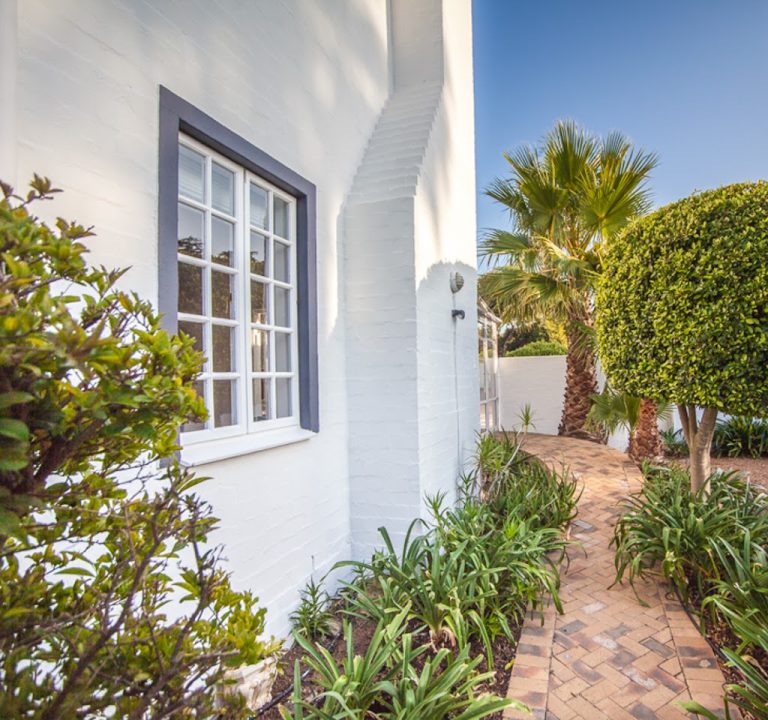
Accommodation in Cape Town ranges from stylish guesthouses and boutique hotels to family-run lodges and self‑catering apartments. In Durbanville and surrounding suburbs, you’ll find apertures for great value, often with spacious rooms, private entrances, and continental breakfasts that showcase local produce. When evaluating options, pay attention to the following amenities and features:
- Wi‑Fi and workspaces for those who combine travel with remote duties
- On-site parking or easy access to convenient transport
- Break-fast options and kitchens or self-catering facilities
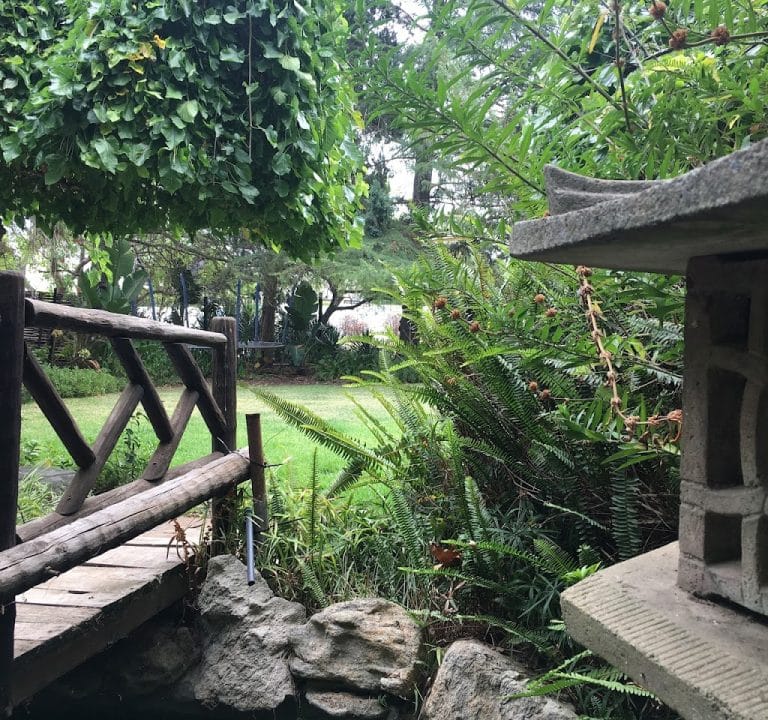
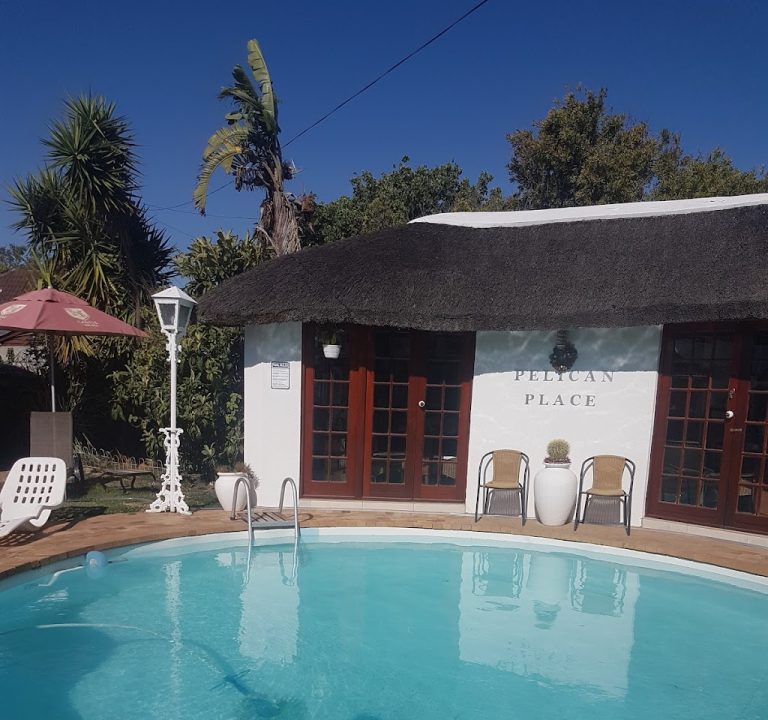
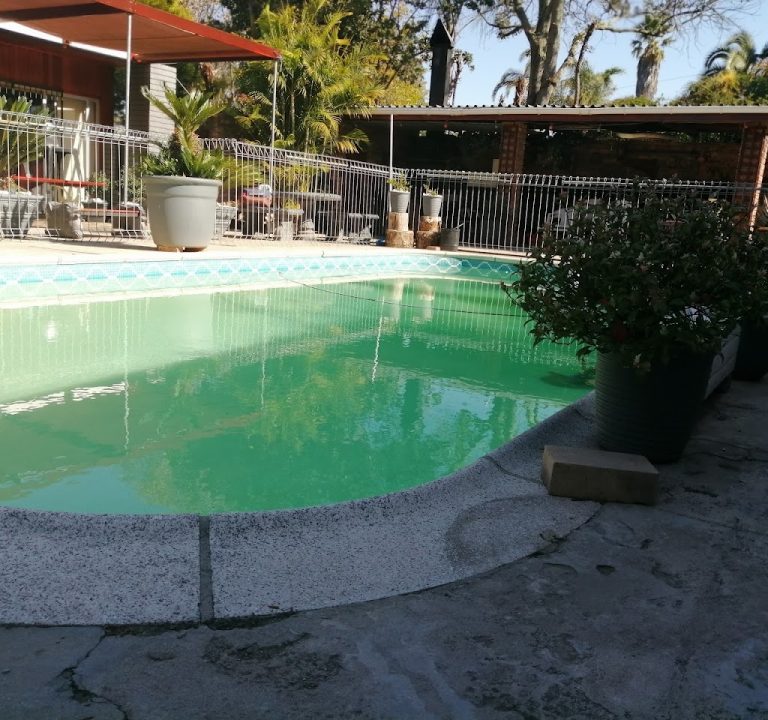
- Outdoor spaces, such as courtyards, pools, or garden seating
- Accessibility and ease of movement to major routes or public transport
- Cancellation policies and flexible booking terms
In Durbanville and nearby areas, lodging tends to emphasise a calm, residential atmosphere with leafy streets, vineyard views, and proximity to local eateries. If you prefer a more urban base, the City Bowl or V&A Waterfront areas provide proximity to markets, museums, and waterfront dining, while the Atlantic Seaboard offers dramatic coastline and beach access. For wine enthusiasts, Constantia and the surrounding valley offer serene estates within a short drive of Cape Town’s centre, often with the chance to pair a night away with a cellar‑door experience the next day.
Practical planning tips help you get the most from your stay. First, map out your must‑see areas and group them to reduce daily travel time. Cape Town traffic and peak times can influence how long trips take, so consider lodging that reduces back-and-forth travel. If you intend to explore the beaches, harbours, or nature reserves, a base with easy car access or reliable transport is invaluable. Public transport, such as the MyCiTi network, can be convenient in central areas, but a car offers greater freedom for day trips to the Cape Winelands, Cape Point, or coastal viewpoints.
Best time to visit Cape Town depends on what you’d like to do. The warm, dry summer months are ideal for beaches, harbour walks, and outdoor dining. Spring and autumn bring mild weather with fewer crowds, making it pleasant for sightseeing and wine tours. Winter is cooler and sometimes rainy, yet it reveals striking coastal scenery and lush gardens, with fares often more favourable and attractions still very much open. If you plan a winery day, note that many estates operate year‑round, while some offer seasonal tasting experiences or cellar tours that can be booked in advance.
When selecting a stay in Durbanville or the broader Cape Town region, consider how you’ll balance convenience with ambience. A boutique guesthouse with personalised hospitality can feel like a home from home, while a self‑catering option offers flexibility for families or longer stays. Look for hosts who provide practical information about local transport, parking, and nearby dining options, as well as tips on lesser‑known sights that may not appear in guidebooks.
Attractions and dining options in the region generally present a mix of natural beauty, cuisine, and culture without requiring extravagant plans. Expect scenic viewpoints along coastal routes, short walks into nature reserves, and moments of local flavour at markets or casual eateries. In addition to vineyard visits and scenic drives, you can complement your itinerary with galleries, historic streets, and waterfront strolls that showcase Cape Town’s unique character. When it comes to meals, many lodging providers partner with nearby eateries or offer curated recommendations, from casual bistros to more refined venues, all within a short ride or a pleasant stroll.
If you’re planning a multi‑centre stay around the Cape Town area, a suggested approach is to book a calm base in Durbanville for a portion of the trip, then allocate time for a city centre stay to explore museums, markets, and harbour activities. This combination allows you to unwind in a quieter setting while still enjoying the dynamic energy of Cape Town’s highlights. For more information and inspiration, browse reliable travel resources and the lodging sites of the area, as well as estate and restaurant guides that focus on practical visitor tips rather than aspirational claims.