Where to Stay in Cape Town: Accommodation and Activities for a Memorable Visit
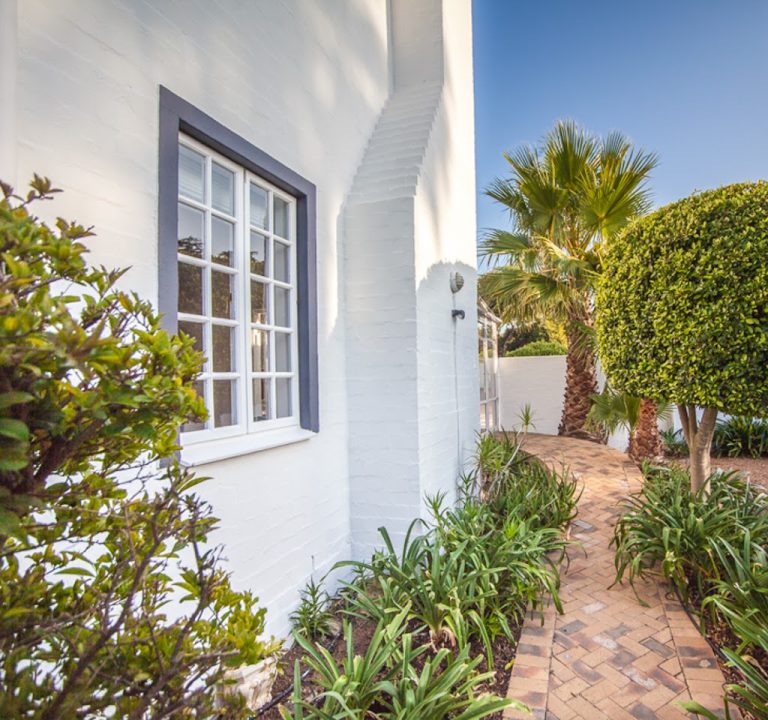
Cape Town blends dramatic scenery with a vibrant urban scene, making it an ideal destination for a multi-faceted stay. When planning your visit, consider the mix of neighbourhoods, transport links and practicalities that will shape your daily rhythm, from sunrise harbour views to sunset dinners. A guest house such as Cosimi Guest House offers a comfortable base with personal touches, typically located in convenient areas and providing easy access to key sights and dining options.
Areas to consider for your accommodation include the city bowl and foothills, where proximity to Table Mountain, the V&A Waterfront and central cafés is a major plus. The Atlantic seaboard regions, such as Camps Bay and Clifton, cater to beach lovers and offer stunning coastal walks and sunsets. Green Point and de Waterkant (the neighbourhood around the harbour) are great for pedestrians and access to parks, markets, and public transport. If you prefer a leafy, wine-inspired escape, Constantia and nearby areas provide tranquillity and easy trips to winelands. Each district has its own character and pace, so choose based on how you want to spend your days—city strolls, beach time, or wine-tasting expeditions.
What to look for when booking goes beyond a pretty façade. Consider safety and privacy, the convenience of parking or access to public transport, and the availability of features that will make your stay effortless. A reliable Wi‑Fi connection is essential for remote work or streaming trip planning. A good breakfast can save time in busy mornings, while off-street parking is a practical perk in busy areas. En-suite bathrooms, air conditioning or adequate heating, and secure access are worth confirming, especially if you are visiting in peak season when streets can be busier.
Typical amenities you might expect include en-suite rooms, tea- and coffee-making facilities, free Wi‑Fi, a guest lounge, and garden or terrace spaces. Some guest houses in Cape Town also offer communal kitchens or dining areas, which can be convenient for travellers on longer stays or those following specific dietary plans. Hosts or managers often provide local tips, maps, and personalised recommendations for routes up Table Mountain, city hikes, or coastal drives.
Transport around Cape Town is straightforward but planning ahead helps. The MyCiTi bus network serves many popular routes, while Uber and taxi services are widely available. If you are planning day trips to the Cape Winelands or the Cape Peninsula, you may wish to hire a car or join organised tours. Walking and cycling are enjoyable in compact parts of the city, especially near the harbour and the Green Point precinct, but distances to beaches can be longer, so weigh your plan against travel time.
The best time to visit Cape Town depends on your priorities. Summer (December to February) offers warm weather and lively street life, ideal for beach days and outdoor dining. Spring (September to November) and autumn (March to May) bring mild temperatures, fewer crowds and vibrant landscapes, while winter (June to August) remains cooler with occasional rainy spells but can be quieter and more affordable. Consider shoulder seasons for a balanced mix of pleasant weather and lower accommodation costs.
Practical tips to help you plan a smoother stay:
- Book a central base if you want to maximise time in the city and access to attractions on foot or by short rides.
- Confirm breakfast options, parking arrangements and access to a 24-hour reception or on-site host for flexibility.
- Check cancellation policies, especially in peak seasons when plans can change quickly.
- Pack layers for changing coastal weather and a light rain jacket for sudden showers, even in warmer months.
- Plan a balanced itinerary that includes natural scenery, cultural experiences and culinary stops.
When it comes to activities, Cape Town offers a broad spectrum. You might combine a cable-car or vantage-point visit to iconic viewpoints with scenic coastal walks, a day of exploring historic neighbourhoods, or a relaxed afternoon in markets and boutique eateries. Dining ranges from casual coastal cafés to refined restaurants offering new takes on South African flavours. For guests staying at Cosimi Guest House, the location typically provides easy access to both neighbourhood gems and broader regional explorations, with a website such as Cosimi Guest House serving as a resource for booking and local insights.
Other visitor-friendly experiences to consider include guided walks through historic districts, wine-tasting excursions in nearby estates, and scenic drives along the coastline to nature reserves. While details will vary, these activities emphasise enjoying Cape Town’s natural beauty, diverse cuisine and cultural heritage in a relaxed, sustainable way.
In short, a well-planned stay in Cape Town combines thoughtful accommodation selection with a flexible, varied itinerary. Choose a neighbourhood that aligns with your pace and interests, look for practical comforts in your booking, and balance outdoor adventures with opportunities to sample the city’s food scene and local hospitality. With the right base and a little preparation, you’ll be well-placed to experience the best of what Cape Town has to offer. Website links, where applicable, provide a useful starting point for more information and bookings.