Exploring Cape Town: Where to stay and what to do in the Western Cape
Cape Town is a city of contrasts, set between dramatic mountain scenery and sparkling shoreline. When planning a stay in this vibrant corner of the Western Cape, choose a neighbourhood that suits your rhythm—whether you want the buzz of a central hub, quiet seaside views, or easy access to winelands and nature. For a memorable stay, consider a guest house or boutique hotel in neighbourhoods such as the City Bowl, the Atlantic Seaboard, or the Constantia Valley. Each area offers a distinct flavour, from historic charm to modern convenience, with easy reach to the city’s main attractions and dining options.
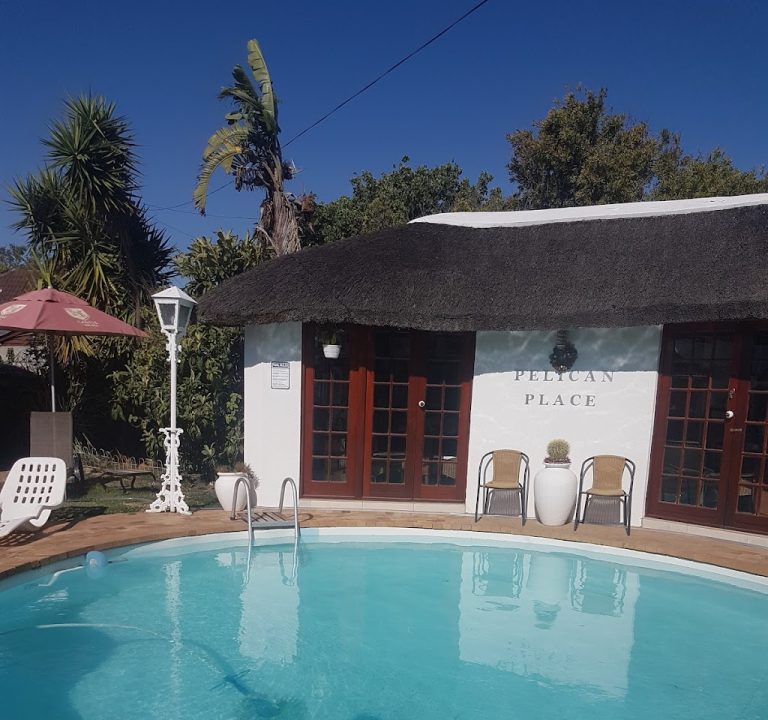
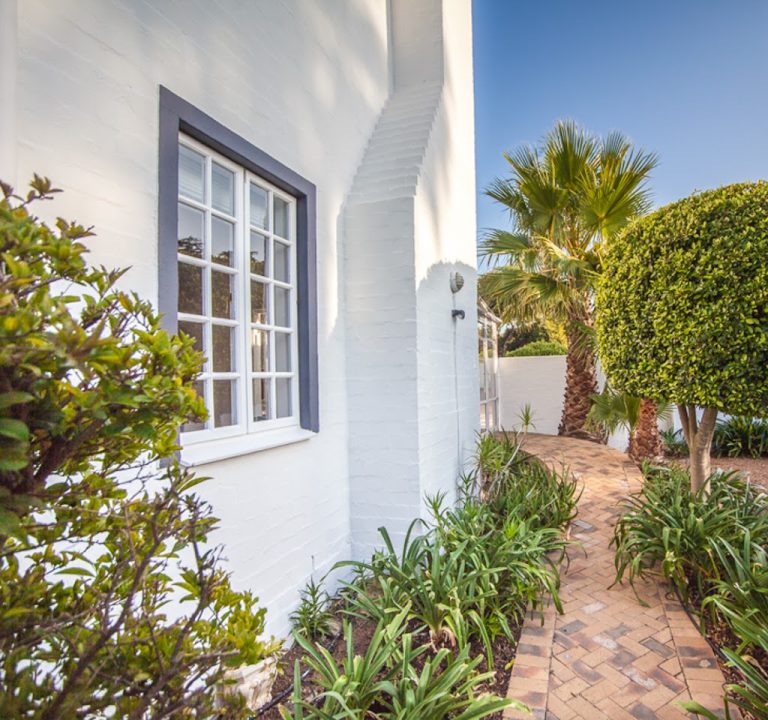
Accommodation choice matters as much as location. Look for properties that emphasise guest comfort and thoughtful extras, such as secure parking (where relevant), generous breakfast offerings, reliable wi‑fi, and clear information about local transport. For those seeking a homely base with character, a guest house with personalised service and a central courtyard or garden can be especially appealing. A good option to consider is Le Petit Chateau Guest House, which showcases the intimate, hospitality‑led vibe many visitors appreciate. Visit their site at Le Petit Chateau Guest House to explore its style and setting, and to compare with other stays in the city.
Transport is a practical consideration in Cape Town. The City Centre and the V&A Waterfront are well connected by on‑street services and rideshare options, while the Atlantic Seaboard offers scenic drives along the coast. If you plan day trips to the Cape Winelands or to the Cape Peninsula, it may be worth renting a car or booking a guided tour that departs from a central location. For shorter hops, reliable public transport like the MyCiTi bus network can be a budget‑friendly choice, albeit with routes more convenient for urban sightseeing than for remote coastal or winelands access.
Best time to visit Cape Town depends on your priorities. Summers (December to February) are warm and lively, with long days for beach activities and outdoor dining, but they are also peak tourist season. Spring (September to November) brings milder weather and blooming botanical scenes, particularly in Kirstenbosch and the surrounding areas. Autumn (March to May) offers comfortable temperatures for hiking up Table Mountain or along nature trails, while winter (June to August) brings cooler, wetter days and a different atmosphere that can be quieter and more affordable. Whichever season you choose, packing layers, a sunhat, good walking shoes, and a light waterproof layer is sensible for changing coastal conditions.
When selecting accommodation, here are practical considerations to guide your booking:
- Proximity to attractions: If you plan to hike Table Mountain or visit the V&A Waterfront frequently, staying in the City Bowl or near the waterfront can cut travel time.
- Room layout and privacy: Some guest houses offer suites with private entrances or balconies, which can be ideal for couples or small groups seeking more independence.
- On‑site amenities: A guest house that provides a generous breakfast, secure parking, and good guest information can simplify mornings and day trips.
- Accessibility and mobility: If stairs or uneven surfaces are a concern, check for ground‑floor rooms or lifts where available, and clarify accessibility details with the host.
- Sound levels: In lively districts, choose a property with soundproofing or a quieter back lane location if you are a light sleeper.
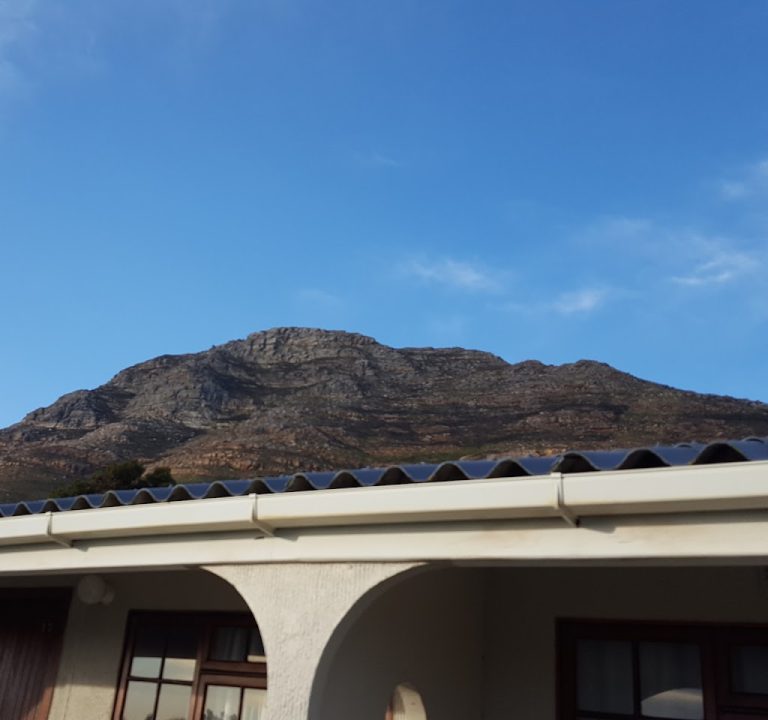
Across Cape Town, attractions span natural beauty, culture, and cuisine. Iconic views from Table Mountain offer a sense of the city’s scale, while the Cape Peninsula reveals dramatic coastlines and wildlife experiences. Robben Island stands as a powerful historic site accessible by ferry from the city, and the Kirstenbosch National Botanical Garden provides shaded paths and seasonal blooms. The V&A Waterfront is a hub for shopping and waterfront dining, adding a relaxed, scenic backdrop to an afternoon wander. Museums and galleries in the City Centre provide a cultural grounding to your stay, and day trips to the Constantia Valley or nearby wine routes reveal a different facet of the region’s appeal.
Dining in Cape Town runs the gamut from casual markets and beachfront bistros to more refined restaurants that celebrate South African flavours alongside global influences. You can expect menus featuring fresh seafood, bountiful braai experiences, and produce from nearby farms. In practice, many guest houses arrange breakfast options or private dining experiences, and most areas host a range of eateries within a short stroll or a brief taxi ride.
To make the most of your visit, consider planning a flexible itinerary that balances outdoor activities with downtime. A morning hike or cable‑car ascent to a mountaintop viewpoint can be followed by a relaxed afternoon at a café, followed by sunset at a beach or coastal promenade. Evening plans might include a stroll along the waterfront, a casual dinner in an urban neighbourhood, or a live music venue if you wish to sample Cape Town’s vibrant arts scene. With a well‑chosen base and thoughtful preparation, your Cape Town stay can be a balance of scenic beauty, culture, and memorable dining experiences.